83 Jean St, Grange QLD 4051
Mon-Fri 07:30 AM - 04:00 PM - Sat - 8:00 - 12 - Sunday Closed

Regular hot water maintenance is the best way to keep your system running safely, efficiently, and for its full lifespan. Forgetting about it is a surefire recipe for surprise cold showers, bigger energy bills, and expensive emergency call-outs. In fact, a simple annual check can prevent over 90% of common failures.
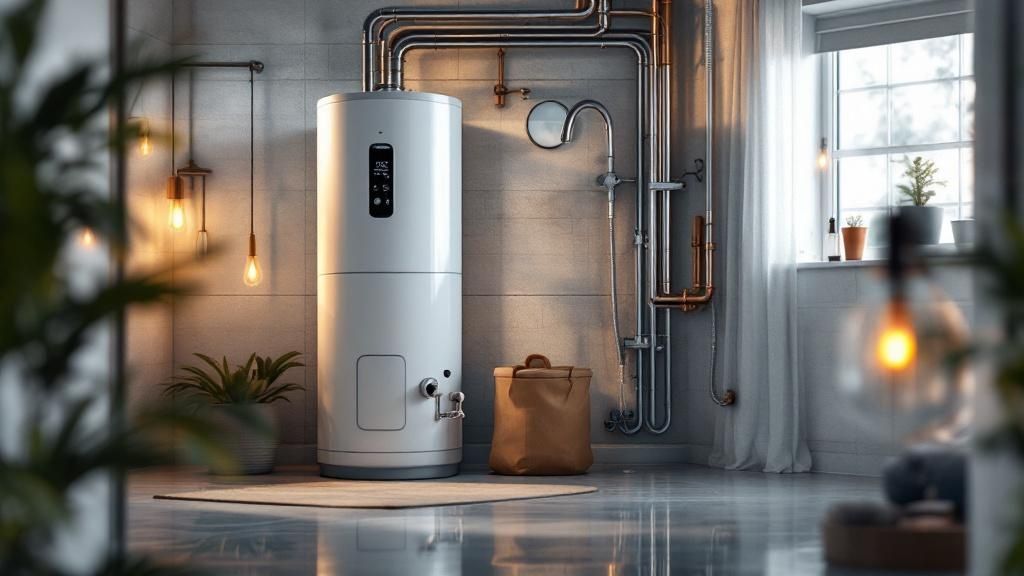
It’s easy to have an “out of sight, out of mind” attitude toward your hot water heater. Tucked away in a cupboard or garage, it works away quietly until, one day, it doesn’t. But this reactive approach can get surprisingly expensive, creating problems that go well beyond a single day without a warm shower.
When you skip routine upkeep, you’re not just risking a breakdown; you’re silently agreeing to higher monthly costs. Sediment and mineral scale build up at the bottom of the tank, forcing the heating element to work much harder to heat the same amount of water. This inefficiency is a slow financial drain, consuming more electricity every single day and adding up significantly over a year.
The financial hit is only one part of the story. Neglecting your hot water system can introduce genuine safety risks into your home. A faulty Temperature and Pressure Relief (TPR) valve, for example, can fail to release excess pressure—creating a seriously dangerous situation. On top of that, water heaters set at the wrong temperature can become a breeding ground for harmful bacteria like Legionella.
Regular maintenance isn’t just a chore; it’s a critical investment in your home’s health and your family’s safety. This guide is designed to give you the knowledge to perform simple, practical checks that will keep your system in top condition and help you avoid most common issues before they even start.
Regular upkeep shifts your role from reactive problem-solver to proactive homeowner. It’s the difference between paying for an emergency call-out on a weekend and spending 30 minutes on a Saturday morning ensuring everything is working as it should.
The impact of an inefficient system becomes a lot clearer when you look at the numbers. In Australia, water heating is a massive energy user, accounting for anywhere between 15% and 27% of a household’s total energy demand. This makes it one of the largest single contributors to your utility bills.
This quick-reference table outlines the essential tasks that keep a standard hot water system running smoothly. Sticking to a schedule like this is the best way to stay on top of potential issues.
| Maintenance Task | Recommended Frequency | Primary Benefit |
|---|---|---|
| TPR Valve Test | Every 6 months | Prevents dangerous pressure build-up and ensures the safety valve is operational. |
| Sacrificial Anode Check | Annually | Protects the tank from rust and corrosion, significantly extending its lifespan. |
| Tank Flush | Annually | Removes sediment build-up, improving heating efficiency and reducing energy costs. |
| Thermostat Check | Annually | Ensures water temperature is safe (not scalding) and not a breeding ground for bacteria. |
| Visual Leak Inspection | Every 3 months | Catches small drips and minor leaks before they turn into major water damage. |
Following these guidelines, alongside occasional professional check-ups, forms a complete maintenance strategy.
Beyond the regular checks you can do yourself, it’s also important to understand the value of professional interventions. Having an expert look over your system, much like the work covered by essential boiler services, can significantly reduce long-term costs. By staying ahead of problems, you protect your investment, lower your energy consumption, and ensure consistent, reliable hot water for years to come.
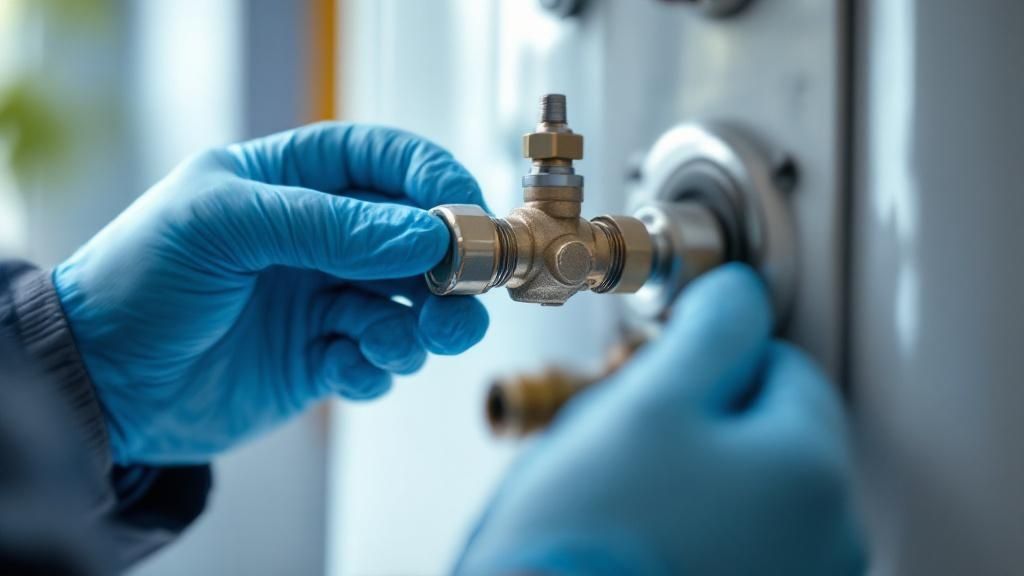
Before you lay a hand on your hot water system, let’s talk about safety. This isn’t just a box-ticking exercise; getting the prep work right is what separates a smooth bit of hot water maintenance from a costly, water-logged disaster. It’s a common misstep to dive straight in, but a few minutes of preparation saves a world of headaches.
The absolute first thing you must do is cut the power to the unit. Water and electricity are a lethal mix, and there are no shortcuts when it comes to your safety.
Make your way to your home’s switchboard and find the circuit breaker for your hot water system. It should be clearly labelled, often as “Hot Water” or “HWS”. Flick that switch to the “OFF” position.
Now, don’t just take the label’s word for it. You need to be 100% certain the power is dead. A non-contact voltage tester is a cheap, essential bit of kit for any homeowner. Simply hold it near the heater’s electrical connections. If you get no light and no beep, you’re good to go. This check takes mere seconds but gives you total confidence.
A golden rule every professional lives by is “trust but verify.” Never assume a circuit is off. Always test it yourself, especially in older homes where switchboards can be notoriously mislabelled.
With the electrical danger out of the way, the next job is to get the water under control. This will stop you from accidentally turning your laundry into a swimming pool.
Your next target is the cold water inlet valve. Look for a tap or a lever on the pipe that feeds into the bottom of the tank. Turn it clockwise until it stops—that’s it, firmly shut. This cuts off the water supply to the tank while you’re working.
To double-check your work, go to a tap inside—the kitchen sink is a good choice—and turn on the hot water. You should see the flow dwindle down to a trickle and then stop completely.
Okay, power’s off, water’s off. You’re nearly ready for the hands-on part. The last bit of prep is all about having your tools ready and the area prepped for the job. It’s a small detail that makes a massive difference.
Taking these steps means you can now focus on the task at hand without any nasty surprises or safety scares.
Ever noticed your power bill creeping up for no obvious reason? Or maybe weird rumbling sounds coming from your hot water cupboard? The culprit might be hiding right at the bottom of your hot water tank.
Over time, your water supply leaves behind a nasty collection of sediment, sand, and mineral deposits. This gunk settles into a thick layer at the bottom of the tank, acting like a blanket over the heating element. The element then has to fight through that sludge to heat your water, which means it runs longer, works harder, and chews through more electricity. It’s a classic cause of energy waste and a surefire way to shorten the element’s lifespan.
Thankfully, one of the best bits of hot water maintenance you can do yourself is a simple tank flush. It’s a straightforward job that clears out all that performance-robbing sediment, getting your system back to running efficiently and quietly.
First things first, you’ll need a standard garden hose. Hook one end up to the drain valve, which you’ll find near the bottom of the tank. Run the other end outside or to a floor drain—somewhere the water can safely flow away.
Once you’re all set, slowly open the drain valve.
Don’t be alarmed if the water comes out looking cloudy or discoloured. That’s a good thing! It means all that built-up sediment is on its way out. Just let it run until the water is flowing completely clear. Depending on how much gunk is in there, this could take anywhere from 10 to 30 minutes.
Pro Tip: Want to speed things up? Go turn on a hot water tap somewhere in the house, like the kitchen sink. This little trick breaks the vacuum inside the tank, letting air in and helping the water drain out much, much faster.
This process is one of the core tasks for keeping your system healthy, safe, and efficient for the long haul.
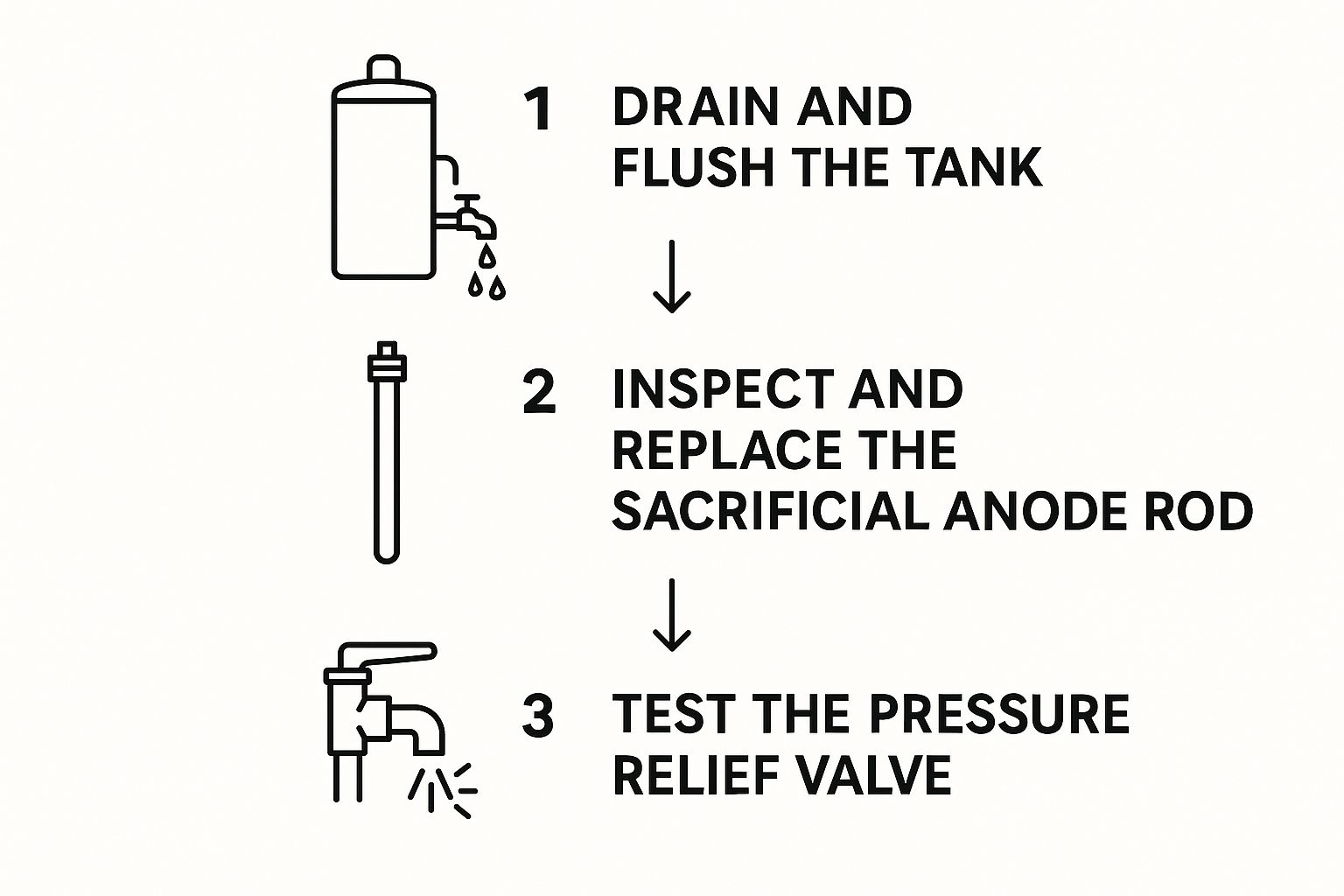
When combined with checking the anode rod and testing the pressure relief valve, a yearly flush forms a complete health check-up for your system, tackling efficiency, corrosion, and safety all at once.
Putting this job off can have some very real consequences. A tank with just a few centimetres of sediment can see its energy consumption jump by as much as 25%. That’s a hefty price to pay for a bit of sludge.
You might also hear those strange popping or rumbling noises. That’s the sound of water getting trapped under the sediment and literally boiling, which puts a huge amount of stress on the tank walls.
During the colder months, a well-maintained system is even more critical. For more on this, have a look at our guide on winter maintenance tips for electric hot water systems to get your unit ready for the higher demand.
Once the water is running completely clear from the hose, you’re ready to wrap up. Close the drain valve tightly, disconnect the hose, and don’t forget to turn off the hot water tap you opened earlier.
The final, crucial step is to refill the tank before you turn the power back on. Just open the cold water inlet valve and let it fill. You’ll know it’s full when you get a steady stream of water—with no sputtering air—from that same hot water tap.
It might seem like a small thing, but doing this once a year makes a massive difference. You’ll save money on your power bills and avoid the headache of a premature system failure. It’s a small investment of your time for a seriously big return.
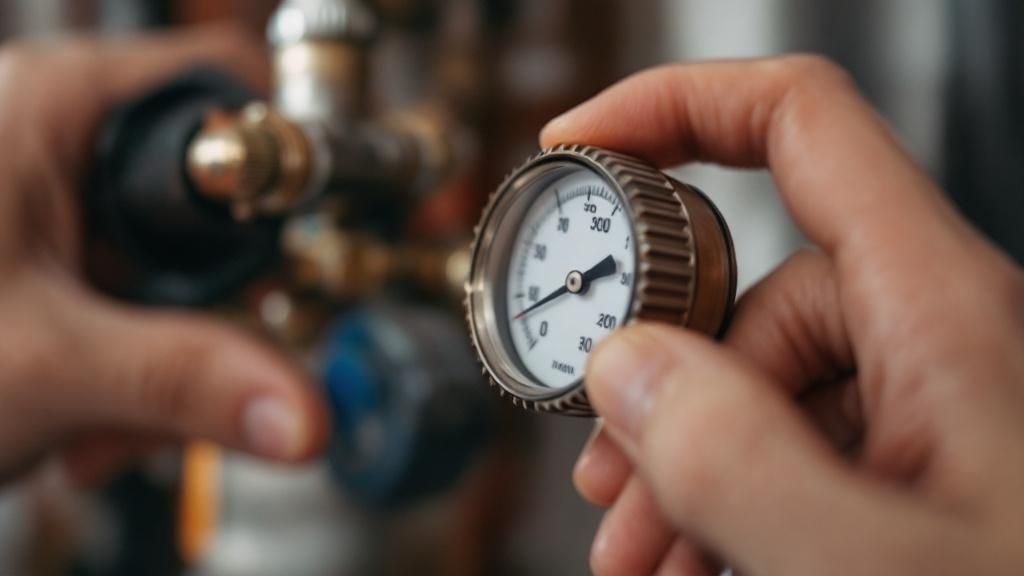
Flushing the tank is great for internal health, but a quick visual once-over of the external parts is your first line of defence against a sudden, messy failure. Trust me, catching a small problem early is a whole lot better than dealing with a flooded laundry room down the track. This part of your hot water maintenance is all about spotting trouble before it gets serious.
First up, let’s look at the Temperature and Pressure Relief (TPR) valve. This is a critical safety feature, and it’s non-negotiable. Its job is to automatically vent pressure if it gets dangerously high inside the tank, preventing a potential explosion. You’ll usually spot it by the small metal lever on top.
Testing it is straightforward. Pop a bucket under the discharge pipe to catch the water, then lift the lever for a few seconds. You should hear a gurgling sound as hot water flows out. When you let go, the lever should snap shut and, most importantly, stop the flow completely. If it keeps dripping, the valve needs replacing.
Tucked away inside your tank is an unsung hero: the sacrificial anode rod. This long metal rod is made of a more reactive metal than the steel tank, so it deliberately corrodes first. It essentially “sacrifices” itself to stop rust from eating through your tank’s lining.
You can’t see the rod without pulling it out (a job often best left to a professional), but you can look for clues. If you notice rusty water coming from your taps or see heavy corrosion around the rod’s hex head on top of the tank, it’s a dead giveaway that it’s nearly gone and needs replacing. Ignoring it is one of the fastest ways to kill a perfectly good hot water system.
Think of the anode rod like the crumple zone on a car—it’s built to take the damage first. Once it’s gone, the tank itself starts to rust, and that’s a problem you can’t reverse.
Your final check is a careful walk-around. Grab a torch and methodically inspect every pipe fitting where water enters and leaves the tank. You’re looking for any tell-tale signs of moisture, active drips, or that crusty, white build-up that signals a slow leak has been happening for a while.
Pay special attention to the base of the tank. Even a tiny, persistent drip can cause serious water damage to your flooring and the surrounding structure. Catching these subtle signs is what preventative maintenance is all about. If you do find yourself needing to replace sections of pipe, using proper tools like copper tubing cutters will give you a much cleaner, more reliable result, especially on older pipework.
This focus on smarter maintenance is part of a bigger picture. The Australian water heater market is growing, hitting around USD 612 million in 2024. A lot of that growth comes from a national shift towards more energy-efficient technologies, showing that Aussie homeowners are getting serious about smarter energy use.
By giving these components a regular check, you’re not just ticking a box. You’re actively extending the life of your system and keeping your home safe.
Beyond the big jobs like flushing the tank, your ongoing hot water maintenance routine should include a few simple adjustments that can have a surprisingly big impact on your energy bills. Good upkeep isn’t just about stopping things from breaking; it’s about fine-tuning your system to run as efficiently as possible.
One of the easiest wins is right on the thermostat. A lot of systems are set way too high right out of the box, which means you’re constantly paying to overheat water you don’t need. For most Aussie homes, the sweet spot is around 60°C. This is hot enough to kill off nasty bacteria like Legionella but stops you from wasting power keeping water at scalding temperatures.
Another incredibly effective tweak is adding insulation to your tank and pipes. Your hot water system is always losing heat to the air around it—this is called standby heat loss. It forces the unit to kick on more often just to keep the water at the right temperature, even when you’re not using any.
You can cut this waste down dramatically by wrapping your storage tank in a purpose-built insulation blanket.
This simple, low-cost DIY job can slice standby heat loss by 25-45%. That’s a saving you’ll actually notice on your power bills and one of the best returns on investment you can make for your system.
Don’t just stop at the tank, though. The first couple of metres of hot water pipe coming off the unit are another major source of heat loss. Wrapping these pipes with cheap foam insulation sleeves is quick, easy, and reduces the energy wasted as water travels to your taps. For a deeper dive, our electricians have put together more practical energy efficiency tips for Brisbane homes that can help lower your bills across the board.
These small adjustments are part of a much larger conversation about household energy. In Australia, hot water systems chew up about a quarter of our home energy use and are responsible for roughly 20% of residential greenhouse gas emissions. Moving from older gas systems to modern, efficient electric ones is a key strategy for bringing these numbers down. You can find out more about why the future of hot water is electric and how it benefits households across the country. By simply optimising the system you already have, you’re taking a solid step towards a more sustainable and affordable home.
Even with the best instructions, it’s normal to have a few questions when you start getting hands-on with your hot water system. I’ve put together some of the most common queries we get from homeowners around Brisbane, with straightforward answers to help you out.
For most homes in Australia on town water, giving your tank a good flush once a year is spot on. This little bit of routine maintenance is usually all it takes to stop sediment from building up and causing trouble.
Now, if you’re in an area with hard water—where the mineral content is high—you’ll want to be more proactive. In that case, flushing it every six months is a much better plan. If you start hearing rumbling noises from the tank or notice the water pressure isn’t what it used to be, you’ve probably left it too long.
Yes, absolutely. A constantly dripping Temperature and Pressure Relief (TPR) valve is a major red flag, not a minor inconvenience. It’s a sign that something is wrong, and you need to get it looked at straight away.
Best-case scenario, the valve itself is faulty and needs replacing—a simple job for a professional. The more worrying possibility, though, is that it’s a symptom of excessive pressure building up inside your tank. That’s a serious safety hazard. You should never, ever try to plug or ignore a leaking TPR valve. It’s the last line of defence preventing a catastrophic tank failure.
Think of a dripping TPR valve as your system screaming for help. Listening to that warning and calling a professional is the only safe move. It’s a tiny part with a huge responsibility.
Look, while it’s technically possible for a very confident DIYer, I can tell you from experience that replacing the sacrificial anode rod is rarely straightforward. They are often torqued in incredibly tight at the factory and can take a specialised socket wrench and a massive amount of force to break loose.
Worse still, if you install the wrong size or type of anode rod, it will do absolutely nothing to protect your tank. Given its vital role in stopping corrosion from eating through the steel, this is one of those jobs we strongly recommend leaving to a licensed plumber. They’ll get it done right and ensure your tank stays protected.
Rusty or brown-coloured hot water is almost always the classic sign that the inside of your tank has started to corrode. This usually happens right after the sacrificial anode rod has been completely consumed, leaving the steel tank exposed to rust.
Unfortunately, once the tank itself starts rusting from the inside out, there’s no turning back. This is a clear signal that your hot water system is on its last legs and will need to be replaced soon to avoid a messy and damaging leak. An old, inefficient system can also be a hidden drain on your wallet. If you’re wondering about climbing costs, our guide explains some common reasons why your electricity bill is so high.
If you want to get ahead of these problems, following a proper water heater maintenance schedule is the key to getting a long, reliable life out of your system.
If you’re dealing with any of these issues or just want a professional to take care of your hot water maintenance, the team at DLG Electrical is here to help. Our licensed and insured electricians make sure the job is done right, keeping your system safe and running efficiently. For a free quote or some expert advice, visit us at https://dlgelectrical.com.au.

Master Electrician with over 30 years of experience. Founded DLG Electrical in 2005 after international project work including electrical installations at Stamford Bridge Stadium, London(Home of Chelsea FC).

Local Electricians that can fix all Electric Hot water Systems.
Motion sensor lights are a versatile addition to any home, offering nu
