83 Jean St, Grange QLD 4051
Mon-Fri 07:30 AM - 04:00 PM - Sat - 8:00 - 12 - Sunday Closed

You open the latest water bill, stare at the total, and think the same thing most Brisbane homeowners think. That can't be right. Nothing obvious is leaking. No burst pipe in the yard. No tap left running. But the bill says otherwise.
That's where hidden leaks catch people out. The leak itself is often small. The cost of ignoring it usually isn't. In Brisbane homes, especially older places around Grange, Windsor, and other inner north suburbs, a slow leak can move from “annoying plumbing issue” to damaged plaster, swollen timber, stained ceilings, mouldy cavities, and repair work that has nothing to do with the original pipe.
You get the water bill, and the number is well above normal. No tap is dripping. No toilet is obviously running. But inside the house, a cupboard smells damp, paint near the ensuite has started to lift, or the floor near the hot water system feels slightly warm underfoot.
That pattern deserves attention early. In Brisbane homes, a higher bill is often the first sign that water has been escaping for some time. By the time the leak becomes visible, the spend is usually no longer limited to wasted water. It can mean swollen skirtings, damaged plaster, mould in wall cavities, lifted flooring, and in older suburbs like Grange and Windsor, moisture getting into timber and framing that is already carrying age-related wear.
A concealed leak can run day and night behind a wall, under a slab, or along a hot water line. The meter keeps turning. The moisture keeps spreading. What starts as a plumbing fault can turn into a building repair job.
The warning signs often show up in small ways first:
Air conditioning can confuse the picture too. Homeowners sometimes assume all indoor water is plumbing-related, when a blocked drain or faulty unit may be part of the issue. It helps to know the difference between a hidden pipe leak and an air conditioner leaking water inside the house, because the repair path is different.
If the signs feel more serious, it also helps to review common signs of a burst pipe. A full pipe failure is not the only risk. Small pressure leaks can still cause expensive damage if they keep feeding moisture into the same area.
Water rarely stays where the pipe failed. It travels along framing, under floors, and into finishes that cost far more to replace than the original section of pipe.
Older Brisbane houses often have a mix of original pipework, later renovations, slab additions, roof changes, and walls that hide service lines well. I see leaks where the first visible damage appears metres away from the actual fault. That delay is what catches homeowners. The bill rises first, then the building starts to show it.
Professional leak detection is worth viewing as diagnosis, not just repair work. Finding the source early can prevent unnecessary wall removal, reduce drying and restoration costs, and stop a minor leak from becoming a ceiling, flooring, cabinetry, or structural problem. That is usually where the greatest financial impact is felt.
Visible water is the easy one. The harder jobs are the leaks you can hear, smell, or infer from small changes in the building.
In older Brisbane homes, especially during renovation, roof or ceiling cracking, peeling, or warping can indicate a water leak, which is why owners in areas like North Brisbane, Grange, and Windsor need to think beyond plumbing alone and consider roof, ceiling, or slab deterioration as well (Brisbane-area leakage detection guidance).
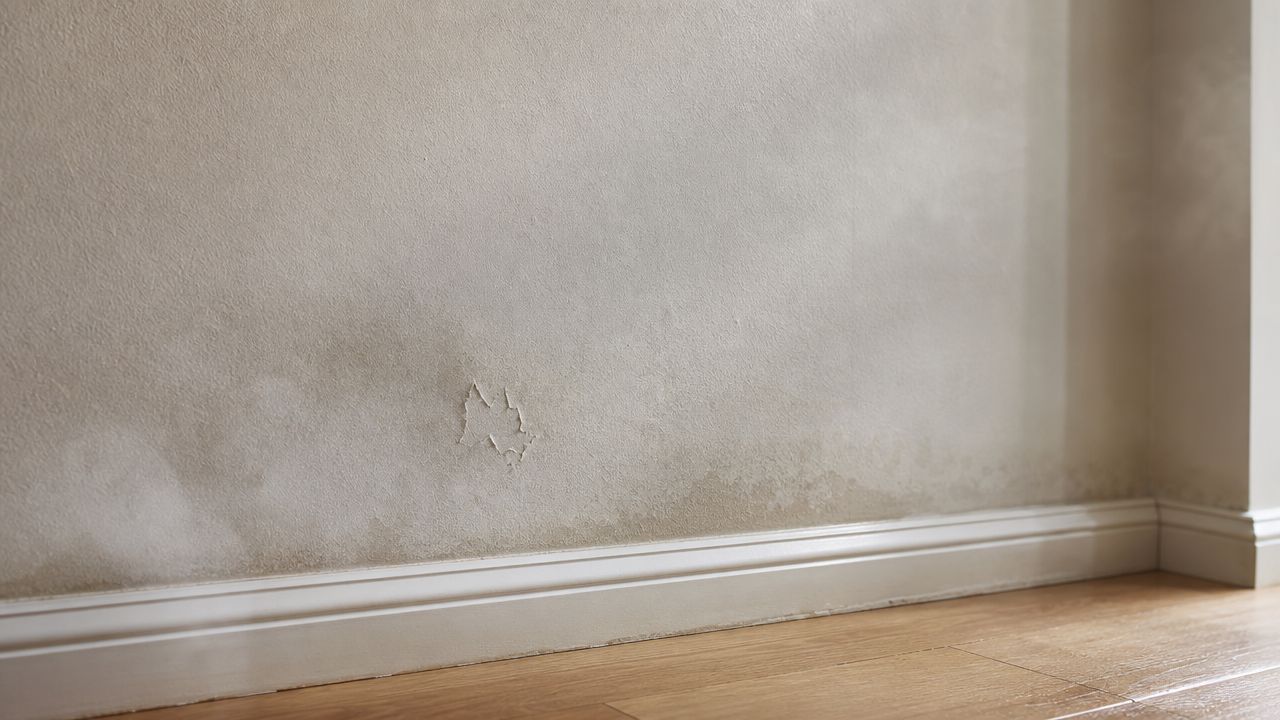
Use your senses before you reach for tools.
A lot of homeowners treat the mark on the wall as the issue. It usually isn't. It's the symptom. The underlying issue may be a failed pipe connection, a leaking hot water line, moisture entering from above, or water tracking through a cavity before it becomes visible.
If you're renovating an older property, don't assume every crack or stain is “just an old house settling”. In Grange and Windsor, I'd be more concerned about what water has been doing behind the surface than how bad the stain looks from the room.
Practical rule: If the finish is changing shape, not just colour, the leak may already be affecting the building material itself.
Sometimes the source isn't plumbing at all. Window failures can mimic pipe leaks by wetting plaster, trim, and internal linings during rain events. If you suspect that kind of building-envelope issue, a good homeowner's guide to window repair can help you separate a leaking window from a concealed pipe problem.
Air conditioning can confuse the picture too. Overflow, blocked drains, and condensation issues often show up as internal moisture marks, so it's worth comparing symptoms with common causes of aircon leaking water.
A leak does not need to be dramatic to get expensive. In Brisbane homes, especially older places with timber floors, plaster walls, and tight roof or wall cavities, a slow leak can damage linings, swell cabinetry, stain ceilings, and create electrical risk long before the source is obvious. The first job at home is to confirm whether water is still moving, then stop the situation getting worse.
A simple meter check is one of the safest ways to do that. As noted earlier, the standard approach is to turn off all water use, record the meter reading, wait an hour, and check it again. If the reading has changed, water is likely escaping somewhere on the property side.

Turn all water-using fixtures and appliances off
Shut taps fully. Leave the washing machine, dishwasher, irrigation, fridge water feed, and any automatic top-up systems off for the test period.
Find the meter and record it properly
Take a clear phone photo of the reading. That avoids mistakes later if the numbers are hard to read or the light is poor.
Leave the property water-still for one hour
No taps, no toilet flushing, no quick rinse at the sink. If anyone uses water during the test, start again.
Recheck the meter
A changed reading points to a leak or ongoing water loss somewhere after the meter. That does not tell you the exact location, but it does tell you the problem is worth acting on before the bill and repair scope grow.
Check the obvious points only
Look under sinks, around toilet cisterns, at garden taps, exposed pipe joints, and near the hot water unit. Look for active drips, rust marks, moisture, or mineral staining.
Stop at diagnosis if the risk rises
If water is entering a wall, ceiling, floor, or any area near power points, lights, or wiring, shut off the water main if safe and call the right trade. Do not start opening walls or lifting finishes to “have a look”.
Overnight is often the easiest time to run the meter test because the house is quiet and accidental water use is less likely. If the meter keeps moving when everything is off, treat it seriously even if you cannot see damage yet. Hidden leaks are costly because the water bill is only one part of it. The bigger expense is often the follow-on work. Replacing swollen skirtings, damaged plaster, lifted flooring, or wet insulation costs far more than finding the leak early.
If water is actively spreading, shut the water off at the main where safe to do so.
If the leak is near electrical fittings or the switchboard, treat it as a safety problem first. Keep clear of wet electrical areas and arrange professional help. Water and electricity in the same space can turn a small plumbing fault into a dangerous callout.
If you suspect the problem is on the hot water side, check these common hot water system troubleshooting signs before you book a tradesperson. It helps narrow down whether you are dealing with a pipe leak, a relief valve issue, or a failing unit.
A hidden leak should be diagnosed before anyone starts cutting plaster or lifting tiles. In Brisbane homes, especially older places in Grange and Windsor, the repair bill often grows because the first response is guesswork. By the time the source is confirmed, owners are paying for wall repairs, paintwork, swollen cabinetry, damaged flooring, and sometimes electrical make-safe work as well.
Professional leak detection is meant to avoid that. The goal is to identify the leak path, confirm the likely source, and limit access points to the smallest repair area possible. For homeowners, that usually means less mess, less reinstatement, and a better chance of fixing the actual problem the first time.
Thermal imaging, acoustic sensing, and tracer-gas testing are commonly used for hidden leaks in pressurised pipework because they reduce exploratory demolition while still helping narrow down the source (non-invasive leak detection methods used in Brisbane).
Each method answers a different question on site.
| Method | How It Works | Best For |
|---|---|---|
| Acoustic sensing | Detects the sound signature of pressurised water escaping from pipework | Underground lines, slab leaks, concealed pressure leaks |
| Thermal imaging | Reads surface temperature changes caused by moisture or hot water movement | Hot water leaks, wall and ceiling scanning, narrowing search areas |
| Tracer gas testing | Uses gas introduced into a pipe and detects where it escapes | Hard-to-confirm concealed leaks where acoustic results are unclear |
| CCTV or endoscope inspection | Provides direct visual inspection inside cavities or pipe sections | Drainage issues, internal pipe inspection, confirmation inside confined spaces |
No tool works on every leak.
Acoustic equipment is effective on active pressure leaks, but background noise, pipe depth, soil conditions, and pipe material can affect the reading. Thermal cameras do not see through walls. They show heat patterns on the surface, and those patterns still need to be interpreted properly. Tracer gas can be very accurate, but it takes setup time and a controlled test area. Cameras help where there is access, but they cannot inspect a sealed wall cavity without an entry point.
That is why experienced technicians do not rely on one device and call it done. They compare the building layout, likely pipe runs, pressure behaviour, visible moisture spread, and access limitations before choosing the least destructive method. In houses where water is tracking near lighting circuits or power points, diagnosis also needs to account for electrical risk. If that is part of the job, it helps to have a trusted Brisbane electrician for leak-related electrical safety issues involved early rather than after damage has spread.
Value lies in cost control. A small concealed leak can stay inexpensive if it is located early and opened up once, in the right spot. Leave it too long, or start demolishing in the wrong area, and the cost shifts from finding a leak to rebuilding part of the home. In older Brisbane properties, that can mean replacing brittle plaster, matching aged paint, repairing timber damage, and dealing with wet insulation or compromised wiring.
The benefit of professional detection is not the gadget itself. It is finding the repair point with the least property damage and avoiding a much larger restoration bill.
A leak job should feel organised from the first phone call. If it doesn't, people start making expensive decisions in a hurry. They cut walls too early, call the wrong trade first, or approve repairs before the source has been properly identified.

The first step is a clear conversation. What changed. Where the signs are showing. Whether the issue seems linked to a hot water system, appliance, ceiling cavity, wall, slab, or storm-related ingress. Good diagnosis starts before tools come out of the vehicle.
Then comes on-site triage. The property gets checked for immediate risk first. That includes water near electrical fittings, active ceiling saturation, and any sign that the leak is affecting safety as well as the building.
After that, the inspection should move in order:
Confirm the symptom pattern
Meter movement, visible damage, moisture spread, and likely pipe routes all need to line up.
Choose the least destructive detection method
If the issue can be narrowed down without opening finishes, that should happen first.
Explain the likely source and repair path
Homeowners need to know whether the problem looks like plumbing, hot water equipment, drainage, or a building-envelope issue.
Quote the next step before invasive work
The mistake is skipping straight to repair without confirming where the failure is.
DLG Electrical is one Brisbane option homeowners contact when the suspected leak may involve an electric hot water system, appliance supply, or water affecting electrical components. That overlap matters because leak jobs don't always arrive labelled correctly. Sometimes what looks like a plumbing leak is tied to hot water equipment, air conditioning, or moisture around electrical infrastructure.
If you're weighing up who to call first for a complex property issue, it helps to understand what to look for in a trusted Brisbane electrician. Licensing, insurance, and the ability to explain scope clearly matter more than sales talk.
A short visual overview helps show what a professional residential service setup should feel like in practice.
Expect plain language. Expect the technician to tell you what they know, what they suspect, and what still needs confirmation. Expect them to separate detection from repair, because those are not always the same visit.
You should also expect restraint. A careful tradesperson won't promise the answer before testing, and won't recommend tearing apart half the house just because moisture showed up in one room. The whole point of leak detection in Brisbane is to reduce guesswork and limit collateral damage.
The price depends on access, property type, and how hard the leak is to isolate. A leak under a lawn, inside a wall, or beneath an older slab in a Brisbane home takes a different level of testing than a visible drip under a sink. Detection is usually charged as diagnosis first. Repair is often a separate scope unless the cause is clear and the attending trade is licensed to fix it.
Homeowners often focus on the callout price. The bigger cost is getting it wrong. A cheap guess can turn into wall repairs, ceiling repairs, repeated callouts, and higher water bills while the actual leak keeps running.
Some jobs are resolved quickly. Others need staged testing to rule out pressure pipe leaks, roof ingress, shower leaks, window failures, or water travelling from another part of the house.
The goal is not speed for its own sake. The goal is a defensible diagnosis that gives you a repair point with the least possible damage to the property.
Usually, yes.
If the source is unclear, paying for diagnosis first is often the cheaper path overall. I have seen minor leaks in older areas like Grange and Windsor start with one damp patch, then lead to swollen skirting, damaged plaster, mould growth, and subfloor or framing issues because water kept moving unseen. By the time the repair finally starts, the plumbing fault is only part of the bill.
Good detection limits that blowout. It helps you repair the cause before you pay to restore finishes that may just get wet again.
Some leak jobs involve electric hot water systems, appliances, air conditioning, or water near wiring and fittings. Once moisture reaches powered equipment or electrical components, safety becomes part of the job.
That is not something to leave for trial and error. If water is near a switchboard, power point, lighting circuit, or hot water system, the site needs to be assessed properly before anyone starts opening up surfaces or touching equipment.
Yes. As noted earlier, leak detection now relies on targeted testing methods rather than guesswork and unnecessary demolition. In practice, that means better fault isolation, less damage to walls and floors, and a clearer handover to the trade doing the repair.
For homeowners, the benefit is simple. Professional detection is not just about finding water. It is a way to control the total cost of inaction before a small leak turns into a building problem.
If you've got an unexplained water bill, damp patches, ceiling damage, or a suspected hot water leak, contact DLG Electrical for practical advice on the next step. Early diagnosis can stop a small leak turning into a much bigger building problem.

Master Electrician with over 30 years of experience. Founded DLG Electrical in 2005 after international project work including electrical installations at Stamford Bridge Stadium, London(Home of Chelsea FC).

Local Electricians that can fix all Electric Hot water Systems.
Motion sensor lights are a versatile addition to any home, offering nu
