83 Jean St, Grange QLD 4051
Mon-Fri 07:30 AM - 04:00 PM - Sat - 8:00 - 12 - Sunday Closed

You switch off the bedside lamp, then reach for your phone torch because the ceiling light was too harsh to leave on. That is the bedroom lighting problem in plain terms. One fitting rarely covers winding down, reading, getting dressed, and moving around safely at night.
A good mood lighting bedroom setup uses layers and control. In practical terms, that usually means a softer main light, focused light where you read, and low-level lighting for late-night movement. For a broader framework on lighting for bedroom comfort and function, start with how the room is used before you compare brands.
For Brisbane homes, warm white is usually the sensible baseline. DLG Electrical commonly recommends 2700K to 3000K in bedrooms because it feels calmer, flatters finishes better than cool white, and works well with dimming if the hardware is compatible. Cooler lamps can suit wardrobes or task areas, but they often make the sleeping zone feel clinical.
The next decision is where DIY stops. Screw-in smart bulbs, plug-in lamps, and adhesive strip lighting are usually straightforward if the product is approved for Australian use and installed to the manufacturer’s instructions. Wall dimmers, switched circuit changes, hardwired LED drivers, and smart control gear tied into 240V wiring need a licensed electrician. That is where Brisbane homeowners often get caught out, especially with dimmer load limits, incompatible transformers, and two-way switching.
The goal is not to fill the room with gadgets. It is to choose the right mix of off-the-shelf smart lighting and properly installed electrical hardware, so the room works every night instead of becoming another half-finished app project. If you are also refining the sleep side of the room, the guide to the best AI smart bed in New Zealand may be useful alongside your lighting plan.
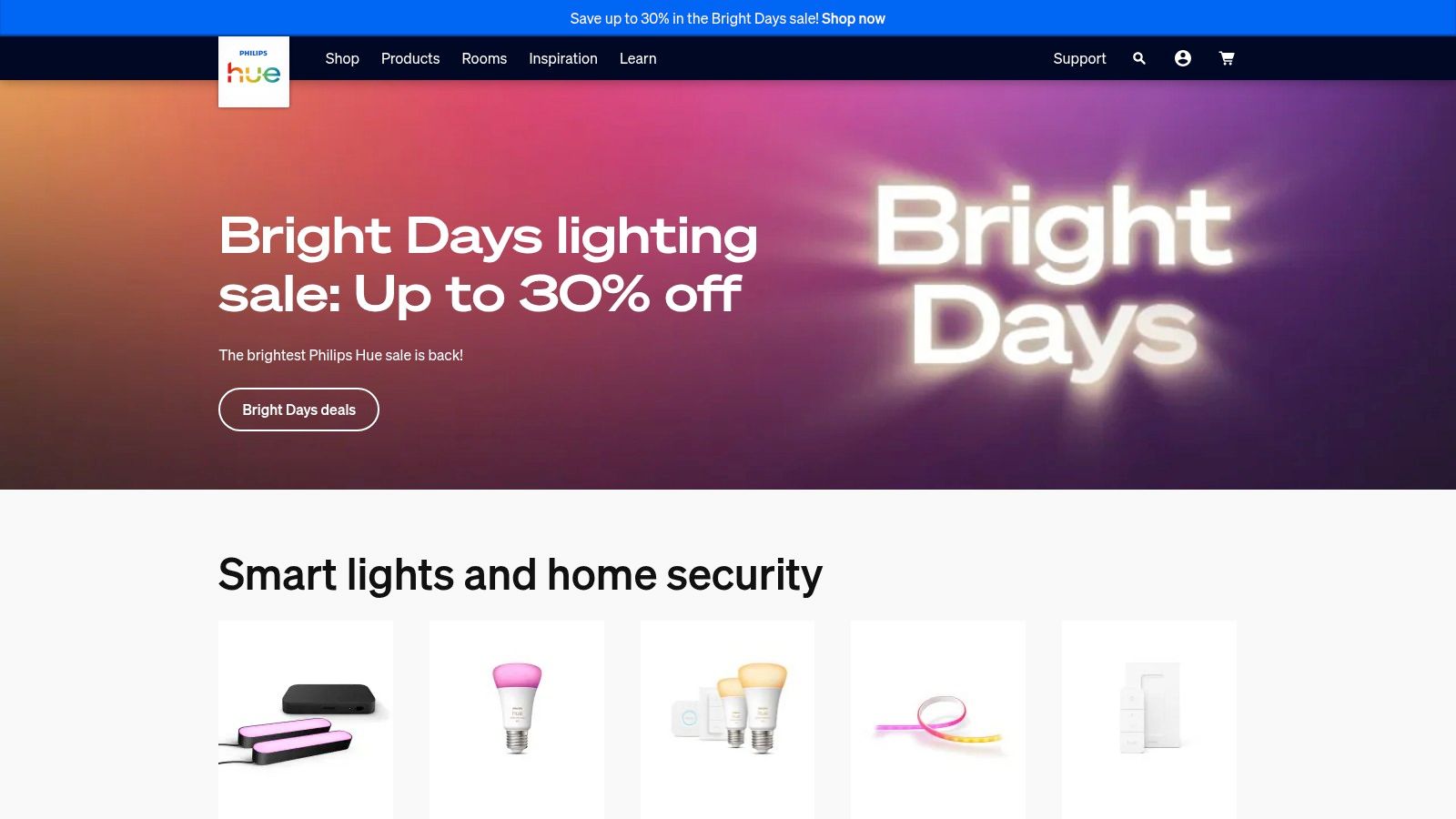
You get home late, want the bedroom calm within seconds, and do not want to stand there tapping through three different apps. Philips Hue suits that job well. It is one of the cleaner options for homeowners who want DIY smart lighting now, with room to build toward a more integrated setup later.
Philips Hue earns its reputation on reliability, scene control, and range. For bedrooms, that usually means bedside lamps, a strip behind the headboard, and one or two key fittings set to warm evening scenes that work the same way every night. Start with a single bulb over Bluetooth if you want a low-commitment trial, or add the Hue Bridge if you want better automation, more stable control, and a system that scales properly.
Hue is a strong fit for bedrooms that need layers rather than one bright centre fitting. A practical layout might be two lamps for reading, a concealed strip for low ambient light, and an overhead fitting kept for cleaning, dressing, or early starts. If you are still relying on one harsh ceiling light, these top ceiling light ideas for bedroom layouts will help you plan the room before you spend money on smart gear.
The big trade-off is cost. Hue usually performs well, but a full-room setup with colour bulbs, strips, and a bridge adds up quickly. For Brisbane homeowners, I would usually suggest using Hue where control matters most, then deciding whether the ceiling circuit, wall dimming, or built-in LED fittings should stay conventional or be upgraded by an electrician.
That last point matters more than many buyers expect. Hue is excellent in table lamps and plug-in fittings because power stays constant. It gets less convenient in bedrooms where family members or guests keep cutting power at the wall, or where two-way switching already causes confusion.
If you want smart control without changing your wiring, Hue is DIY-friendly. If you want the wall switch itself to dim properly, control multiple fittings, or tie smart scenes into fixed 240V lighting, the job changes. DLG Electrical handles that side of the project, including dimmer compatibility, switch replacements, and compliant integration with the rest of the bedroom lighting plan.
It is also worth checking DLG Electrical’s advice on lighting for bedroom design before buying more devices. The best Hue setup is rarely the one with the most products. It is the one that still works easily at 10 pm, with the right brightness, the right colour temperature, and a switch arrangement that makes sense.
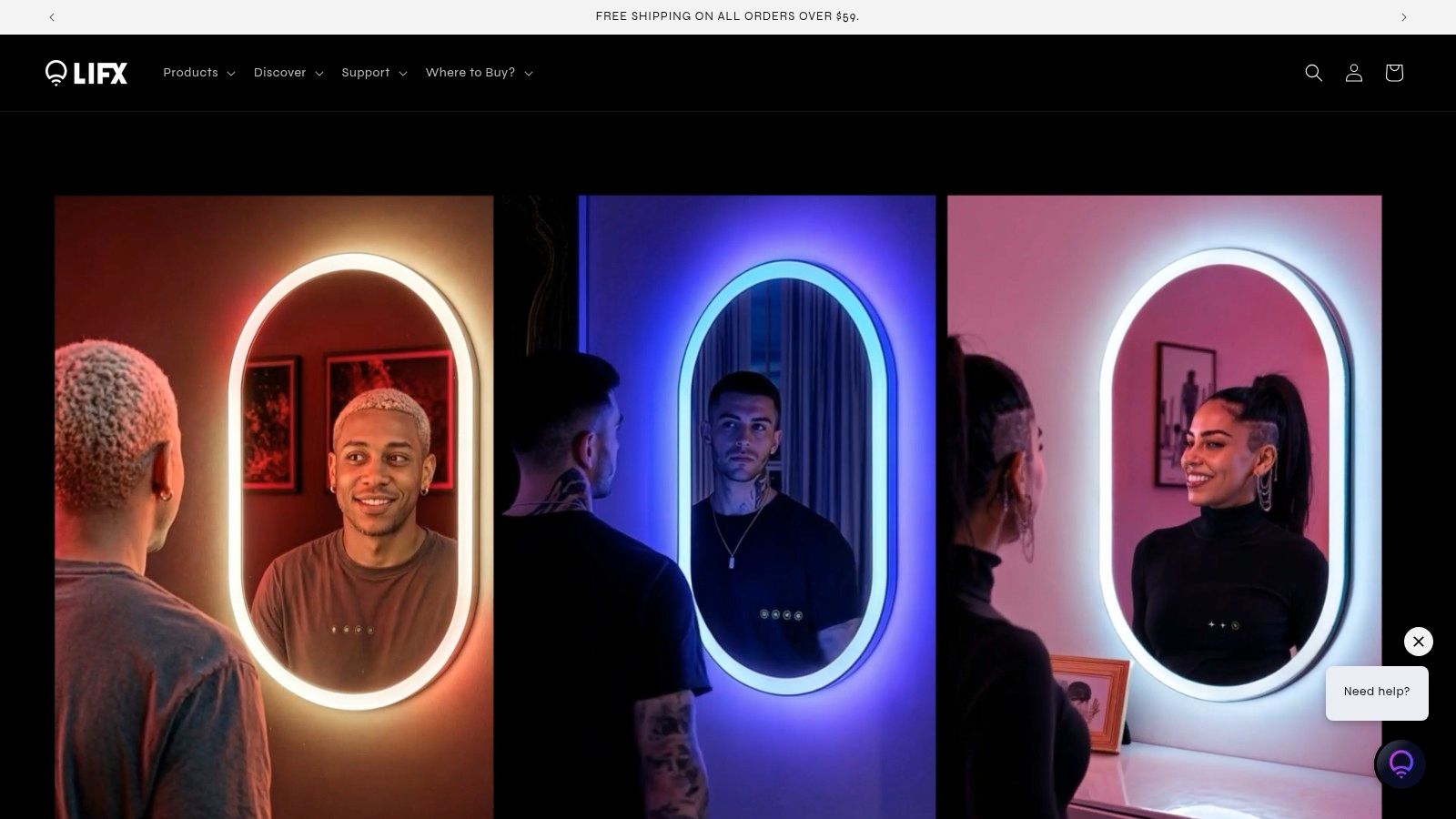
LIFX suits bedroom upgrades where you want smart lighting fast, without adding a hub or changing fixed wiring on day one. For Brisbane homeowners and renters, that makes it one of the more practical ways to test mood lighting before committing to a larger electrical upgrade.
Its strength is colour quality and straightforward setup. Install the globe or strip, connect it to Wi-Fi, build a few scenes, and the room changes quickly. That works well for bedside lamps, headboard lighting, shelves, and mirrors.
LIFX is less forgiving when the bedroom has weak Wi-Fi, crowded networks, or wall switches that people keep turning off. I see that problem often. The product gets blamed, but the underlying issue is usually power being cut at the switch or patchy wireless coverage at the back of the house.
A sensible setup is a strip behind the bedhead with one or two lamps on smart globes. That gives you soft background light for winding down and stronger local light for reading, without touching the 240V circuit. If the ceiling fitting still feels harsh or dated, DLG Electrical’s guide to top ceiling light ideas for bedroom helps you choose a better main light before you start layering smart products around it.
The trade-off is control. LIFX is excellent for plug-in fittings and decorative lighting, but it does not solve every bedroom lighting problem on its own. If you want the wall switch to dim properly, control multiple fixed fittings together, or replace standard switches with something that still works normally for guests, that moves out of DIY territory and into licensed electrical work.
That is the point where a mixed approach makes sense. Use LIFX for lamps, strips, and quick scene control. Bring in DLG Electrical for switch changes, dimmer selection, hardwired feature lighting, or integrated bedroom circuits that need to be safe, compliant, and easy to use every day.
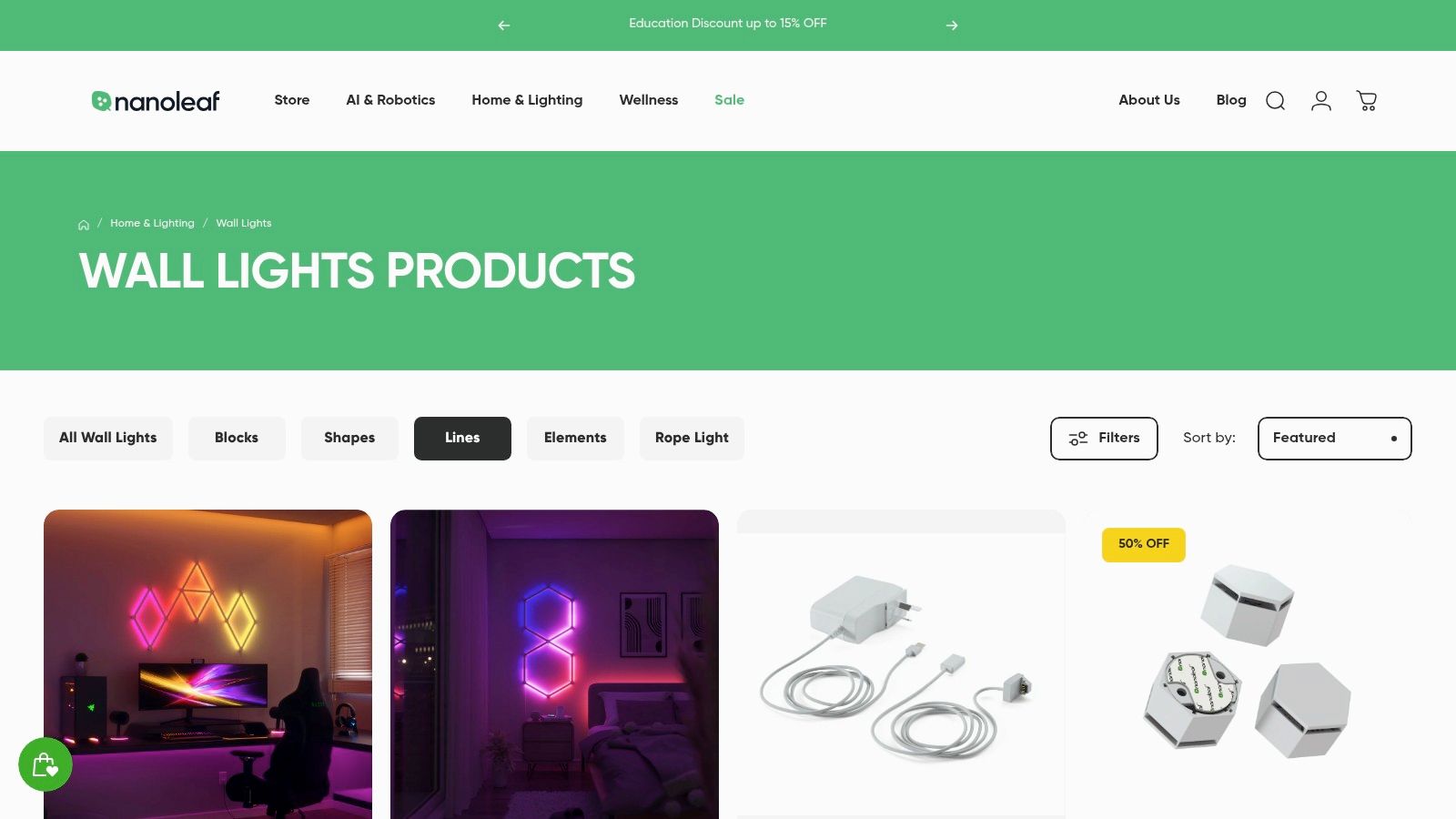
A bedroom with one plain ceiling light can feel flat the moment the rest of the house quiets down. Nanoleaf suits homeowners who want the lighting itself to become part of the room design, especially behind a bedhead, above a desk, or on a wall that needs a focal point.
Nanoleaf is strongest as feature lighting. The panels and Lines create shape, colour, and a softer wash across surfaces, but they do not replace proper ambient and task lighting in most bedrooms. If you want a room that feels calm at night, keep the effects restrained and use warmer settings for evening scenes.
That trade-off matters. A well-placed Nanoleaf install can add depth and personality. An overdone layout can make the room feel busy, glarey, and harder to settle into before sleep.
The most practical approach is to treat Nanoleaf as one layer in the room, not the whole plan. A single installation on the bed wall works well when bedside lamps or other dedicated reading lights handle the functional side. That gives you visual impact without asking decorative lighting to do a job it is not built for.
I would be cautious about using reactive colour scenes as your main night lighting. They are fun, but bedrooms usually need predictable, low-glare light levels and simple control at the switch or app. Guests and kids also need a setup that still makes sense without explaining a scene preset.
Nanoleaf ceiling products move beyond DIY once they connect to fixed wiring. At that point, a licensed electrician should handle the installation, confirm the circuit is suitable, and make sure the switching setup still works properly in day-to-day use. That is where Brisbane homeowners often benefit from a mixed approach. Use Nanoleaf for the visual feature, then bring in DLG Electrical if the room also needs new switching, hardwired fittings, or a cleaner integrated result.
IKEA smart lighting suits the bedroom where the wiring is staying put, but the atmosphere needs work. If the room has one harsh ceiling light and a pair of bedside lamps, IKEA gives you a practical way to add dimming and warmer light without opening walls or altering a 240V circuit.
That is its strength here. It is accessible, reasonably priced, and simple enough for renters, first-home buyers, and homeowners testing smart lighting before committing to a hardwired system.
In a lot of bedrooms, portable smart lighting solves the actual problem. A warm bulb in each bedside lamp, a wireless dimmer by the bed, and one lamp across the room usually gives better control than a single bright ceiling fitting ever could.
I often recommend starting there before spending money on electrical work. If the mood lighting goal is softer evenings, easier night-time control, and less glare, lamps and smart bulbs can get you most of the way with very little disruption.
IKEA also works well for households that want simple control without a long setup process. Remotes are easy for guests and children to understand, and replacement parts are easier to find than some online-only brands.
The limits show up once you want the lighting to behave like part of the house rather than accessories plugged into it. Wall-switch behaviour, multi-way switching, dimmable downlights, and integrated scenes across fixed fittings are outside the comfortable DIY range. If you are weighing that jump, it helps to understand how dimmer switch installation works in a real home before buying more gear than the room can use properly.
One caution from the trade side. Product ranges change, hubs get updated, and matching bulbs are not always available later. If you want the same colour temperature and lamp style across the whole bedroom, buy the set together rather than building it piece by piece over months.
IKEA is a sensible starting point for bedroom mood lighting. It is less suited to homeowners who want a polished built-in result with fixed dimmers, upgraded switching, or new hardwired fittings. At that point, a licensed electrician such as DLG Electrical can assess the existing circuit, confirm compatibility, and turn a basic smart setup into something cleaner and more reliable for daily use.

Clipsal Wiser suits bedrooms where the goal is built-in control, not another collection of gadgets. If you want the bedside lamps, downlights, or feature lighting to respond from a proper wall switch and still support smart scenes, this is the kind of system to look at.
The practical difference shows up every day. One press at the door can bring the room down to a soft evening level, and the switch still works for anyone else using the room. That makes Wiser a better fit for owner-occupiers who want the lighting to behave like part of the house, not accessories that depend on everyone remembering the app.
A hardwired smart dimmer controls the circuit itself. In a bedroom, that usually means cleaner wall plates, more predictable switching, and better integration with fixed fittings. It also avoids the common smart-bulb problem where someone turns the wall switch off and the automation stops working.
The main trade-off is compatibility. A dimmer is only as good as the LEDs and drivers connected to it. Some fittings dim smoothly to a very low level. Others flicker, buzz, or cut out early even though the packaging says they are dimmable. That is why product selection matters as much as the control system.
Clipsal Wiser is usually a stronger choice for renovations, new builds, and bedroom upgrades where the switching layout is being improved at the same time.
If you are comparing options, this guide on how dimmer switch installation works in a real home is useful background. The actual installation, load checks, and compliance work still need to be handled by a licensed electrician such as DLG Electrical, especially if the bedroom has multiple switching points, older wiring, or a mix of downlights and LED strip drivers.
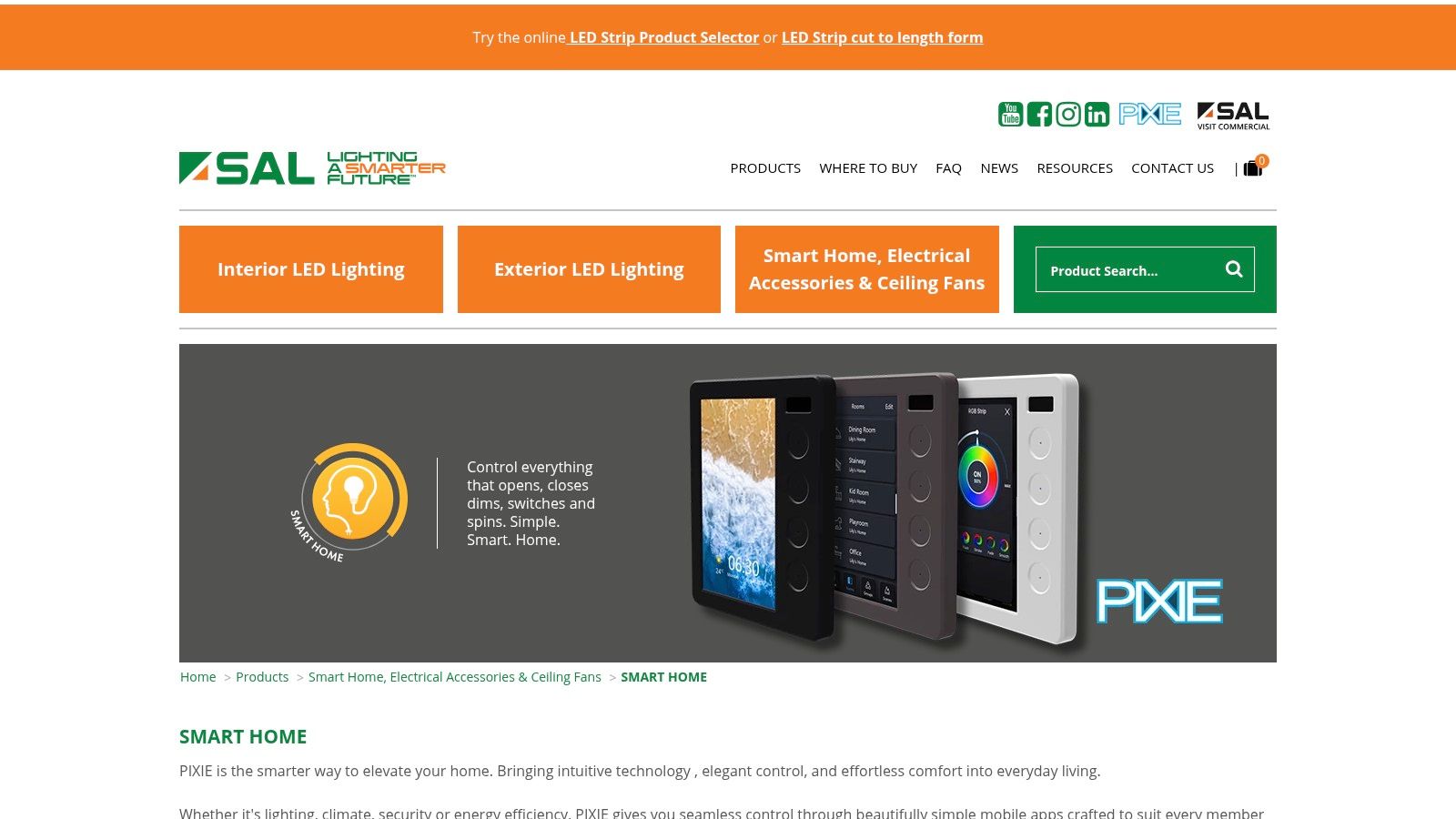
SAL PIXIE Smart Home suits bedrooms where the goal is controlled, low-level light from fixed fittings, not just colour from a bedside globe. I see it as a better fit for strip lighting, recessed profiles, bedhead lighting, and other built-in effects that need to dim cleanly and work properly from the wall switch.
That matters in a bedroom because the lighting people use most is usually the hardest to get right. Night lighting needs to be soft enough for tired eyes, but still stable. Cheap dimming often fails at that point. You get flicker, stepping, driver noise, or LEDs that switch off too early instead of fading smoothly.
Good bedroom mood lighting is usually quiet and restrained. A warm strip under the bed. A soft wash behind the bedhead. Downlights dimmed low enough to read the room without lighting it like a kitchen.
SAL PIXIE stands out when that lighting is part of the electrical plan rather than an add-on bought later. That is the main difference between DIY smart bulbs and an electrician-installed system. With PIXIE, the controls, drivers, switching, and fittings can be selected to work together from the start, which usually gives a cleaner result and fewer call-backs for dimming problems.
There is a trade-off. SAL PIXIE is less plug-and-play than retail smart bulbs, and it makes more sense when you are renovating, replacing fittings, or asking an electrician to sort the bedroom lighting properly. For a renter or anyone wanting a quick app-controlled setup this weekend, it may be more system than you need. For Brisbane homeowners planning joinery lighting, LED strip channels, or a more polished bedroom finish, it is often the smarter path.
A bedroom does not need extra fittings. It needs the right fittings on compatible controls, installed safely on the right circuit. DIY can cover portable lamps and some plug-in smart products. Once the job involves 240V switching, fixed LED drivers, or integrated scenes, that is licensed electrical work and the compliance side matters.

You buy a couple of smart globes for the bedside lamps, then decide you also want app control for the bedroom downlights. That is the point where Mercator Ikuü starts to make sense. It sits between simple retail smart lighting and a more planned system, with a wider range of bulbs, downlights, switches, and controls than many budget smart brands.
The practical advantage is choice. Some Ikuü products suit a straightforward DIY setup, while others make more sense as part of a larger installation where product compatibility, switching method, and circuit layout have been thought through properly. For Brisbane homeowners, that middle ground is useful. You can start small, but you are less likely to hit a dead end if the bedroom lighting grows into a renovation or a broader smart home project.
It suits bedrooms where consistency matters. Matching bedside lamps, smart downlights, and one control app usually gives a cleaner result than mixing three brands and hoping the routines, colour temperatures, and schedules all behave the same way.
There are still trade-offs. Mercator Ikuü is broader than many entry-level ranges, but that also means you need to check exactly what you are buying before anything is installed.
A few points are worth checking first:
From an electrician’s perspective, Ikuü is often a reasonable option for homeowners who want more than a quick bulb swap, but are not ready for a full custom lighting system. The products can do the job well if the bedroom layout, switching, and fittings are selected with the end result in mind. If the plan involves new circuits, hardwired switching, or integrated control of multiple lighting layers, that is the stage where a licensed contractor such as DLG Electrical should step in to keep the installation safe, compliant, and worth living with long term.
The right brand depends on what you want the bedroom to do at 10 pm, not what looks best on a product box. A renter adding two bedside lamps has a different job from a Brisbane homeowner rewiring a main bedroom during a renovation. That distinction matters because some systems are DIY-friendly, while others only make sense once a licensed electrician is involved.
| Product | 🔄 Implementation complexity | ⚡ Resource requirements | ⭐📊 Expected outcomes | 💡 Ideal use cases | Key advantages |
|---|---|---|---|---|---|
| Philips Hue | Moderate, plug‑and‑play bulbs. Hue Bridge adds extra setup if you want full system control | Bridge for full features, plus varied hardware. Higher upfront cost | High quality colour, very low dimming, and dependable automations | Bedrooms needing presets, wake/sleep routines, and broad integrations | Mature ecosystem, wide hardware range, strong retail support |
| LIFX | Low, hubless Wi‑Fi setup with app‑based control | Stable Wi‑Fi required. Moderate price and occasional app or firmware troubleshooting | Very vivid colours and bright output, with strong strip effects | Instant app control and multi‑zone ambient effects | No hub needed, fast setup, strong colour saturation |
| Nanoleaf | Medium to high, modular layout planning. Some products may need licensed installation | Higher hardware cost. Skylight may require a licensed electrician | Immersive ambient scenes and decorative reactive effects | Statement pieces, feature lighting, and media‑focused bedrooms | Modular decorative panels with strong app features |
| IKEA Smart Lighting (TRÅDFRI / Home Smart) | Low, bulbs, kits, and remotes. Optional gateway if you want to expand | Low cost bulbs and starter kits. Gateway optional | Basic dimming and warm or cool white ambience, with fewer advanced scenes | Renters or budget‑conscious users wanting straightforward mood lighting | Affordable, easy in‑store pickup, easy controls |
| Clipsal Wiser Smart Dimmers | High, in‑wall replacement requiring a licensed electrician | Professional installation, electrical‑grade parts, and labour | Reliable wall switch control with local scenes and compliant installation | Homes requiring tactile wall control and a built‑in finish | AU‑standard fittings, installer support, clean wall‑switch look |
| SAL PIXIE Smart Home | Medium, usually installer-led, with Bluetooth local control | Commonly sourced through wholesalers. Best results come from electrician setup | Very smooth low‑level dimming and discreet switch control | Bedrooms needing precise low‑brightness control and a clean finished look | Purpose‑built for AU mains, excellent low‑level dimming |
| Mercator Ikuü | Low to medium, with DIY Wi‑Fi options and hub‑based Zigbee options | Flexible protocol choices. Check exact model, pricing, and stock before purchase | Good value full‑room mood lighting with tunable whites and colours | Value‑focused bedroom upgrades with Australian support material | Protocol flexibility, broad product mix, and AU guidance |
A few practical patterns show up fast once these systems are compared side by side. Hue and LIFX suit homeowners who want quick results with lamps, strips, and smart globes. Clipsal Wiser and SAL PIXIE suit bedrooms where the lighting needs to work properly from the wall switch every day, even for people who do not want to open an app.
Nanoleaf sits in a different category. It is more decorative than architectural. That can work well behind a bedhead or on a feature wall, but it is usually not the system I would choose as the main source of functional bedroom lighting.
IKEA and Mercator Ikuü are often the entry point for budget-conscious setups. The trade-off is range depth, control polish, and long-term integration. They can still be a good buy if the goal is modest ambient lighting rather than a fully unified room scene.
From an electrician’s perspective, the dividing line is fixed wiring. Bulbs, plug-in lamps, and some LED strips are usually reasonable DIY options. Hardwired dimmers, replacement downlights, new switching, and integrated control should be handled by a licensed contractor such as DLG Electrical so the result is safe, compliant, and properly matched to the fittings in the room.
You walk into the bedroom at night, tap the wall switch, and the room is either too bright, too cold, or the smart bulb is offline again. That is usually the point where the choice becomes clear. The core question is not which brand looks best on the box. It is whether you want a portable smart setup you can install yourself, or a hardwired system that works properly every day from the switch.
DIY products suit a lot of bedrooms. Smart bulbs, plug-in lamps, and some adhesive LED strips from Philips Hue, LIFX, IKEA, or Mercator Ikuü are a practical fit for renters, for trial runs, and for homeowners who want better ambience without opening walls or replacing switchgear. They are quick to set up, easy to change later, and useful if the goal is bedside lighting, a soft cove effect, or one or two app-controlled scenes.
Hardwired control suits a different brief. Clipsal Wiser and SAL PIXIE make more sense when the bedroom lighting needs to behave like part of the house, not like a collection of accessories. You keep proper wall-switch control, the dimming is matched to the fittings, and guests or family members do not need an app to use the room. The trade-off is straightforward. Once you are changing dimmers, downlights, switch wiring, or fixed feature lighting, the work involves 240V circuits, product compatibility, and compliance with Australian electrical requirements.
That matters in Brisbane homes, especially in renovations and main-bedroom upgrades where owners want a cleaner finish. Warm dimmable light in the 2700K to 3000K range is still the benchmark for a restful bedroom, but getting that result depends on more than buying warm lamps. Dimmer type, driver compatibility, fitting selection, switch layout, and circuit design all affect how the room feels at night. Poor matching often causes flicker, dropout at low levels, or lights that look good in the app but perform badly on the wall switch.
A good rule is this: if the product plugs in or screws into an existing lampholder, DIY is often reasonable. If the job touches fixed wiring, switch plates, hardwired downlights, transformers, or new circuits, bring in a licensed electrician.
For homeowners weighing both paths, Simply Tech Today's smart home guide is a useful starting reference for general setup concepts. The installation side still needs local electrical knowledge and product selection that suits Australian fittings and wiring practices. If you want integrated bedroom lighting with compliant dimmers, smart controls, and a finished result that works from both the app and the wall, DLG Electrical can help with design advice and installation for Brisbane homes.

Master Electrician with over 30 years of experience. Founded DLG Electrical in 2005 after international project work including electrical installations at Stamford Bridge Stadium, London(Home of Chelsea FC).

Local Electricians that can fix all Electric Hot water Systems.
Motion sensor lights are a versatile addition to any home, offering nu
