83 Jean St, Grange QLD 4051
Mon-Fri 07:30 AM - 04:00 PM - Sat - 8:00 - 12 - Sunday Closed

That feeling when you open your power bill and the number staring back at you is way higher than you expected… it’s a frustrating mix of confusion and dread. So, why is my power bill suddenly so high? It’s rarely just one thing. More often, it’s a perfect storm of factors, from seasonal energy use and new daily habits in your household, to bigger pressures like rising energy market prices. Getting a handle on these key drivers is the first step to wrestling that bill back under control.
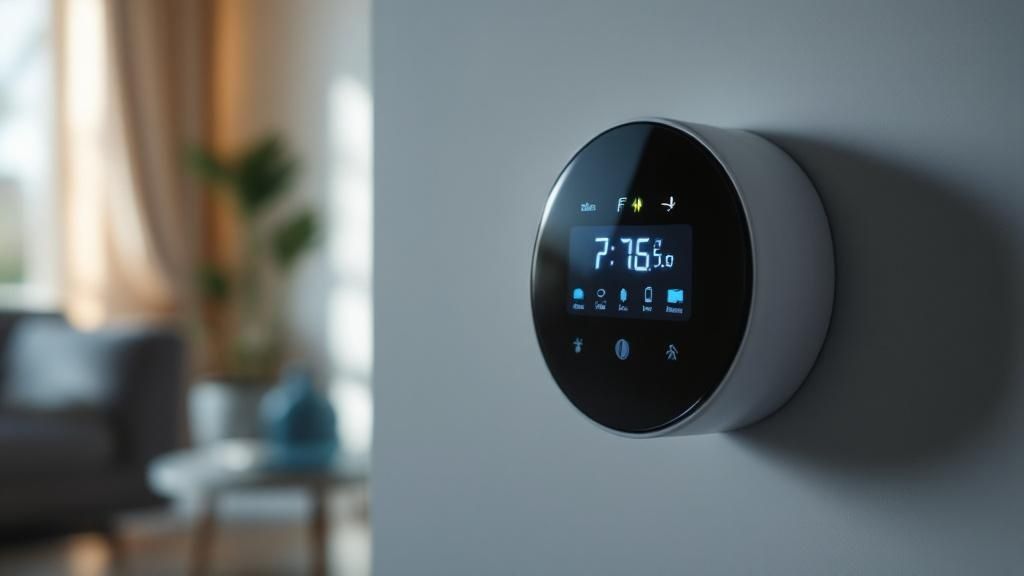
Think of your power bill as a detective story. At first, the numbers seem random and confusing, but once you start looking for clues, you can piece the whole narrative together. The main suspects are almost always the same: how much power your home is chewing through, what time of day it’s using it, and the price you’re paying for every kilowatt.
This guide is your roadmap to investigating your own energy usage. We’ll kick off by looking at the big picture, like Australia’s energy market, before zooming in on the energy-guzzling culprits inside your own home.
To help you get started, here’s a quick checklist of the usual suspects.
| Potential Cause | What to Check | Covered in Section |
|---|---|---|
| Seasonal Changes | Is your heating or cooling working overtime? Compare this bill to the same time last year. | Section 2 |
| New Appliances | Have you installed a new pool pump, spa, or a second fridge recently? | Section 3 |
| Faulty Appliances | An old, inefficient fridge or a faulty hot water system could be the culprit. | Section 3 |
| ‘Vampire’ Power | Devices on standby still draw power. Check TVs, game consoles, and computers. | Section 4 |
| Changes in Habits | Are you working from home more? Do you have a new family member or house guest? | Section 1 |
| Rate Changes | Has your energy retailer increased their prices? Check your bill for tariff changes. | Section 5 |
This table gives you a starting point, but now let’s dig into the details to really crack the case.
The story almost always begins with your household’s unique energy habits. Australian homes are some of the most power-hungry in the world, largely driven by our climate extremes. Heating and cooling alone can gobble up to 40% of the average energy bill, which makes a sudden change in seasons a prime suspect in any bill shock investigation. You can get a sense of the national trends by checking how annual electricity consumption in the NEM is tracked on aer.gov.au.
But it’s not just about the weather. Your daily habits and the appliances you use play a massive role. From the air conditioner blasting on a hot summer arvo to the entertainment system left on standby overnight, all those little things add up—and fast. Even a seemingly small shift, like a new baby, a teenager who loves long showers, or working from home a few extra days a week, can completely change your energy profile.
By identifying these patterns, you move from being a victim of high bills to an empowered investigator. The goal is to pinpoint exactly where your money is going so you can make targeted, effective changes.
To really get to the bottom of it, you need a baseline. The best way to start is by learning how to read your electricity meter. It’s a simple step, but it gives you the hard data you need to track your usage, see what’s really happening, and measure the impact of the changes you make.
Sometimes, the real reason your power bill is so high has nothing to do with what’s happening inside your home. Australia’s energy market is a complex beast with a lot of moving parts, and getting a basic handle on it can explain why your costs suddenly jump. It’s often less about a single switch you flipped and more about the bigger national picture.
Think of our electricity supply like a recipe. The final product—the power that gets to your house—is a mix of different ingredients, and each one has its own price tag. These ingredients include old-school sources like coal and natural gas, alongside renewables like solar and wind. The final price you pay is a blend of all these costs.
A huge slice of our energy “recipe” still comes from fossil fuels. Because coal and gas prices are tied to unpredictable global markets, an event on the other side of the world can create a ripple effect that ends up on your bill. When the global price for these fuels spikes, the cost to generate electricity here in Australia climbs, and retailers have little choice but to pass that on to you.
This dependency is a major reason so many people are asking, “why is my power bill so high?”. As of 2025, around 58% of Australia’s electricity still came from fossil fuels, with coal making up 45% and natural gas 13%. You can learn more about Australia’s energy mix and see how these numbers create price pressure for everyone.
The bottom line is simple: the more our grid relies on fuels with see-sawing global prices, the less predictable our own power bills become. This external volatility is a massive driver of bill shock for Australian households.
Another big piece of the puzzle is the cost of maintaining and upgrading the massive network that delivers power to your door—the National Electricity Market (NEM). This isn’t just about the power plants; it’s about the thousands of kilometres of poles and wires that make up the grid.
As Australia shifts towards more renewable energy, the grid needs serious upgrades to handle the new way electricity flows. These essential modernisation projects are expensive, and the costs are spread across all energy users. So, a portion of your bill is directly funding the work needed to future-proof our national energy infrastructure. While it’s critical for a reliable grid, these network charges definitely add another layer to your final bill.
While you can’t control market forces, you absolutely can control what’s happening inside your home. The infographic below shows exactly where your power is going.
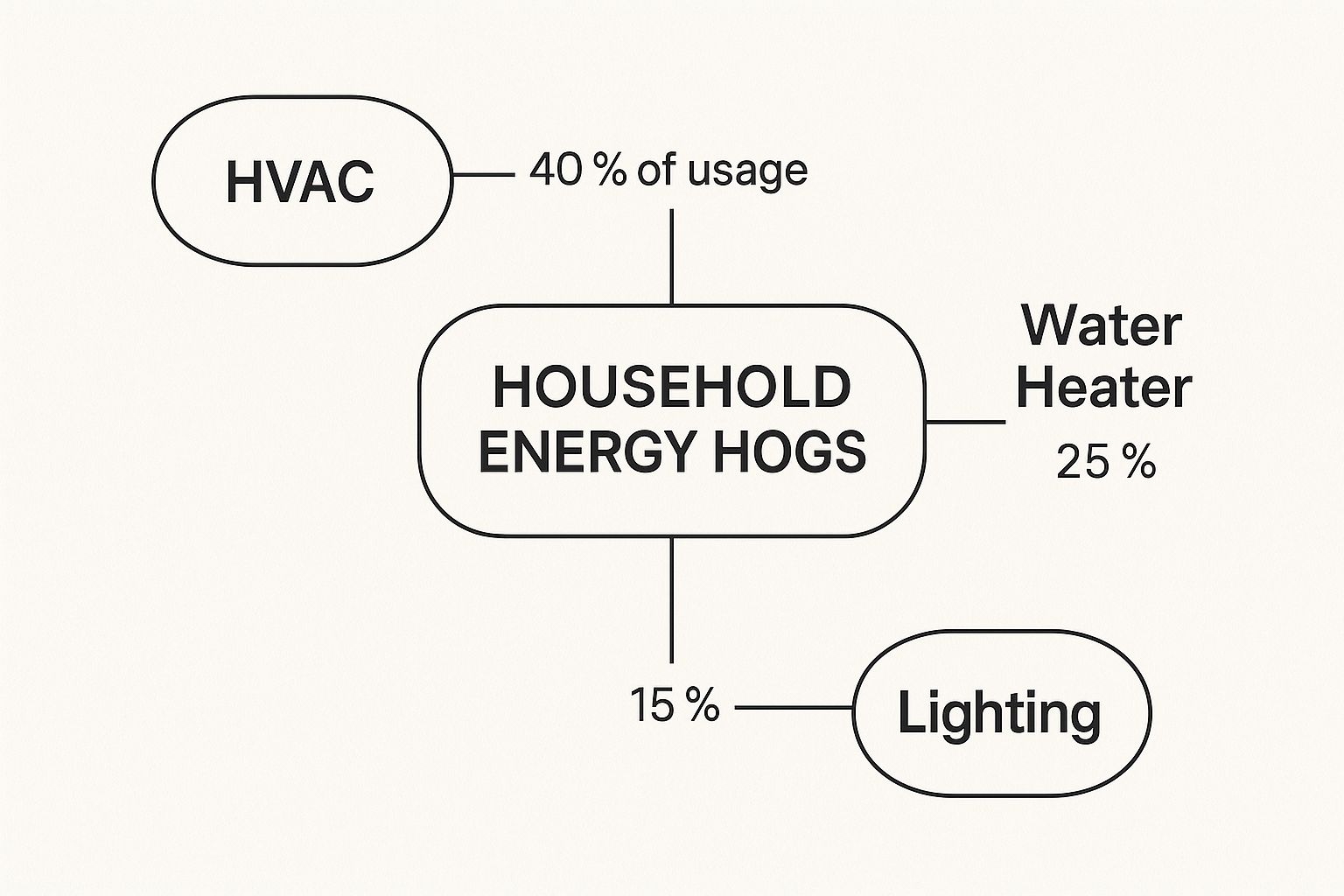
This breakdown makes it crystal clear: just three areas—climate control, water heating, and lighting—are responsible for the lion’s share of a typical household’s energy bill. By focusing your efforts here, you can make a real dent in your costs, even when external market prices are stubbornly high.
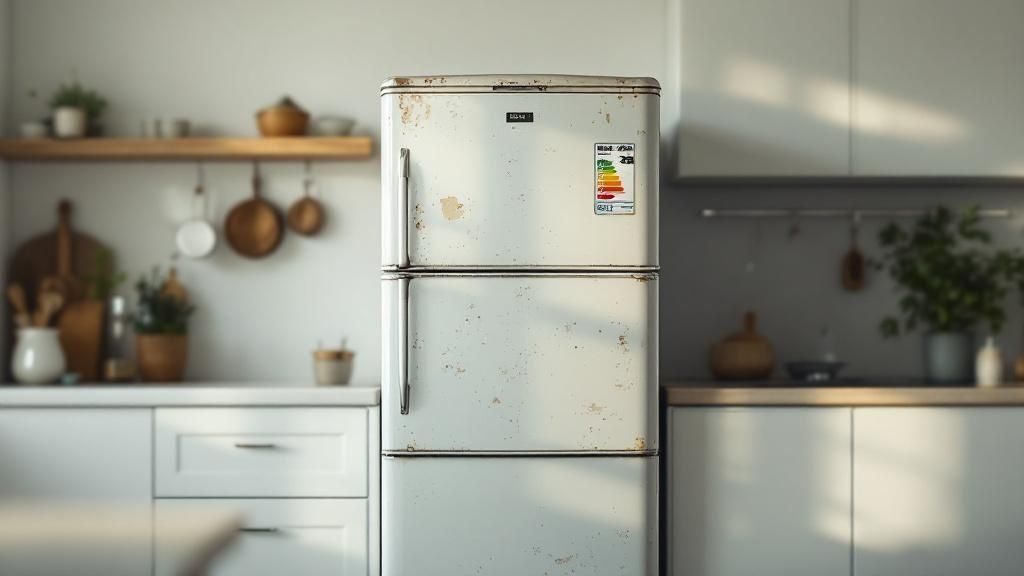
After getting your head around the big picture of the energy markets, the next logical step to figuring out “why is my power bill so high?” is to look at what’s happening inside your own four walls. You might be surprised to learn that many homes are crawling with silent energy consumers, often called ‘energy vampires’ or ‘phantom loads’.
These are the sneaky appliances and gadgets that keep drawing power from the wall socket, even when you think you’ve switched them off. It’s a bit like a tap with a slow, constant drip—one drop seems like nothing, but over weeks and months, it adds up to a huge amount of wasted water. Energy vampires are doing the exact same thing with your electricity.
This sneaky standby power can be responsible for 5-10% of your total household energy usage. While that might not sound like a massive number at first, it’s money you’re literally throwing away on electricity you aren’t even using. To stop the bleeding, you need to become a bit of a detective in your own home.
Not all devices are created equal when it comes to phantom power draw. Some are far worse than others for sipping energy in the background, and your mission is to identify these main culprits and pull the plug when they aren’t in use.
The most common energy vampires lurking in Australian homes usually include:
Here’s a good rule of thumb: if a device has a remote control, an external power brick, a clock or display that’s always on, or can turn on instantly, it’s almost definitely an energy vampire.
You don’t need any fancy gear to start this investigation. The most effective method is a simple room-by-room walkthrough to see where your power is secretly draining away. Just grab a notepad and start hunting.
In the living room, take a look at that mess of cables behind your television. In the study, feel how warm your laptop charger or power bricks are, even when you’re not using them. Every warm plug is a tell-tale sign of wasted energy being lost as heat.
Sometimes, the culprits are less obvious. For instance, poor or ageing insulation means your heating and cooling systems have to work much harder to maintain a comfortable temperature. Making sure you have proper home insulation can dramatically reduce this energy loss, making a huge difference to your monthly bill.
Once you’ve found the offenders, the solution is surprisingly simple. One of the most effective strategies is to group appliances together on a single power board.
This lets you cut the power to a whole bunch of devices with one flick of a switch. For example, plug your TV, gaming console, and soundbar into the one board. When you head off to bed, just switch it off at the wall. Job done—no more phantom load.
This one simple habit—unplugging things or just switching them off at the wall—can make a noticeable dent in your next power bill. It gives you back control over your energy use without costing you a cent or requiring much effort at all.
Of all the things that can make your power bill jump, your daily routines and the changing seasons are often the biggest culprits. If you’ve ever looked at a bill and wondered, “why is my power bill so high?”, the answer usually comes down to two simple but powerful forces: how you live your life day-to-day and the weather outside your window.
By far, the biggest energy hog in most homes is heating and cooling. As the seasons shift from a scorching summer to a chilly winter, your climate control systems have to work overtime to keep things comfortable. This is where your energy consumption can truly skyrocket.
Think of your thermostat as a volume dial for your power bill—a tiny adjustment can make a massive difference over the long run. Just tweaking it by one degree—up in summer or down in winter—can slash your heating and cooling energy use by up to 10%.
It’s not just about how much power you use, but when you use it. This little detail can dramatically alter your final bill. Many Aussie energy retailers use what’s called time-of-use (TOU) tariffs, which are designed to charge you more for electricity during periods when everyone else is using it too.
It’s basically happy hour in reverse. Using power during these “peak” periods costs significantly more per kilowatt-hour.
This means running your dishwasher at 7 PM could cost you a whole lot more than running the exact same cycle at 11 PM. Shifting your big energy-guzzlers—like washing machines, dryers, and dishwashers—to off-peak times is a simple, no-cost way to make a real dent in your bill.
It pays to know your tariff. A work-from-home household using power all day might have a very different “expensive” time compared to a family that’s out of the house until the evening. Check your last bill to see what kind of plan you’re on.
We’ve put together a table to help you prioritise which habits will give you the biggest bang for your buck.
| Habit Change | Potential Annual Savings | Effort Level |
|---|---|---|
| Shift laundry/dishwasher use to off-peak hours | $100 – $300+ | Low |
| Adjust thermostat by 1-2°C seasonally | $80 – $200 | Low |
| Install energy-efficient window coverings (blinds) | $50 – $150 | Medium |
| Seal draughts around doors and windows | $50 – $100 | Medium |
| Switch off lights in unused rooms | $20 – $50 | Low |
| Unplug “vampire” appliances on standby | $10 – $30 | Medium |
As you can see, a few smart adjustments to your big appliances and thermostat deliver far more savings than chasing down every little standby light. Focus on the big wins first!
It’s also important to realise that not every dollar on your bill is for the power you’ve personally used. A huge chunk of it covers the cost of just getting that electricity to your home. In fact, transmission and distribution network charges can make up 40% or more of your bill.
These charges reflect the enormous cost of maintaining and modernising the grid. As you can discover in this detailed energy market report, these network costs are unavoidable and are passed on to all of us.
Getting a handle on the massive energy draw of heating and cooling is the first step to taking back control. For a deeper dive, our guide on the cost of running your air conditioner breaks down exactly how much that comfort is costing you. By combining smart thermostat habits with strategic timing of your chores, you can start fighting back against seasonal bill shock.
Alright, understanding why your power bill is so high is the first battle. Now it’s time to fight back with a clear, actionable strategy. The good news is that lowering your energy use doesn’t have to be a complicated or expensive mission. It’s really just about making smart, deliberate choices that fit your lifestyle and budget.
We can break down the most effective actions into three simple categories, starting with changes you can make this very minute without spending a cent.
The quickest wins always come from simple habit adjustments. These changes cost nothing but your attention, and they can collectively make a very real difference to your next bill. It’s proof that small actions really do add up to significant savings.
Let’s start with your climate control. Just adjusting your thermostat by one or two degrees—up in summer, down in winter—can slice your heating and cooling costs by up to 10%. Seriously. And get into the habit of switching off lights and ceiling fans whenever you leave a room.
Another powerful, no-cost tactic is to unplug devices when they’re not in use, or at least switch them off at the power point. This completely stops that silent drain from ‘phantom loads’ or energy vampires, ending that slow, costly leak of electricity.
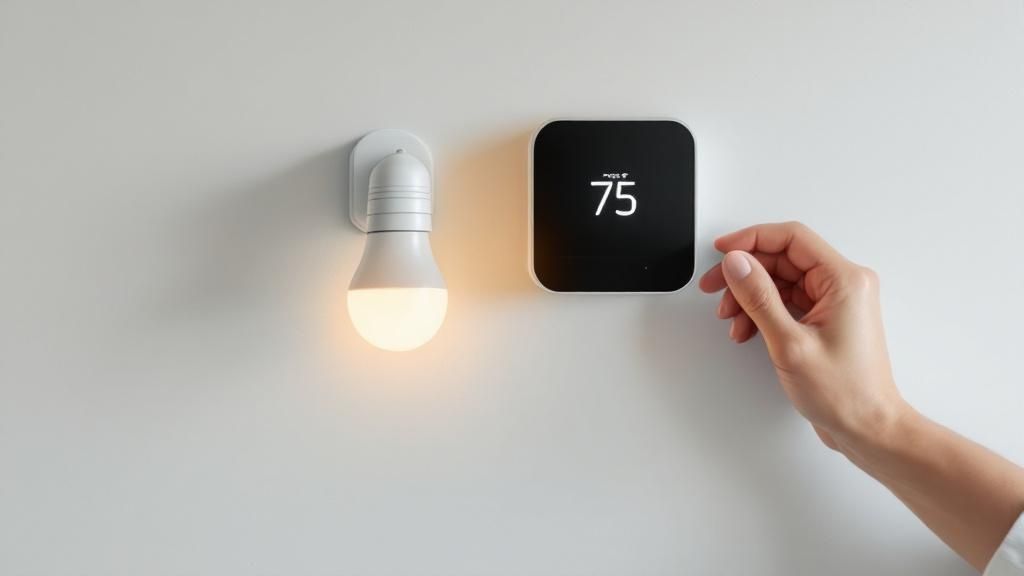
Once you’ve mastered the freebies, the next step is to look at small, affordable purchases that pay for themselves—often very quickly—through energy savings. Think of these as smart, one-off investments in your home’s efficiency.
For a more tailored approach, have a look through these extra energy efficiency tips from a Northside electrician to find solutions perfect for Brisbane homes.
The goal of these low-cost changes is to get the best return on your investment. A $10 draught stopper that saves you $50 a year in heating costs is an incredible win for your wallet.
For anyone looking to make the biggest possible dent in their power bills, larger, long-term investments offer the most substantial savings. These are foundational changes that boost your home’s value and slash your reliance on the grid for years to come.
Upgrading to modern, energy-efficient appliances is a key strategy here. When it’s finally time to replace that old fridge, air conditioner, or hot water system, make sure you look for models with a high Energy Star rating. A more efficient system uses significantly less power to do the exact same job.
Finally, installing rooftop solar is the ultimate move towards energy independence. If you already have solar, making sure your panels are working at their best is a direct way to cut costs. You can learn more in a comprehensive guide to solar panel cleaning for peak performance to get the most out of your system. By generating your own clean electricity, you take direct control over your power costs and future-proof your home.
Even after doing some digging, a few things about a high power bill can leave you scratching your head. Below, we’ll tackle some of the most frequent questions we hear from homeowners trying to solve the puzzle of a surprise bill.
Think of these as the final pieces of the puzzle, connecting the dots between your home, your habits, and that number on your statement.
If your day-to-day routine hasn’t changed, a bill that doubles is a massive red flag. When you’re asking, “why is my power bill so high?”, there are a few usual suspects to investigate first.
Start by checking if your bill was based on an actual meter read or just an estimate. Energy companies sometimes estimate your usage for a couple of months and then hit you with a “catch-up” bill after a real reading. This can cause a nasty shock.
Another possibility is a rate change from your provider; retailers adjust their prices, and this will always show up on your statement. Lastly, a major appliance could be on its last legs. A failing hot water system or an old beer fridge in the garage can start drawing a huge amount of power just to keep running.
This is a classic myth that costs Aussies a fortune every summer. For most modern air conditioners in a reasonably well-insulated home, it is almost always more energy-efficient to only run the unit when you’re actually there.
Leaving it on a low setting all day means it’s constantly fighting the heat seeping in from outside. It’s a bit like trying to fill a bucket with a hole in it—you’re just burning energy to maintain the status quo. It’s far cheaper to cool the space down when you get home and switch it off when you leave or go to sleep.
The only exception might be for very old, inefficient systems in poorly insulated homes. But for the vast majority of households, the “set and forget” strategy is an expensive one. Using your system strategically is the real key to managing cooling costs.
Finding the right electricity plan is a huge part of managing your bills, but it’s something most of us never get around to checking. The first step is to grab your latest bill and find your tariff type. Are you on a single flat rate for everything, or a time-of-use plan where power costs more at peak times?
Once you know that, you can see how it stacks up against other offers. The Australian Government’s Energy Made Easy website is a fantastic, unbiased tool for exactly this. You can plug in your usage details and compare plans from different retailers, helping you find one that actually fits how your household uses energy. A quick switch could easily save you hundreds of dollars a year.
If you’ve pinpointed a faulty appliance, need a switchboard upgrade to handle your home’s load, or just want expert advice on making your home more energy-efficient, the team at DLG Electrical is here to help. Contact us for a free quote and reliable service at https://dlgelectrical.com.au.

Master Electrician with over 30 years of experience. Founded DLG Electrical in 2005 after international project work including electrical installations at Stamford Bridge Stadium, London(Home of Chelsea FC).

Local Electricians that can fix all Electric Hot water Systems.
Motion sensor lights are a versatile addition to any home, offering nu
