83 Jean St, Grange QLD 4051
Mon-Fri 07:30 AM - 04:00 PM - Sat - 8:00 - 12 - Sunday Closed
Expert Photoelectric Smoke Alarm Installation & Maintenance Services | AS 3786-2014 Compliant | Brisbane Northside Electricians
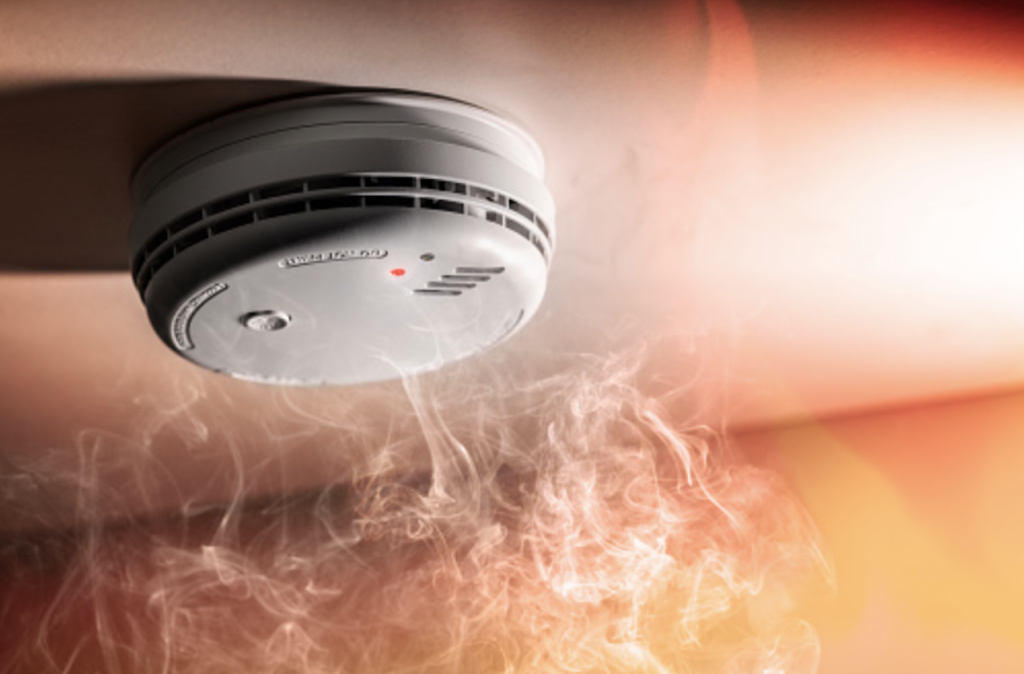
Our emergency smoke detector technicians carry a full range of AS 3786-2014 compliant photoelectric smoke alarms, ensuring we can resolve your smoke alarm emergency on the first visit. Whether you’re dealing with a smoke detector that won’t stop beeping, a faulty interconnected system, or need urgent installation for rental property compliance, DLG Electrical’s emergency service ensures your Brisbane home is protected.
Queensland’s smoke alarm legislation requires all homes to have photoelectric, interconnected smoke detectors installed in specific locations. DLG Electrical ensures your Brisbane property meets all current and future compliance requirements.
Queensland’s smoke alarm compliance follows a phased rollout with specific deadlines for different property types. Understanding these deadlines is crucial for Brisbane homeowners to avoid penalties and ensure family safety.
Brisbane property owners who fail to install compliant smoke detectors face significant penalties under Queensland legislation. The Queensland Fire and Emergency Services can issue fines for non-compliant smoke alarm installations, making professional installation essential.
DLG Electrical partners with Australia’s leading smoke alarm manufacturers to provide Brisbane homeowners with reliable, compliant, and long-lasting fire protection systems.
DLG Electrical provides transparent, competitive pricing for smoke detector installation throughout Brisbane northside, with no hidden fees and comprehensive warranties on all work.
Frequently Asked Questions About Smoke Detectors
Queensland law requires photoelectric smoke detectors that comply with Australian Standard AS 3786-2014. Ionization smoke detectors are prohibited in Queensland homes. All smoke alarms must be interconnected so when one activates, all alarms throughout the property sound simultaneously.
Queensland regulations require smoke detectors in every bedroom, in hallways connecting bedrooms to other areas, and on every level of your property. Most Brisbane homes need between 4-8 smoke detectors depending on size and layout. DLG Electrical provides free assessments to determine your exact requirements.
Photoelectric smoke detectors use light-scattering technology to detect smoke particles and are more effective at detecting smoldering fires. Ionization detectors use radioactive material to detect fast-flaming fires but are prohibited in Queensland due to their tendency to cause false alarms and reduced effectiveness with smoldering fires.
Yes, Queensland law requires all smoke detectors in a home to be interconnected. This means when one smoke alarm detects smoke, all alarms throughout the property activate simultaneously, ensuring everyone is alerted regardless of where the fire starts.
Smoke detectors should be replaced every 10 years, regardless of whether they appear to be working. The sensors degrade over time, reducing effectiveness. Modern smoke alarms include expiry dates and may have end-of-life warnings to indicate when replacement is needed.
While battery-powered smoke detectors can be installed by homeowners, professional installation ensures optimal placement, proper interconnection, and compliance with Queensland regulations. Hardwired smoke detectors must be installed by licensed electricians. DLG Electrical recommends professional installation for all smoke alarm systems.
You need to upgrade if your current smoke alarms are ionization type, not interconnected, or over 10 years old. Additionally, upgrades are required when selling property, renewing rental agreements, or by January 1, 2027, when all Queensland homes must be compliant.
Smoke detector installation costs vary depending on the number of alarms needed, installation type (hardwired vs battery), and property complexity. DLG Electrical provides free quotes with typical installations ranging from $650-$1,200 for complete home compliance.
Yes, hardwired smoke detector installation requires a licensed electrician. This work involves electrical connections and may require new circuits, making professional installation essential for safety and compliance.
Non-compliant smoke detectors can result in fines, insurance claim issues, property sale delays, and most importantly, reduced fire protection for your family. Queensland Fire and Emergency Services can issue penalties for non-compliance.
Test smoke detectors monthly using the test button on each alarm. Additionally, professional annual testing is recommended to verify proper operation, clean sensors, and check interconnection functionality.
False alarms can be caused by cooking smoke, steam, dust, or insects in the detector. Ensure smoke detectors are properly positioned away from kitchens and bathrooms, keep them clean, and consider upgrading to newer photoelectric models that are less prone to false alarms.
Never permanently disable smoke detectors. Some modern alarms have temporary silence features for false alarms, but the detector will automatically reactivate. If you’re experiencing frequent false alarms, contact DLG Electrical to assess placement and recommend solutions.
10-year lithium battery smoke detectors don’t require battery replacement during their lifespan. Traditional smoke detectors with replaceable batteries should have batteries changed annually or when low-battery warnings occur.
AS 3786-2014 is the Australian Standard for smoke alarms, specifying performance requirements, testing procedures, and installation guidelines. Compliant smoke detectors have been tested to ensure reliable smoke detection and meet Queensland’s safety requirements.
Yes, modern wireless interconnected smoke detectors use radio frequency technology that provides reliable communication between alarms. These systems are ideal for existing homes where hardwired interconnection would be disruptive to install.
Interconnected smoke detector systems typically require the same brand and compatible models to ensure proper communication. Mixing brands may prevent proper interconnection functionality. DLG Electrical can assess your existing system and recommend compatible additions.
Smart smoke detectors can meet Queensland requirements if they are photoelectric, AS 3786-2014 compliant, and properly interconnected. Additional smart features like smartphone notifications are beneficial but don’t replace basic compliance requirements.
Hardwired smoke detectors connect to your home’s electrical system with battery backup, providing continuous power and reliable interconnection. Battery-powered detectors use 10-year lithium batteries and wireless interconnection, making them ideal for retrofitting existing homes.
Yes, DLG Electrical provides same-day emergency smoke detector installation for urgent compliance needs, property settlements, or malfunctioning systems. Emergency service includes additional fees but ensures immediate fire protection and compliance.
First, check if it’s a low battery warning or end-of-life signal. If the beeping continues after addressing these issues, contact DLG Electrical immediately as it may indicate a fault requiring professional diagnosis and repair.
Yes, DLG Electrical services and maintains smoke detector systems regardless of who installed them. Our maintenance services include testing, cleaning, battery replacement, and compliance verification.
Standard installations are typically completed within 1-2 days of quote acceptance. Emergency installations can often be completed the same day. Installation time depends on the number of detectors, installation type, and property complexity.
Yes, DLG Electrical provides comprehensive warranties covering workmanship and installed products. Our 12-month workmanship warranty ensures your smoke detector installation meets all requirements and operates reliably.
Professional electrical services across Brisbane northside suburbs
