83 Jean St, Grange QLD 4051
Mon-Fri 07:30 AM - 04:00 PM - Sat - 8:00 - 12 - Sunday Closed
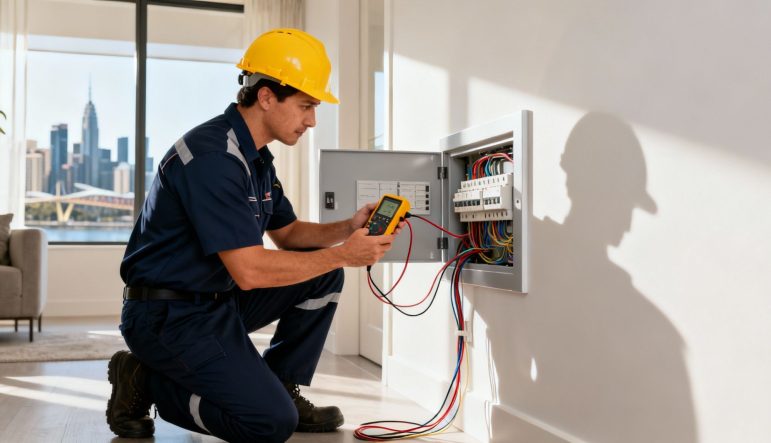
Choosing the right Brisbane electrician shouldn’t feel like a lottery. It’s a massive decision, one that impacts the safety and smooth running of your property for years to come. The whole process really boils down to three things: checking their licence, knowing what you actually need them to do, and figuring out how to pick a genuine professional from the crowd.

Let’s be honest, finding a sparky in a city as big and busy as Brisbane can be overwhelming. There are so many options out there. How do you tell the real experts from the rest? This guide is designed to be your roadmap, cutting through the jargon to show you exactly what to look for so you can make a confident, safe choice.
One thing is non-negotiable: electrical work is not a DIY job. Trying to fix wiring or install a new light fitting yourself is incredibly dangerous and, here in Queensland, it’s flat-out illegal. It can lead to severe electric shocks, devastating house fires, and it’s a surefire way to void your home insurance policy. A qualified professional doesn’t just bring their tools; they bring safety, compliance, and priceless peace of mind.
Brisbane has been growing like mad, and that’s put a huge demand on skilled trades. With our city’s population now pushing past 2.6 million, all the new homes and commercial buildings have created a massive market for electrical services. You can learn more about Brisbane’s growth trends for electricians to see the full picture.
All this growth means you’ve got more choice, which is great, but it also means you have to be more careful. This guide will walk you through:
Think of hiring an electrician like choosing a pilot for a flight. You wouldn’t just go with the cheapest option without checking their credentials and experience first. The safety of your home and family depends on making a well-informed decision based on qualifications, not just the price tag.
Ultimately, our goal is to give you the confidence to know your electrical project is being handled safely and professionally right from the start.
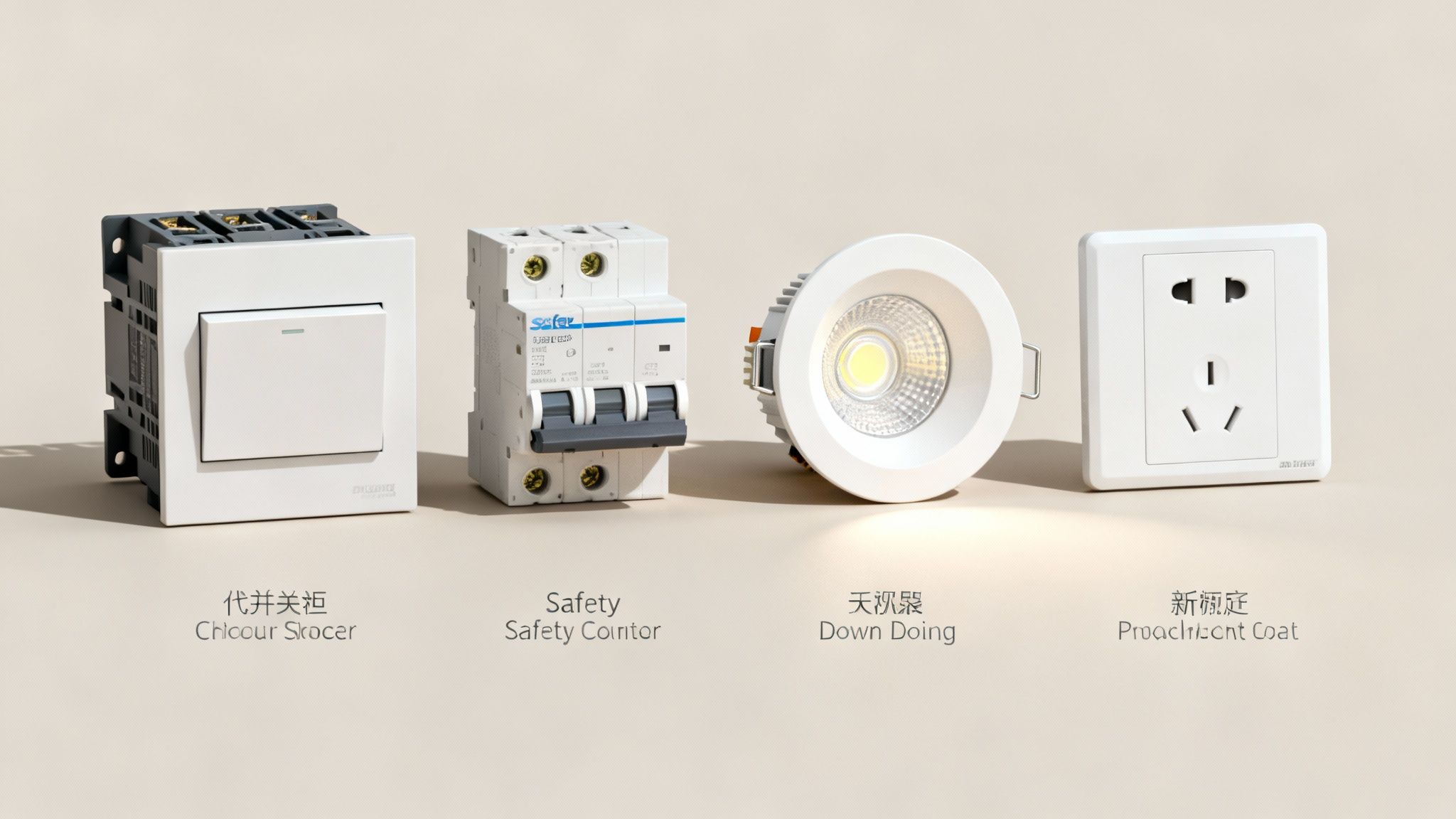
When you need to call a Brisbane electrician, it really helps to understand what they actually do. Think of it like a doctor’s surgery—some handle routine check-ups, while others perform complex operations. Knowing the different service categories makes it much easier to find the right sparky for your specific job.
Broadly speaking, electrical work falls into two main camps: residential and commercial. While some tasks overlap, the scale, complexity, and safety regulations for each are worlds apart. Let’s break down the most common jobs for both, starting with the work that keeps your home running safely and smoothly.
For homeowners, an electrician’s work is all about safety, efficiency, and making life a bit more convenient. These are the day-to-day jobs that ensure your home’s wiring can handle modern life without putting your family at risk.
A huge one for many older Queenslander homes is a switchboard upgrade. Your switchboard is the control centre for your entire home’s electrical system. If it’s an old model with ceramic fuses, it’s like trying to run Netflix on a dial-up connection—it’s slow, outdated, and just can’t cope with the demand.
Upgrading to a modern switchboard with circuit breakers is a non-negotiable safety improvement. This work always includes installing safety switches (RCDs), which are mandatory here in Queensland. These devices are absolute lifesavers, designed to cut the power in milliseconds if they sense a fault, preventing a nasty electric shock.
Other common residential jobs include:
Beyond the standard jobs, many Brisbane electricians now specialise in renewables like solar panel installation. This is a specialised field that requires specific expertise in system design and connecting to the grid.
Your home’s electrical system is like its central nervous system. A small fault in one area can have widespread effects. Regular maintenance and timely upgrades by a licensed professional are crucial for keeping the entire system healthy and safe.
The electrical needs of businesses, offices, and industrial sites are on a completely different level. A commercial electrician deals with much higher power loads, incredibly complex systems, and has to navigate strict workplace health and safety regulations.
One of the biggest differences is three-phase power. While homes typically run on single-phase power, commercial properties often need a three-phase supply to run heavy machinery, massive air conditioning units, and commercial-grade kitchen equipment. Managing these systems requires very specialised knowledge.
On top of that, data and communication are the lifeblood of any modern business. Electricians are often responsible for installing structured data cabling, creating the network infrastructure that supports everything from office computers and servers to phone systems and Wi-Fi access points.
A professional Brisbane electrician provides a wide range of commercial services, which we’ve broken down in the table below.
To help you pinpoint exactly what you need, here’s a quick look at how electrical jobs differ between a home and a business.
| Service Category | Residential Examples | Commercial/Industrial Examples |
|---|---|---|
| Safety & Compliance | Switchboard upgrades, safety switch installation, smoke alarm checks. | Emergency and exit lighting testing, RCD testing, test and tag services. |
| Installations | Power points, ceiling fans, new lighting, home EV chargers. | Three-phase outlets, data cabling, security systems, commercial lighting. |
| Maintenance & Repair | Fault finding for tripping circuits, hot water system repairs. | Scheduled preventative maintenance, machinery repairs, switchboard maintenance. |
This clear distinction helps ensure you hire a professional with the right skillset for the job. Simply asking a potential electrician about their background in residential versus commercial projects is a great way to vet them, guaranteeing a safer and more reliable outcome.
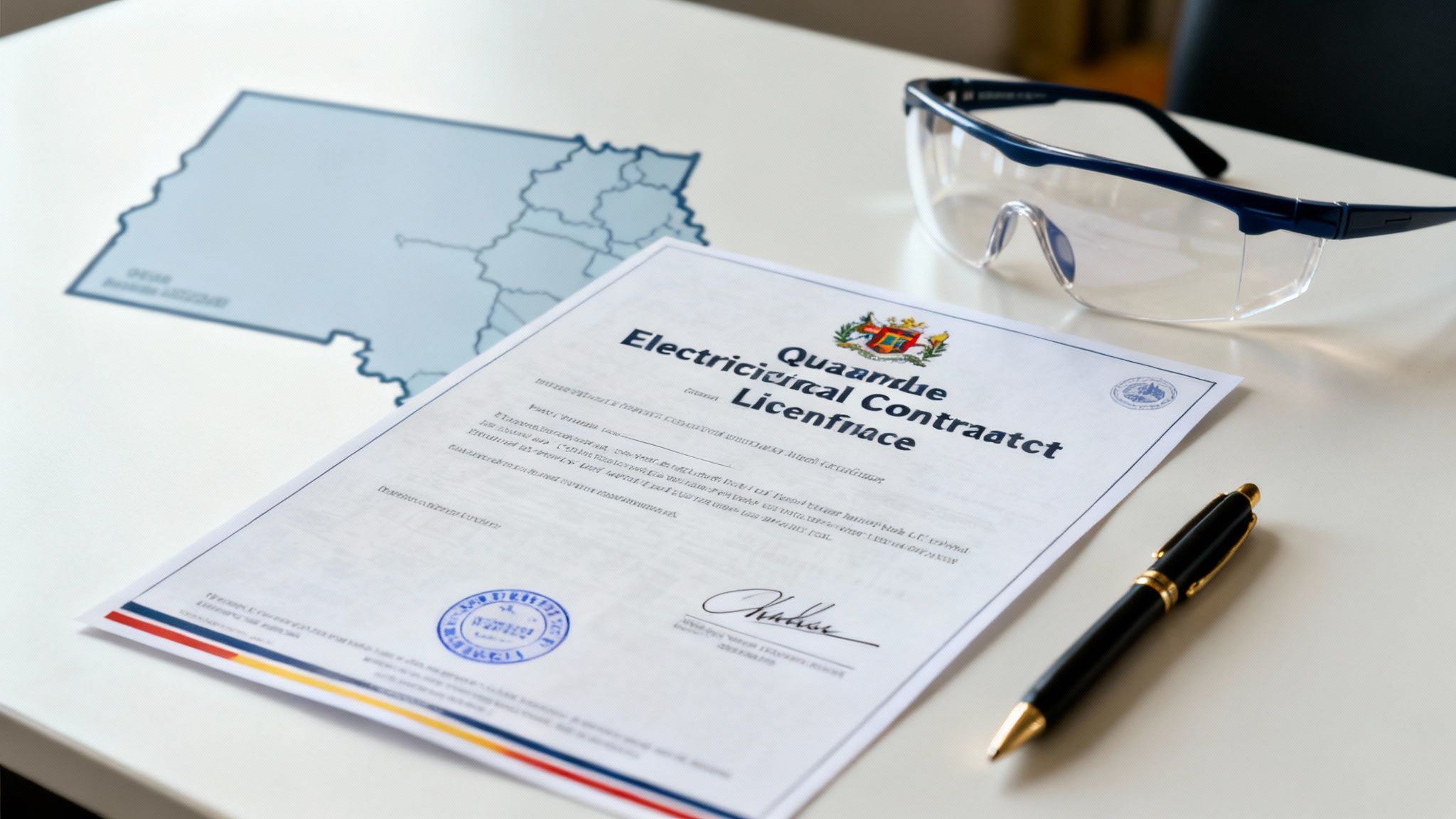
When you’re hiring a tradesperson in Queensland, some rules are just good practice. But for electrical work? They’re strict, non-negotiable laws. Getting an unlicensed person to do electrical work isn’t just a risky move—it’s completely illegal and can have catastrophic results for your property, your insurance, and most importantly, your family’s safety.
Think of Queensland’s licensing system as your built-in safety net. It’s there to protect you from dodgy work and make sure every job meets Australia’s tough standards. Any legitimate Brisbane electrician will have no problem showing you their credentials, because they know these rules are what separate the real professionals from the dangerous amateurs.
In Queensland, the electrical licensing system has two parts, and it’s vital you check both before any work kicks off. This isn’t just bureaucratic red tape; it’s a critical check to make sure both the business and the individual are legally allowed to touch your wiring.
First, the business itself must hold a valid Electrical Contractor Licence. This confirms the company is registered, properly insured, and legally allowed to offer and carry out electrical services. It’s the business’s ticket to trade.
Second, the actual electrician who turns up at your door must hold their own personal Electrical Worker Licence. This is their proof of qualification, showing they’ve done the training and are competent to handle the hands-on work safely and correctly.
A valid licence is your guarantee that an electrician has the training, knowledge, and accountability required by Queensland law. Never accept excuses or take someone’s word for it; a quick online check is the only way to be 100% certain.
The good news is, the Queensland Government makes it incredibly easy to protect yourself. The Electrical Safety Office (ESO) has a free online public register where you can look up any licence in a matter of seconds.
Just ask your potential electrician for their licence number. Any hesitation or refusal to give you this is a massive red flag, and you should walk away immediately.
Here’s the simple process:
This five-minute check is the most powerful tool you have for weeding out unqualified operators right from the start.
So, the job’s done. How do you get official proof that it was completed safely and up to standard? That’s where the Certificate of Compliance (CoC) comes in. This is one of the most important pieces of paper you’ll receive.
A CoC is a legal document your electrician is required to provide for most electrical installation work. You can think of it like a roadworthy certificate for your car—it’s the official declaration that the work is safe, has been tested, and meets all the relevant Australian Standards (specifically AS/NZS 3000).
This document is non-negotiable for several reasons:
A professional Brisbane electrician will issue a CoC as a standard part of their job. You can find out more about this crucial document in our detailed guide to the electrical Certificate of Compliance. Always make sure you receive this certificate and keep it in a safe place.
https://www.youtube.com/embed/HOOHmLHu04k
Let’s be honest, one of the biggest worries for any Brisbane homeowner or business owner when it comes to electrical work is the cost. It’s hard to plan a budget or know if you’re getting a fair deal when you don’t have a clear picture of how the pricing works. We want to pull back the curtain on those costs so you can make confident, smart financial decisions for your project.
Think of the final price of an electrical job like a recipe. The total cost depends on the ingredients (the materials used), the chef’s skill and time (the electrician’s labour), and how complex the dish is (the job itself). Any good Brisbane electrician will be upfront about how all these elements come together in your quote.
When a quote lands in your inbox, you’re really looking at a breakdown of a few key things. Getting your head around these components is the best way to compare different offers fairly and see exactly where your money is going. It ensures you’re comparing apples with apples, not just staring at the final number.
You’ll usually come across two common pricing structures: hourly rates and fixed-price quotes.
A few variables can really shift the final cost of your electrical project. The biggest driver is always the complexity of the job. For example, popping a new power point into an easily accessible plasterboard wall is a world away from running new wiring through the double-brick walls of a classic Queenslander.
The quality of materials also plays a huge part. You might pay a bit more upfront for high-quality, reputable brands for your switches, outlets, and circuit breakers, but it almost always saves you money down the track on annoying repairs and replacements. And finally, urgency matters. An emergency call-out on a Sunday night will naturally come at a premium compared to a scheduled job during business hours.
A professional electrician’s rate isn’t just for their time on site. It covers their insurance, vehicle running costs, thousands of dollars in specialised tools, constant training to stay up-to-date, and all the other overheads of running a legitimate business. A quote that seems too good to be true often means corners are being cut somewhere important.
The earnings for a skilled electrician reflect this high level of responsibility and expertise. In Brisbane, rates have seen a steady increase, with the average hourly pay for an industrial electrician being AU$42.91. Highly experienced professionals can command even higher rates, and you can discover more insights about these electrician earnings on PayScale.com. This context helps explain why quality workmanship comes at a fair price.
To make sure your project aligns with your financial goals, it’s always a good idea to brush up on effective budgeting techniques to manage your overall finances.
While every job has its own unique quirks, it helps to have a rough idea of what to expect. Just remember, these are ballpark figures. The only way to get a precise cost for your specific situation is with a formal, written quote from a licensed Brisbane electrician.
Here are some typical price ranges for common residential jobs around Brisbane:
For a more in-depth look, check out our guide on how much electricians charge, which goes into much more detail on pricing. Our best advice? Always get at least three detailed, itemised quotes to find a fair price from a professional you feel comfortable with.
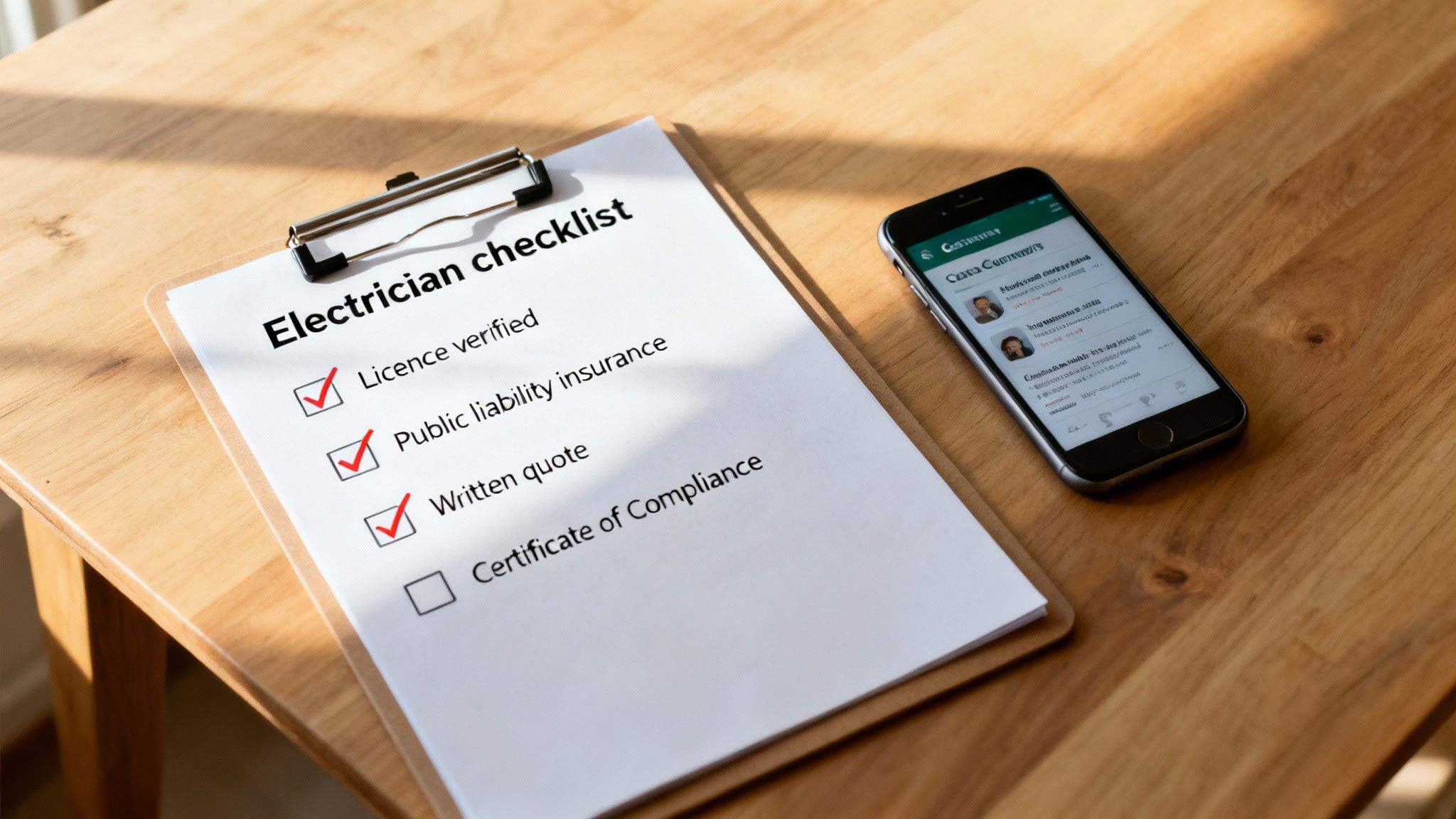
Now that you’ve got the essentials of licensing and costs down, you’re ready to make a smart choice. Picking the right Brisbane electrician isn’t about crossing your fingers and hoping for the best; it’s about doing your homework. This checklist is your practical guide to vetting your options and making sure you partner with a safe, reliable professional.
Think of it as a background check before you make a serious investment—because that’s exactly what it is. A little due diligence right now can save you from massive headaches, surprise costs, and dangerous safety risks later on.
Let’s walk through the non-negotiables.
Before you even get into the nitty-gritty of the job, there are a couple of crucial things you absolutely must verify. These are the foundations of any legitimate electrical business in Queensland.
Once you’ve confirmed they’re properly licensed and insured, it’s time to dig a little deeper. You need to know if they’re the right fit for your specific project. A good sparky will have no problem answering these questions.
Hiring an electrician is a partnership built on trust and transparency. If a contractor gets vague, defensive, or seems unwilling to provide clear answers and paperwork, consider it a major red flag and move on. Your safety is far too important to leave to chance.
Knowing what to look for is only half the battle; you also need to know what to avoid. Brisbane’s electrical services industry has grown into a $36.2 billion market in Australia, with over 45,850 businesses competing for your job. You can learn more about the scale of the electrical services industry on IBISWorld.
With so many choices, it pays to be vigilant. Keep an eye out for these warning signs:
Finding the right person for the job is so much easier when you know exactly what to look for. For more insights on this, check out our guide on how to find a licensed electrician near you for more valuable tips.
When it comes to electrical work, it’s natural to have questions. To help you feel more confident, we’ve put together some clear, straightforward answers to the queries we hear most often from Brisbane locals.
Getting this stuff right from the start is the best way to make a safe and smart decision for your home or business. Let’s get into what you need to know.
For most homes around Brisbane, we recommend a professional electrical safety inspection every 5 years. Think of it as a regular check-up that ensures your wiring, power points, and switchboard are all in good shape and up to current Queensland safety standards.
That said, you should definitely book an inspection sooner if your property is on the older side, you’ve just done major renovations, or you’re noticing annoying issues like circuit breakers tripping all the time. A proactive check can spot a potential hazard long before it becomes a real danger, giving you proper peace of mind.
An electrical inspection is like a health check for your home. It’s a smart, preventative step that catches small issues before they snowball into major, expensive problems, keeping your whole electrical system safe and reliable for the long haul.
A true electrical emergency is any situation that puts people or property at immediate risk. It’s crucial to recognise the warning signs so you can act fast and call an emergency Brisbane electrician straight away.
Keep an eye out for these urgent red flags:
If you spot any of these, your safety is the absolute priority. If it’s safe to do so, switch off the main power at your switchboard and call for emergency help immediately, day or night.
The answer here is a firm and absolute no. In Queensland, it’s illegal for anyone who isn’t a fully licensed electrician to do any kind of wiring work. That includes jobs that might seem simple, like putting in a new power point or swapping out a light fitting.
Trying to DIY your electrics is incredibly dangerous. The risk of electric shock, property damage, and house fires is just too high. On top of that, it will instantly void most home and contents insurance policies. Always bring in a licensed professional who can guarantee the work is done safely and give you a formal Certificate of Compliance.
Ready to talk about your project with a trusted, local expert? The team at DLG Electrical is here to help with all your residential and commercial electrical needs. Contact us today for a free, no-obligation quote!

Master Electrician with over 30 years of experience. Founded DLG Electrical in 2005 after international project work including electrical installations at Stamford Bridge Stadium, London(Home of Chelsea FC).

Local Electricians that can fix all Electric Hot water Systems.
Motion sensor lights are a versatile addition to any home, offering nu
