83 Jean St, Grange QLD 4051
Mon-Fri 07:30 AM - 04:00 PM - Sat - 8:00 - 12 - Sunday Closed
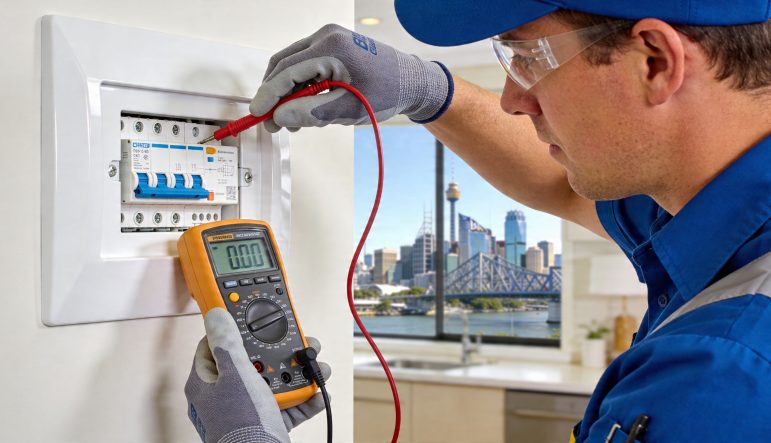
The light in the kitchen flickers once, then settles. A power point in the lounge feels warmer than it should. The safety switch trips when the kettle and microwave run together. Most Brisbane homeowners have had one of these moments and wondered whether it’s just annoying or dangerous.
It can be both.
Electrical problems rarely fix themselves. They usually get worse in small steps, then fail all at once when you need the system most. In Australia, electrical faults are a leading cause of residential fires, with approximately 20 to 25% of structure fires in homes attributed to electrical origins, and Queensland Fire and Emergency Services reported over 1,200 electrical-related incidents in residential properties in the 2022 to 2023 financial year (Electrical Safety First facts and figures).
That’s why good electrical repairs aren’t just about getting the lights back on. They’re about making the home safe, making the fault make sense, and making sure the repair is legal, reliable, and suited to the way Brisbane homes are used.
Electrical faults often start with something easy to dismiss. A downlight flickers. A breaker trips once. An outlet makes a faint buzzing sound when a heater is plugged in. Homeowners usually notice the symptom first, not the cause.
The cause could be simple. It could also be a loose connection, damaged insulation, water ingress, a worn switch mechanism, an overloaded circuit, or an ageing switchboard struggling to handle modern demand. Brisbane homes, especially older ones, often carry a mix of old wiring, newer appliances, air conditioning loads, and patchwork renovations. That combination is where a lot of trouble starts.
What matters is pattern.
If a light flickers only when one fitting is switched on, the issue may sit at the fitting, lamp holder, or switch. If several lights dim together when an appliance starts, that points to a broader load or connection issue. If a power point is discoloured, warm, or noisy, stop treating it as a convenience problem. It’s a safety problem.
Practical rule: If you can see heat, smell burning, hear crackling, or lose power repeatedly, the repair should move up your priority list immediately.
A proper repair follows a sequence. First, identify the symptom clearly. Second, make the area safe. Third, work out whether the fault is isolated or system-wide. Fourth, get the right licensed electrician to test, repair, and confirm the circuit is safe to return to service.
The following questions are often asked:
Those are the right questions. The rest of this guide answers them in the order you’ll need them, from first warning signs through to emergency action, common repair types, Queensland rules, and choosing someone competent to do the work.
Some faults announce themselves early. Others stay hidden until a breaker trips or an appliance fails. The easiest way to spot trouble is to pay attention to what you can see, hear, smell, and feel.
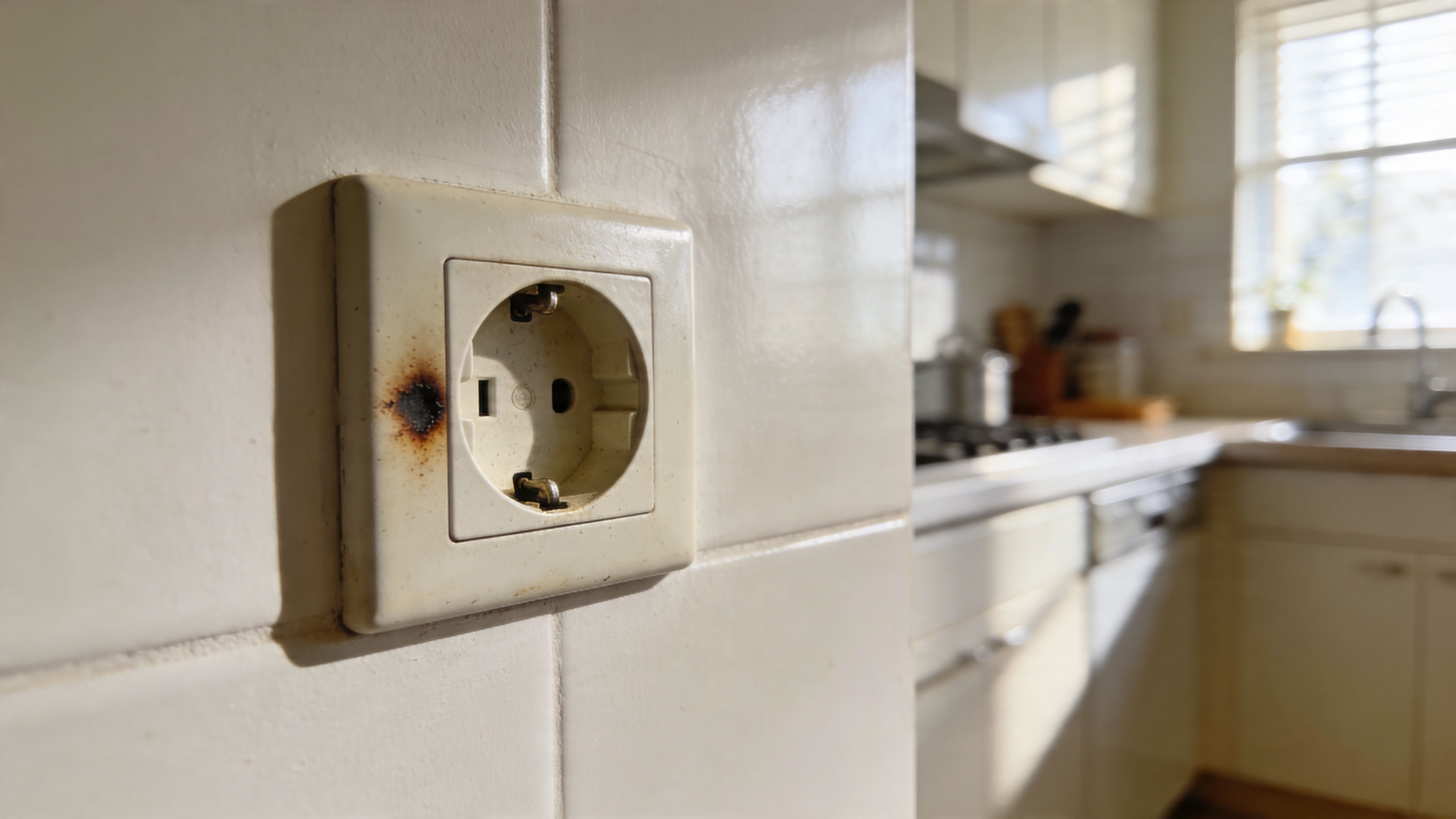
Visual signs are often the first clue.
Electrical systems should be quiet. They also shouldn’t smell like anything.
A buzzing switch, crackling outlet, or humming fitting can point to loose terminations, failing components, or arcing. A burning smell, especially near a switchboard, powerpoint, or appliance connection, needs immediate attention.
Don’t wait to see if it “goes away”. Heat damage tends to worsen under load.
If an outlet, switch, or fitting is making noise, turn that circuit or appliance off and keep people away from it until it’s checked.
You shouldn’t have to guess whether something is overheating.
In older Northside homes, faults often show up when several appliances run together. Air conditioning, electric hot water, kitchen loads, and modern electronics put more demand on circuits than older wiring was designed for.
One isolated symptom can still matter. A cluster of them usually means it’s time for testing and repair, not another reset and a hope for the best.
When something goes wrong electrically, speed matters. So does staying calm. The aim is simple: make the area safe without putting yourself at risk.
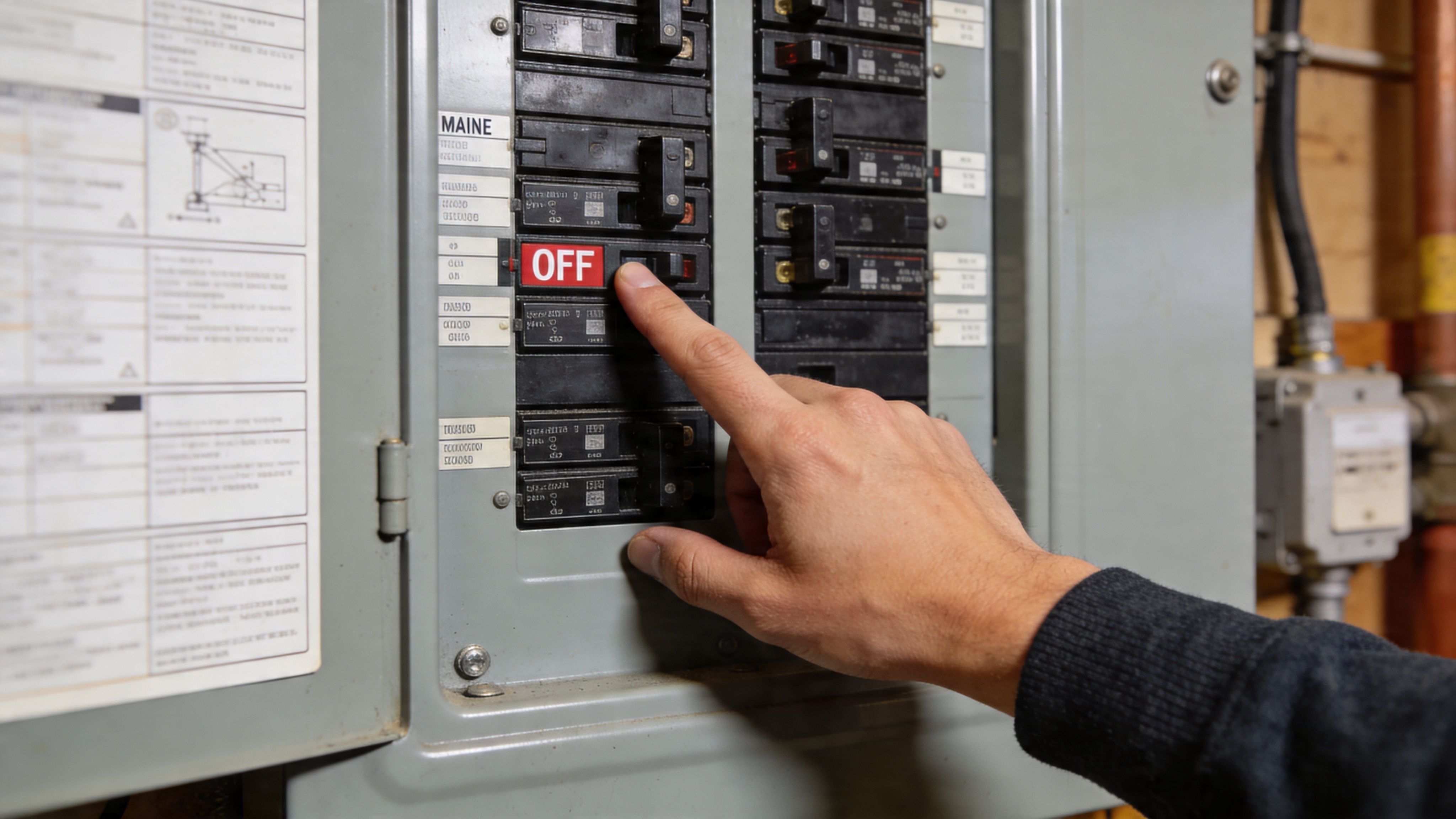
Turn power off if it’s safe to reach the switchboard.
Shut off the affected circuit if you know which one it is. If you don’t, use the main switch.
Keep clear of damaged fittings, cords, or wet areas.
Don’t touch exposed wiring, damaged outlets, or appliances that may be energised.
Unplug appliances only if the area is dry and the plug is safe to access.
If there’s heat damage, smoke, or signs of melting, leave it alone and isolate power instead.
Keep water away.
Never throw water on an electrical fire or onto a live appliance or switchboard.
Move people away from the area.
That includes children, pets, and anyone tempted to “just check it”.
Smoke from a switchboard, outlet, or appliance changes the situation immediately. Isolate power if you can do so safely. If there’s active fire, follow emergency procedures and use the right extinguisher if one is available and you know how to use it.
For a plain-language overview, this article on how to put out an electrical fire covers the key mistakes people make.
A short visual refresher helps too.
A lot of damage happens after the first fault, not during it.
A safe temporary response is still only temporary. Once the immediate danger is controlled, the fault still needs proper testing and repair before the circuit goes back into normal use.
A typical Brisbane repair call starts with a clear symptom, not a clear cause. A power point feels warm. One lighting circuit keeps dropping out. The hot water goes cold overnight. The part you can see is not always the part that failed, so the job usually begins with testing, isolation, and checking whether the fault is local or part of a bigger wiring or switchboard issue.
These are the jobs that come up again and again in houses and units:
The trade-off is simple. Swapping the obvious part might get lucky, but proper fault finding is what stops repeat call-outs and hidden heat damage.
Electric hot water faults show why diagnosis matters. In our experience, thermostat and element failures are among the most common causes of no hot water in Brisbane homes. Sometimes a repair is all that is needed. Sometimes testing shows the unit is at the end of its life and money is better spent on replacement instead of patching one failed component after another.
A licensed electrician or technician will usually check the likely failure points first:
| Problem | Likely cause | Typical repair approach |
|---|---|---|
| No hot water | Failed thermostat or element | Test components, replace faulty part, verify safe operation |
| Hot water running out fast | Heating inefficiency or partial failure | Check element performance and thermostat calibration |
| Tripping circuit | Element fault or wiring issue | Isolate supply, test resistance and associated wiring |
| Intermittent heating | Loose connection or failing control | Inspect terminations and replace worn parts |
That is why two homes with the same complaint can end up with very different invoices.
Repair cost depends on more than the replacement part. Access changes labour time. Fault finding changes labour time. So does the age of the installation and whether the problem stays in one fitting or leads back to damaged cabling, water ingress, or switchboard faults.
A straightforward outlet replacement is one kind of job. Tracing an intermittent neutral fault through an older Queenslander is another.
The graphic below gives broad cost expectations for common household jobs. Treat it as a guide, not a quote.
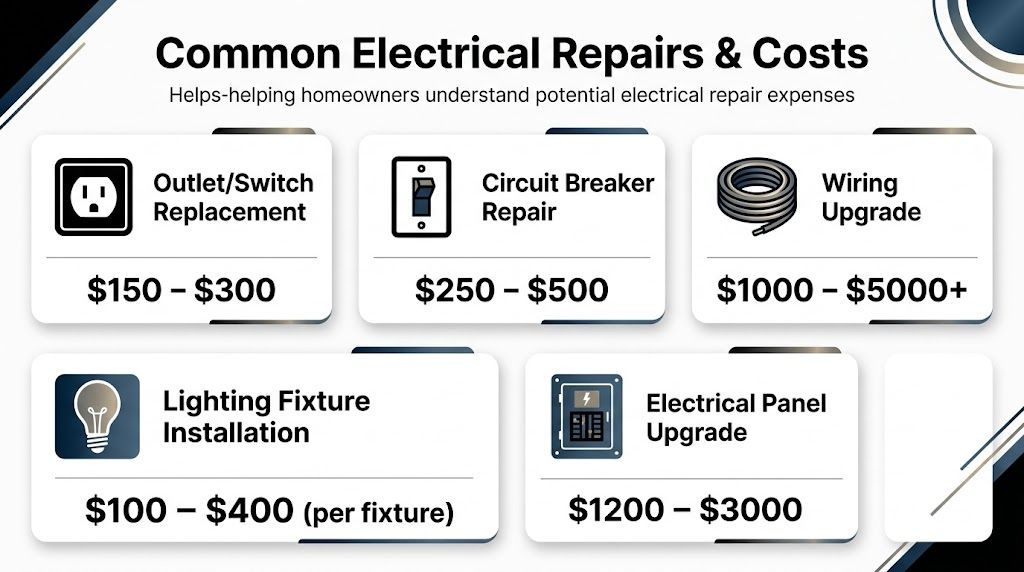
For Brisbane homeowners, read any overseas or US-dollar guide carefully. Final pricing here is usually affected by call-out conditions, testing time, compliance work, parts quality, and whether the repair can be completed in one visit.
Cost reality: The cheapest repair is often the one handled early, before heat damage spreads to nearby fittings, appliances, or the switchboard.
If you want a tighter estimate, describe the symptom clearly when booking. Say what trips, when it happens, whether rain or humidity affects it, and whether a specific appliance seems to trigger the problem. Good information at the start usually shortens diagnosis time and helps the electrician arrive with the right parts and a more realistic plan.
There’s a big difference between changing a blown lamp and carrying out electrical repairs. In Queensland, the legal line matters, and so does the safety line. Most repair work on fixed wiring, outlets, switches, switchboards, and hard-wired appliances belongs with a licensed electrician.
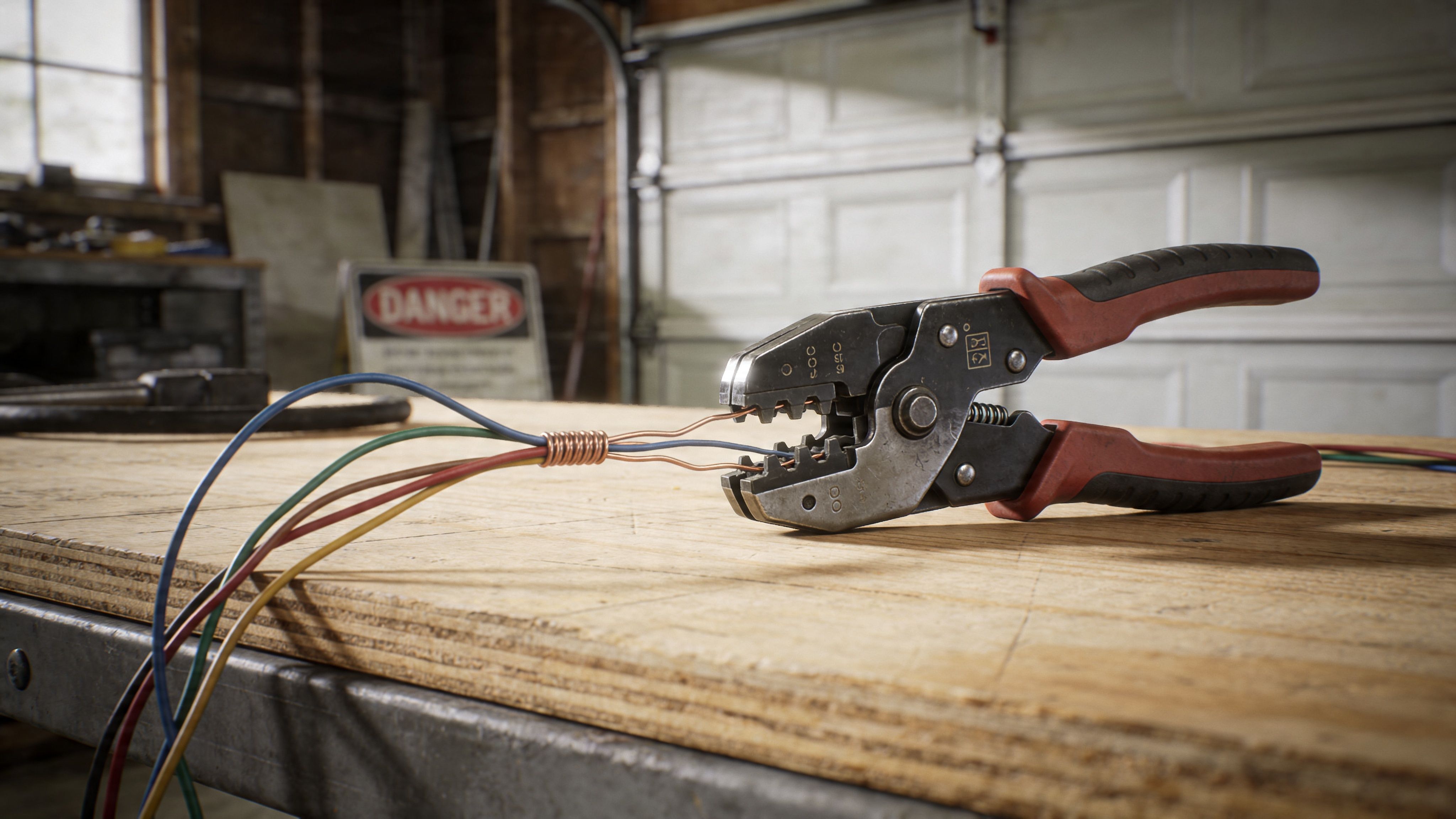
DIY work often looks simple from the outside. Remove cover. Swap part. Turn power back on. The problem is that the visible fault isn’t always the underlying fault.
A burnt outlet may be the result of a bad termination upstream. A tripping breaker might be reacting to leakage on another part of the circuit. A light fitting that “just needs replacing” may already have damaged cable, poor earthing, or moisture ingress above the ceiling.
That’s where DIY goes wrong. The symptom gets patched. The hazard stays in place.
There’s strong evidence that regulated safety upgrades and licensed electrical work improve outcomes. Safe Work Australia statistics show a 55% reduction in electrical fatalities from 2001 to 2021, and Queensland homes with upgraded switchboards experience 70% fewer shock incidents (ESFI Electrical Safety Then and Now PDF).
Those numbers line up with what electricians see on site. Homes with proper safety switches, organised switchboards, clear circuit identification, and compliant repairs are easier to troubleshoot and safer to live in.
| DIY approach | Licensed approach |
|---|---|
| Focuses on the visible symptom | Tests the circuit and confirms the cause |
| May use the wrong part or rating | Matches components to the installation |
| Can create hidden defects | Checks earthing, polarity, load, and protection |
| Leaves compliance questions unresolved | Returns the work to a legal, safer standard |
If a repair involves fixed wiring, the switchboard, a hard-wired appliance, or anything you need to isolate at the board before touching, it’s already past the DIY line.
There’s also the practical side. A poor repair can damage appliances, create nuisance tripping, and lead to the same callout later, only with more damage to sort out. Trying to save money on electrical work often becomes the expensive option.
Compliance doesn’t only matter when you sell or renovate. It matters whenever an electrical fault exposes older wiring, outdated protection, or missing safety devices. In Brisbane, that comes up often in homes that have been added to over the years without a full electrical rethink.
In suburbs such as Grange and Windsor, older homes often carry electrical systems that weren’t designed for today’s appliance load. Air conditioning, induction cooking, electric hot water, office equipment, chargers, and entertainment systems all add demand.
A licensed electrician needs to confirm the protective devices are doing what they’re meant to do. In these older Northside suburbs, RCDs must be tested to ensure they trip within the 300ms standard, and non-compliance with the Electrical Safety Act 2002 can incur fines of up to $1,500 for homeowners (DLG Electrical Northside electrician article).
A tidy switchboard isn’t the goal. A safe one is.
Look out for:
Smoke alarm compliance often gets overlooked until a tenancy, sale, or repair exposes the issue. Landlords need to be especially careful because post-repair compliance isn’t just about the electrical fault that was fixed. It can also involve whether associated safety devices remain properly tested and functional.
Good compliance work doesn’t stop at “power restored”. It checks whether the home is safer and more legally defensible after the repair than before it.
Ask three questions:
If the answer to any of those is uncertain, testing and inspection matter just as much as the repair itself.
By the time you’re calling for electrical repairs, you don’t need marketing language. You need someone who turns up, diagnoses the fault properly, explains it clearly, and leaves the place safe.
Use this short checklist before you book:
A contractor’s online presence can also tell you a lot about how organised they are. For tradies comparing what trustworthy service communication looks like, this guide to electrician website design is useful because it shows how clear quoting, service pages, and contact flow shape customer confidence before the first phone call.
Rental properties have another layer of risk. QBCC data shows over 1,200 violations in Queensland rentals last year, with 40% tied to untested smoke alarms post-repair, and landlords can face fines of up to $9,618 per non-compliant property (Humphrey Electric article).
That means the right question isn’t only “Can you fix the fault?”
It’s also:
A strong electrical service process is usually straightforward.
First, you describe the symptom clearly. Then the electrician asks the right follow-up questions, things like when it started, whether it affects one circuit or several, whether weather changes it, and whether any appliance triggers it.
On site, they should isolate safely, test methodically, and explain findings without drowning you in jargon. If the repair is simple, it gets done. If the fault reveals a bigger issue, you should get options, not pressure.
For homeowners comparing local providers, it helps to review what a Brisbane electrician offers across repairs, upgrades, and compliance work in one place, such as this electrician in Brisbane service overview.
The right electrician makes the process feel ordered. You know what failed. You know what’s been repaired. You know whether anything else needs attention. That’s what builds trust.
If you need safe, practical DLG Electrical support for electrical repairs in Brisbane, book a free quote and get clear advice from a licensed local team that handles fault finding, switchboards, hot water repairs, smoke alarm compliance, and day-to-day household electrical issues properly.

Master Electrician with over 30 years of experience. Founded DLG Electrical in 2005 after international project work including electrical installations at Stamford Bridge Stadium, London(Home of Chelsea FC).

Local Electricians that can fix all Electric Hot water Systems.
Motion sensor lights are a versatile addition to any home, offering nu
