83 Jean St, Grange QLD 4051
Mon-Fri 07:30 AM - 04:00 PM - Sat - 8:00 - 12 - Sunday Closed
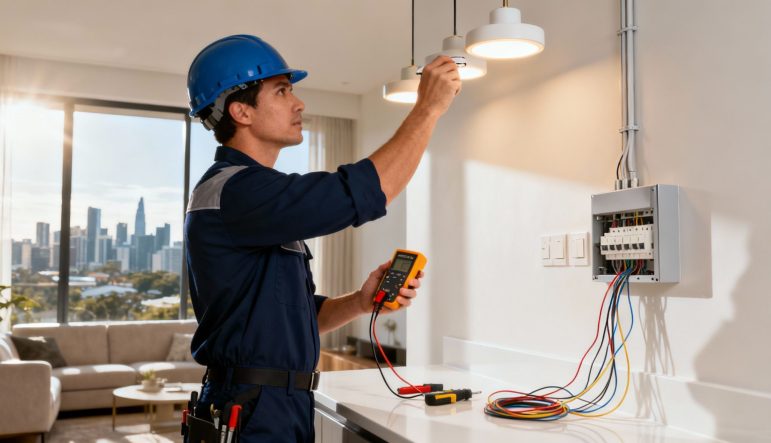
Trying to sort out electrical issues in your Brisbane home or business can feel like a maze. But the first step to finding a safe, reliable solution is simply understanding what kind of help you actually need.
Whether you’re a homeowner with a flickering light or a business needing a full-scale fit-out, knowing the right language for electrical services Brisbane experts offer is the key. It means you can ask for exactly what you need, making the whole process quicker and more cost-effective.
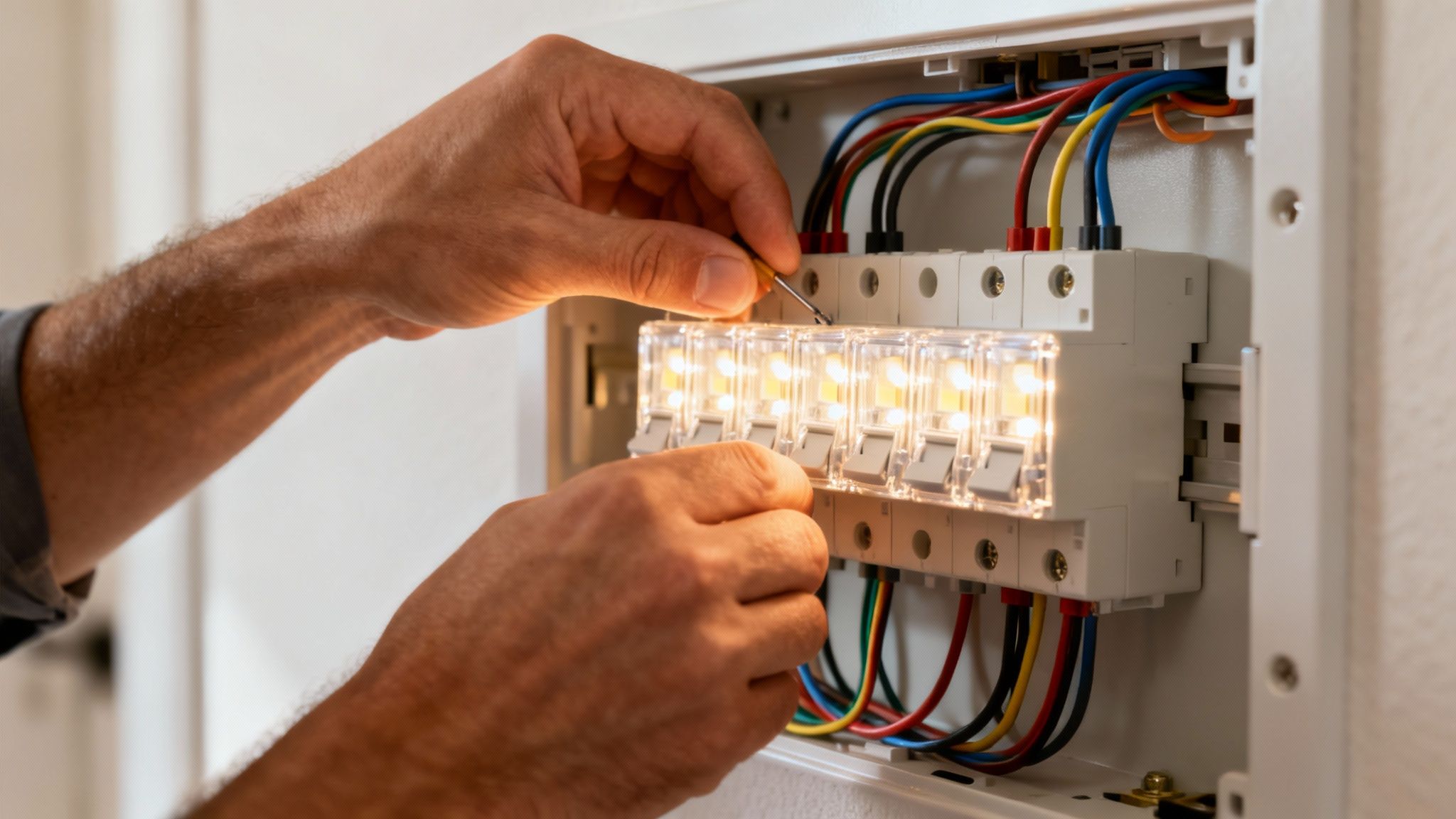
Before you pick up the phone, it helps to know what you’re talking about. The world of electrical work is massive, covering everything from swapping out a faulty powerpoint to wiring an entire commercial building. Let’s break down the most common services you’ll come across for homes and businesses around Brisbane.
To give you a quick overview, here’s a look at some of the most frequent jobs we handle.
| Service Type | Common Jobs | Best For |
|---|---|---|
| Residential Services | Switchboard upgrades, smoke alarm installation, LED lighting, fault finding, power point installation, ceiling fan installation. | Homeowners needing safety checks, energy efficiency upgrades, or general repairs and installations. |
| Commercial Services | Office fit-outs, data cabling, test and tag, preventative maintenance, thermal imaging, 3-phase power upgrades. | Businesses requiring reliable power for operations, compliance with workplace safety laws, and data infrastructure. |
| Emergency Services | 24/7 fault finding, power restoration, storm damage repair, safety switch tripping, urgent hazard resolution. | Anyone experiencing a sudden, urgent, or dangerous electrical issue that needs immediate attention. |
This table should help you pinpoint the kind of service you’re looking for, making it easier to explain your situation to an electrician.
For homeowners, electrical needs usually centre on safety, efficiency, and keeping things compliant. Modern life puts a huge strain on our electrical systems, and keeping everything up to scratch isn’t just about convenience—it’s about keeping your family safe.
A few common jobs include:
These upgrades are becoming more common as Queenslanders look to modernise their homes. According to The Queensland Household Energy Survey for 2025, there’s a huge interest in new energy tech. While many are still on the fence about big investments—with 46% of households feeling solar savings don’t justify the initial cost—smaller wins like LED conversions are a no-brainer. You can check out the full QHES report for more insights into local energy trends.
Commercial electrical work is a different beast altogether. It’s all about keeping the lights on, the data flowing, and preventing problems before they start. For a business, downtime is money lost.
Key Takeaway: For any business, proactive electrical maintenance isn’t a cost—it’s an investment in stability. It’s always cheaper to find a potential fault during a scheduled check than to deal with an emergency shutdown during business hours.
This is probably the most vital service for both homes and businesses: a 24/7 emergency electrician. Electrical faults don’t keep office hours.
It could be a total power loss, a sparking outlet, or a safety switch that just won’t stay on. Whatever it is, you need someone you can call.
Having that immediate response is the mark of a truly professional electrical service in Brisbane. It gives you peace of mind knowing an expert can be there quickly to safely fix urgent and dangerous problems, day or night. From tripped circuits to storm damage, an emergency electrician is your first line of defence.
Picking the right electrician in Brisbane goes far beyond just getting a problem fixed. It’s a decision that directly impacts the safety, compliance, and even the value of your property. With so many choices for electrical services Brisbane wide, you need a clear strategy to find a professional who is competent, reliable, and properly qualified.
Finding a sparkie you can trust starts with the non-negotiables: their credentials. In Queensland, every legitimate electrical contractor must hold a current licence from the Queensland Building and Construction Commission (QBCC). This isn’t just a piece of paper; it’s your absolute guarantee that they meet the state’s tough standards for skill, safety, and professional conduct.
Never just take their word for it. You can—and absolutely should—check an electrician’s licence yourself. It only takes a minute on the official QBCC website. A quick search will show you their licence status, history, and any disciplinary actions. If they don’t show up in the search, that’s a massive red flag. Walk away.
Just as critical is their insurance. A qualified electrician must carry Public Liability Insurance. This is your financial safety net. If something goes wrong during the job—say, faulty wiring causes a fire or your property gets damaged—this insurance covers the cost.
A common policy amount is $20 million in public liability coverage. Don’t be afraid to ask for a copy of their Certificate of Currency to prove their policy is active before any work begins. Without this, you could be left footing a massive bill for damages.
This infographic lays out the essential checks every homeowner should make.
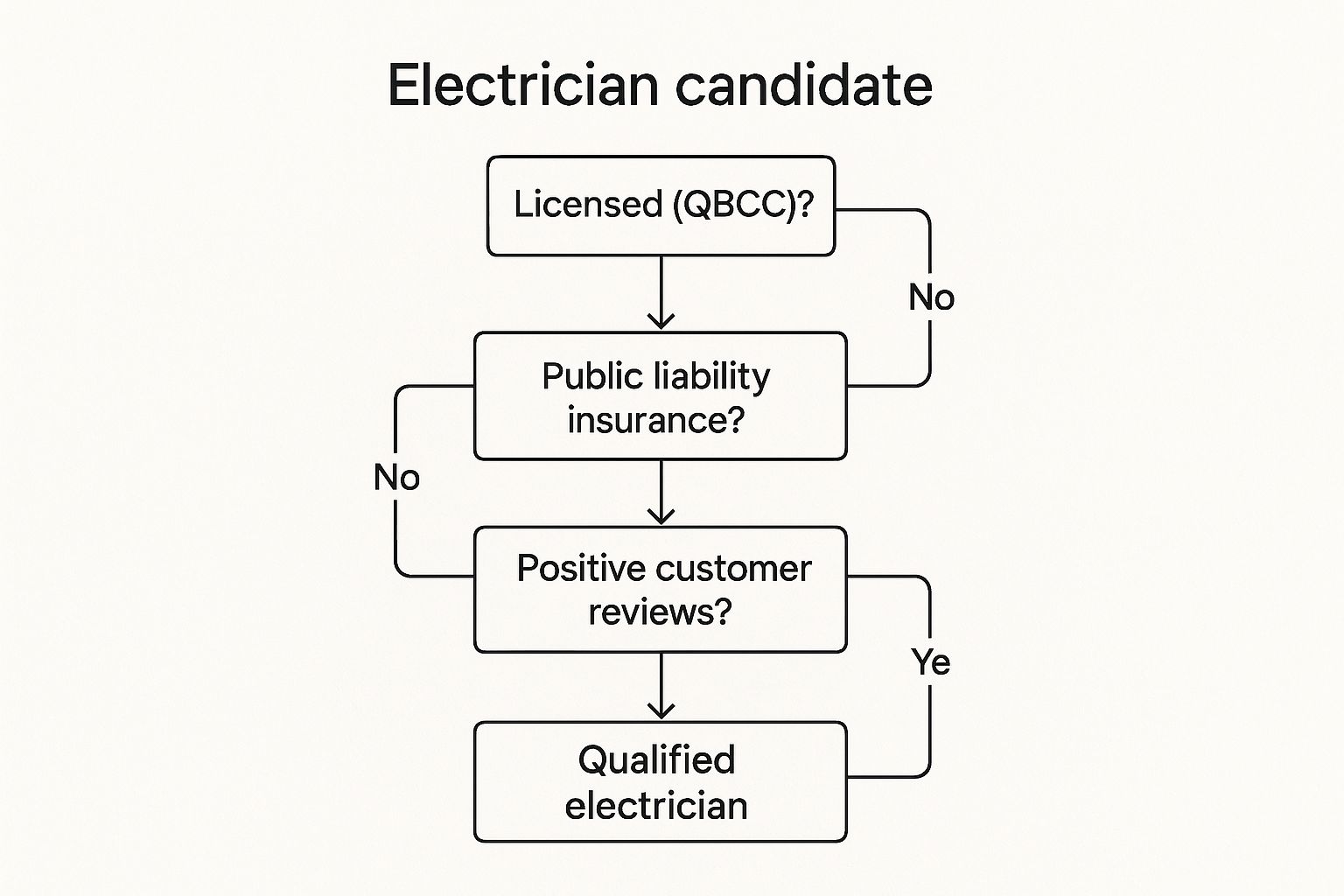
As you can see, verifying their licence and insurance is the first step. These are the foundational checks you must complete before even looking at things like reviews or quotes.
Once you’ve confirmed the essentials, it’s time to dig into their reputation. Online reviews on platforms like Google are a goldmine of information, but you have to know how to read them. Don’t just glance at the star rating; the real story is in the comments.
Keep an eye out for reviews that mention specifics:
Vague, one-line reviews like “great service” don’t tell you much. Detailed stories about how an electrician navigated a complex switchboard upgrade or patiently tracked down an intermittent fault give you a much clearer picture of their skill and customer service.
Here’s something that often gets overlooked: the immense value of hiring a sparkie with deep local experience. Brisbane’s housing stock is incredibly diverse, from historic Queenslanders in Paddington to modern new builds out in Rochedale. Each style comes with its own common electrical quirks.
An electrician who has spent years working in your suburb will be intimately familiar with these unique challenges. They’ll know the typical wiring issues found in pre-war homes, the specific smoke alarm compliance rules for local rentals, or the common power supply limitations in older neighbourhoods. This local expertise can save a huge amount of time in diagnostics and help prevent future headaches.
To learn more about what separates the pros from the pack, have a look at our guide on finding a top-tier Brisbane electrician.
This local familiarity means they can see potential problems before they happen, recommend the right solutions for your type of home, and get the job done right the first time. It’s that kind of on-the-ground experience that makes all the difference.
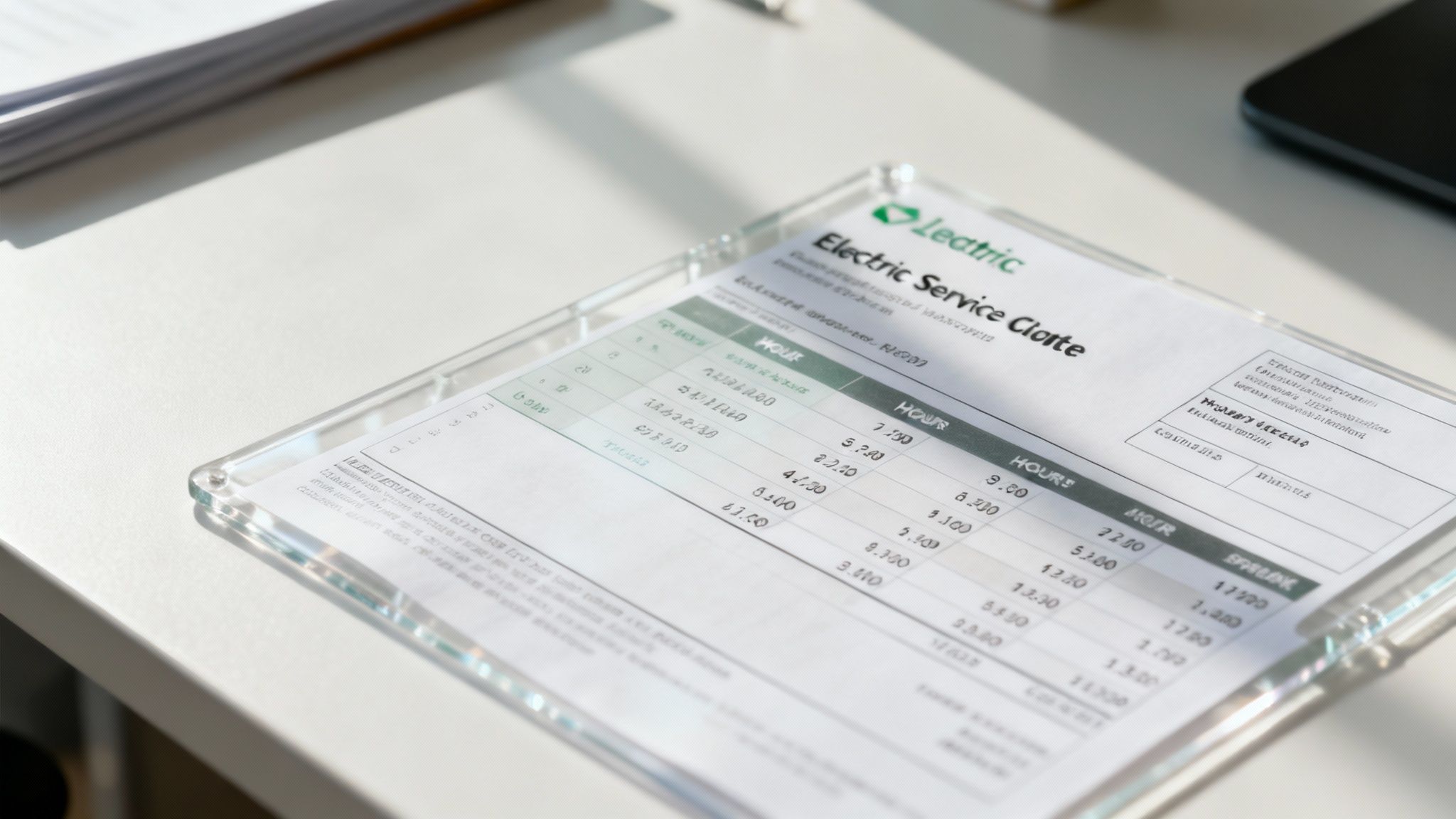
Let’s be honest, one of the biggest worries when hiring any tradie is the final bill. When you need professional electrical services Brisbane has on offer, the last thing you want are confusing quotes or nasty surprises on the invoice.
Getting your head around how electricians charge is the first step to feeling confident about the quote you’ve been given. It’s all about knowing what you’re paying for.
Most electrical work in Brisbane boils down to one of two pricing models: an hourly rate or a fixed-price quote. Neither is better than the other; it just depends on the job at hand.
A classic example of an hourly job is figuring out why a safety switch keeps tripping. It could be a faulty kettle found in five minutes, or it could be a tricky wiring issue that takes a couple of hours to track down. On the other hand, installing ten new LED downlights is a predictable task, making a fixed-price quote the logical way to go.
Pro Tip: Always clarify whether a quote is a fixed price or just an estimate based on hourly rates. A fixed price gives you budget certainty and protects you if the job takes longer than expected.
The “call-out fee” often causes a bit of confusion. It isn’t just a fee for turning up at your door. It’s a standard charge that covers the first chunk of the electrician’s time on-site (usually the first 30 to 60 minutes) plus their travel costs.
This fee ensures the electrician is compensated for their fuel, vehicle upkeep, and initial investigation time, even if the fix is quick. For after-hours emergency jobs, expect this fee to be higher—that’s just the reality of getting someone out at an unsociable hour. Always ask what the call-out fee includes before you agree to the work.
Several key factors shape the final cost of any electrical job. Understanding these will help you see why one quote might be different from another.
It’s also interesting to look at the bigger picture. While Brisbane households have a slightly lower average electricity bill—around $1,560 per year—making smart, efficient choices during electrical work can lead to even greater savings down the track.
A trustworthy electrician will always be happy to walk you through their quote, explaining every item. For a more detailed breakdown, have a look at our guide on how much electricians typically charge. Transparency is the hallmark of a true professional.
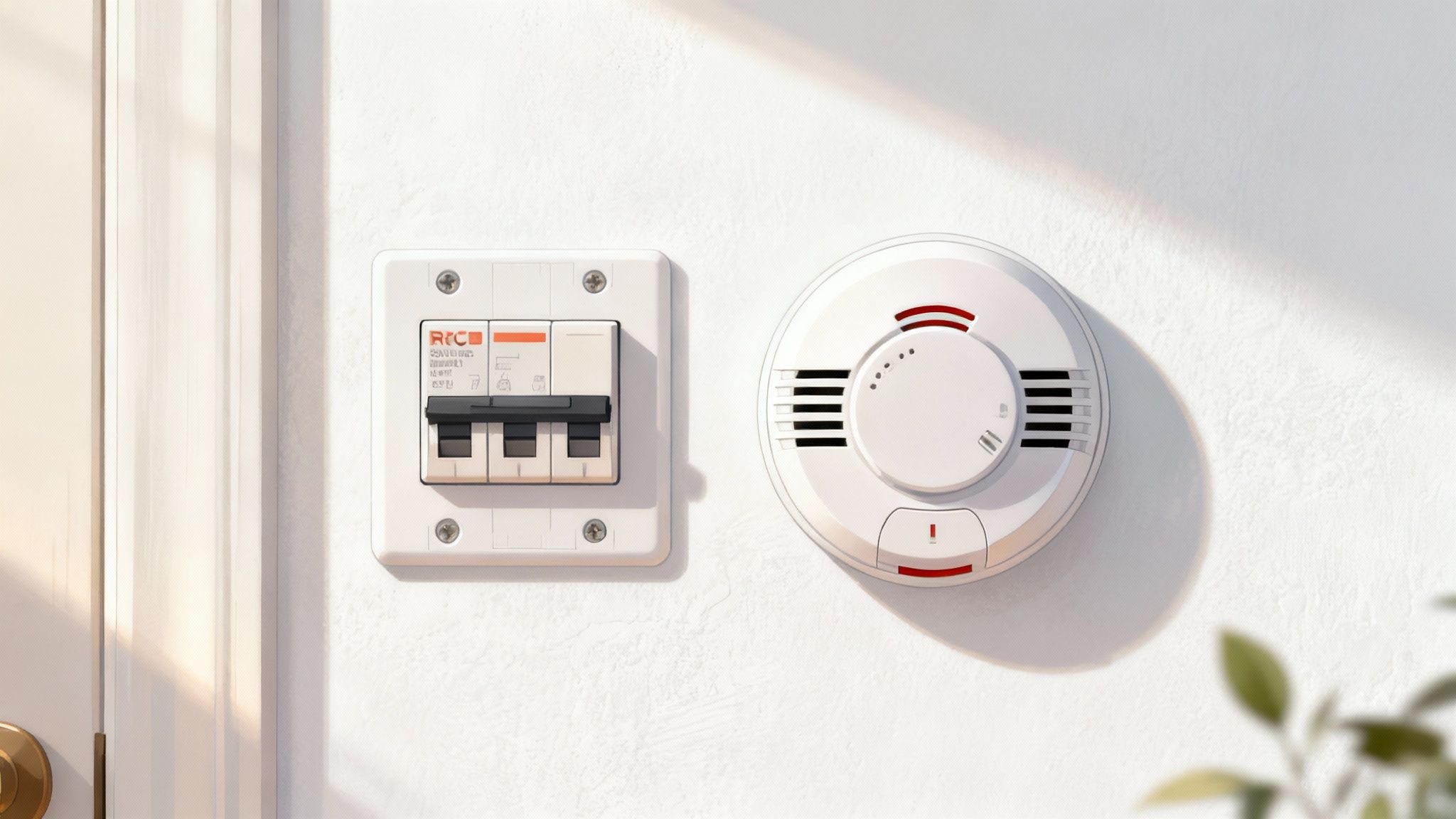
When you hire an electrician in Brisbane, you’re doing more than just getting a job done. You’re placing the safety of your home and family in their hands. That trust has to be built on a solid foundation of strict safety standards and legal compliance that every single qualified sparky must follow.
Understanding the key rules isn’t about becoming an expert yourself. It’s about knowing enough to make sure the work on your property is functional, compliant, and most importantly, safe.
Queensland’s electrical landscape is governed by a robust set of rules designed to protect you, the property owner. These aren’t just ‘nice-to-have’ guidelines; they are hard and fast legal requirements covering everything from the gear used to the paperwork you get after the job is finished. Knowing the basics helps you hold your electrician accountable.
Once most electrical installation work is wrapped up, you should be handed a critical document: the Certificate of Compliance (CoC). You might also hear it called an Electrical Safety Certificate. Think of this as your official, legal proof that the job meets all the relevant Australian Standards (AS/NZS 3000) and Queensland’s specific safety regulations.
A licensed electrician is legally obligated to give you a CoC within 30 days of completing any work that involves installing, altering, or repairing an electrical system. This covers a massive range of common jobs, from switchboard upgrades and new power points to modifying a lighting circuit.
This certificate is far more than just a piece of paper. It’s a formal declaration that the work has been tested, is safe, and is fully compliant. For homeowners, it’s vital for your insurance policy. For landlords, it’s a non-negotiable part of your legal duties.
If you don’t receive a CoC for applicable work, that’s a major red flag. It could mean the person who did the job was unlicensed, or that the installation itself is non-compliant and potentially dangerous. You can get the full rundown in our guide to understanding the Certificate of Compliance for electrical work.
Beyond the paperwork, compliance is about the tangible safety devices installed in your home. These are your first line of defence against electrical hazards, and Queensland law mandates their correct installation and maintenance.
Two of the most critical devices are:
These aren’t optional extras. Safety switches have been mandatory on all power circuits in new homes for years, and older homes often need them installed when other electrical work is carried out. The smoke alarm laws are just as strict, especially for rentals and properties being sold.
Brisbane is full of beautiful character homes, but their charm can sometimes hide outdated and dangerous electrical systems. We see it all the time—decades-old wiring, old-school ceramic fuses, and overloaded switchboards are common issues that pose a very real risk of fire or electric shock.
Common hazards to look out for in older houses include:
The only way to know for sure what’s happening behind your walls is with a professional electrical assessment. An experienced Brisbane electrician can spot these hidden dangers, recommend the right upgrades (like a modern switchboard), and make sure your classic home meets today’s stringent safety standards.
When you’re looking for an electrician in Brisbane, you’re not just hiring someone to fix a problem. You’re inviting them into your home. You need to know that the team you choose is skilled, safe, and genuinely committed to getting the job right the first time.
At DLG Electrical, we’ve spent the last 19 years building our reputation on exactly those principles. We know that trust isn’t just given; it’s something you earn with every single job, through clear communication and an absolute respect for the safety of your home and family.
Every job we touch is grounded in a non-negotiable commitment to Australian safety standards, specifically the AS/NZS 3000 Wiring Rules. Our electricians aren’t just licensed and insured—they’re seasoned professionals who understand the unique quirks of Brisbane homes, from classic Queenslanders with their original wiring to modern new builds.
This means every installation, repair, or upgrade is performed with meticulous attention to detail. We ensure all work is fully compliant, providing you with a Certificate of Compliance as your guarantee of safety and quality workmanship.
We believe that electrical safety is not just a checkbox exercise. It’s the core of what we do, ensuring every connection is secure, every switchboard is reliable, and every home we leave is safer than when we arrived.
Let’s be honest—one of the biggest worries when hiring any tradie is the final bill. That’s why we operate with complete transparency. Before we even pick up a tool, we provide clear, upfront quotes that break down all the costs, so you know exactly what you’re paying for.
There are no hidden fees or last-minute surprises. Just honest, fair pricing for top-quality electrical work. It’s a straightforward approach, and it’s a cornerstone of the trust we’ve built with the Brisbane community.
We’ve designed our services to cover every possible need, so you always have a reliable partner, no matter the challenge. Here’s a quick look at what we stand for.
| Feature | Our Commitment |
|---|---|
| Fully Licensed & Insured | Every electrician on our team is fully qualified and insured, giving you complete protection and peace of mind. |
| Comprehensive Services | From minor repairs and switchboard upgrades to full-scale commercial projects, we have the expertise to handle it all. |
| Local Brisbane Experts | With nearly two decades of local experience, we understand the specific electrical needs and challenges of Brisbane properties. |
| Emergency Response | We offer a reliable emergency call-out service because we know that urgent electrical issues can’t wait. |
| Customer Satisfaction | Our five-star Google rating reflects our dedication to exceptional service and building lasting relationships with our clients. |
The true measure of our service isn’t what we say, but what our clients experience. Not long ago, we helped a family in Paddington who were dealing with a safety switch that kept tripping at random. It was driving them crazy.
After a thorough diagnosis, we traced the fault not to a faulty appliance, but to old, degraded wiring hidden in their roof space—a common issue we see in Brisbane’s beautiful older character homes.
We carefully replaced the hazardous wiring and upgraded their switchboard. This not only fixed the tripping issue but also dramatically improved the home’s overall electrical safety. It’s this kind of diligent, problem-solving approach that defines the DLG Electrical experience. For us, it’s not just about providing electrical services in Brisbane; it’s about being the trusted, local experts our neighbours can always rely on.
Once you’ve found a great electrician, it’s pretty normal to still have a few questions. The more you understand about your home’s electrical system, the better you can keep it safe and make smart decisions down the track.
Here are some of the most common queries we get from homeowners across Brisbane, answered in plain English.
This is easily the number one question we’re asked. When your safety switch (or RCD) trips, it’s not broken—it’s actually doing its job perfectly. It has detected a tiny leak of electrical current to the earth and has instantly cut the power to prevent a potential electric shock or fire.
Nine times out of ten, the culprit is a single faulty appliance. The usual suspects include:
Before calling for electrical services in Brisbane, you can do a quick “isolation test.” Unplug everything on that circuit, reset the switch, and then plug your appliances back in, one by one. The one that makes the switch trip again is your problem appliance.
A safety switch is incredibly sensitive, designed to trip in as little as 0.03 seconds. This rapid response is what saves lives, so a tripping switch should always be investigated, never ignored. If it trips with nothing plugged in, the fault is likely in the wiring itself and needs immediate professional attention.
For many older Brisbane homes, the answer is a firm yes. If you’ve still got an old-fashioned fuse box with those ceramic fuses, it simply doesn’t offer the protection of a modern switchboard fitted with circuit breakers and safety switches.
You should seriously think about an upgrade if:
Upgrading your switchboard is genuinely one of the most important safety improvements you can make for your home.
Absolutely. While there’s an initial cost to swap to LED lighting, you’ll quickly make that money back through significant savings on your power bills. Those old halogen downlights are notoriously inefficient—they’re basically little heaters that happen to produce light.
To put it in perspective, a typical 50-watt halogen bulb can be replaced with a 7-watt LED that gives off the same amount of light. That’s an energy saving of over 85% for just one bulb. Multiply that across every light fitting in your home, and the savings really start to stack up.
Plus, LEDs last far longer. We’re talking up to 25,000 hours or more, compared to maybe 2,000 hours for a halogen. That means less money on replacement globes and fewer calls to an electrician to climb a ladder.
This is a fantastic question because many people think they’re the same thing. They’re both critical safety devices in your switchboard, but they protect you from completely different electrical faults.
| Device | Primary Function | Protects Against |
|---|---|---|
| Safety Switch (RCD) | Detects leaking current to earth. | Electric shock to people. |
| Circuit Breaker | Detects overloads and short circuits. | Fire by stopping wires from overheating. |
Here’s a simple way to think about it: a circuit breaker protects your wiring and appliances, while a safety switch protects you and your family. A modern, compliant switchboard needs both to be truly safe.
Ready to make sure your property is safe, efficient, and fully compliant? The team at DLG Electrical has been serving the Brisbane community for nearly two decades, tackling everything from minor repairs to major upgrades. Contact us today for a free, transparent quote.

Master Electrician with over 30 years of experience. Founded DLG Electrical in 2005 after international project work including electrical installations at Stamford Bridge Stadium, London(Home of Chelsea FC).

Local Electricians that can fix all Electric Hot water Systems.
Motion sensor lights are a versatile addition to any home, offering nu
