83 Jean St, Grange QLD 4051
Mon-Fri 07:30 AM - 04:00 PM - Sat - 8:00 - 12 - Sunday Closed
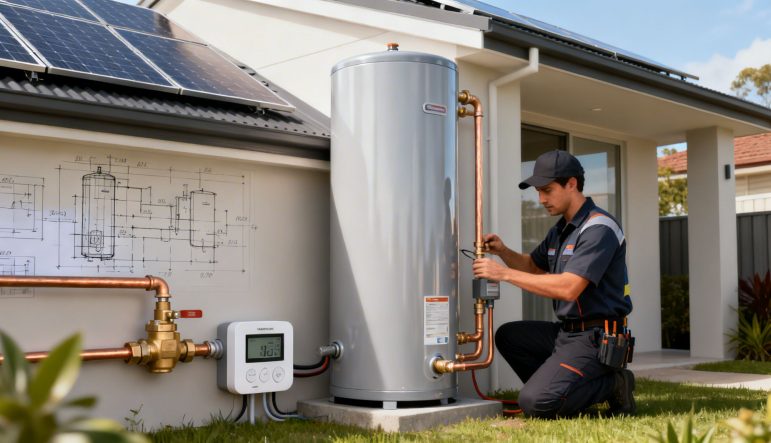
So, you’re looking at a new hot water system in Brisbane and wondering what it’s going to cost. Let’s get right to it. You can expect to pay anywhere from $1,000 for a basic electric model to over $7,000 for a top-of-the-line solar setup, fully installed by a professional. The final figure really comes down to the type of system you choose, its size, and how tricky the installation is at your place.
Understanding the full cost of a new hot water system is the first step to making a smart decision for your home or business. It’s not just the price tag on the unit itself. The total cost is a package deal: the system, the professional labour to install it, and all the necessary compliance checks to make sure it’s safe and legal.
Think of it like buying any major appliance. You’ve got your budget-friendly option (electric), an efficient mid-range choice (gas), and the premium, long-term investment that pays you back over time (solar or a heat pump). Each one has its place, depending on your family’s daily hot water needs, your property, and what you’re looking to spend both now and in the future.
This chart gives you a quick visual on how the upfront costs stack up against each other.
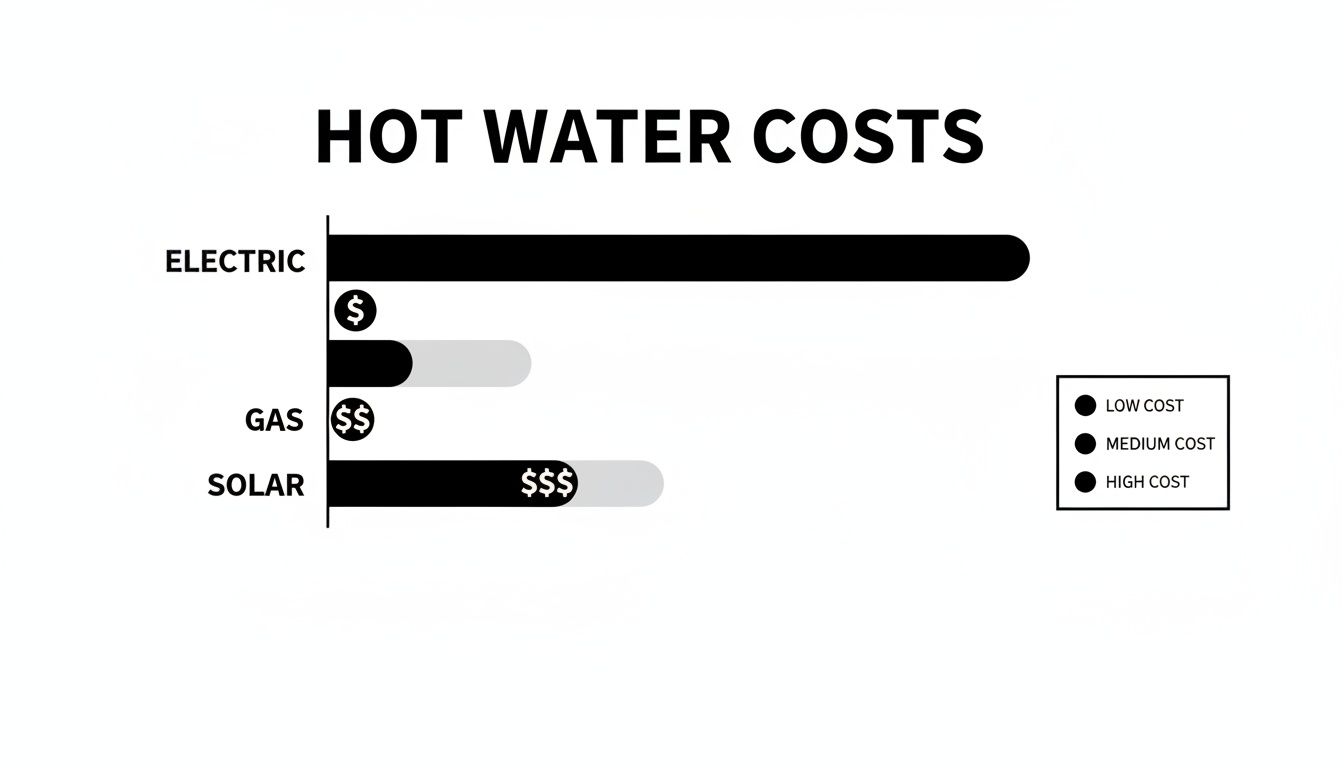
As you can see, the traditional electric systems have the lowest barrier to entry, while advanced options like solar require a higher upfront investment. But as we’ll see, the initial price is only part of the story.
To help you get a clearer picture and budget effectively, we’ve put together a quick-reference table. It breaks down the estimated upfront costs for 2026, typical running expenses for a family, and which households each system is best suited for here in Brisbane. This should help you cut through the noise and see which options align with your budget and lifestyle.
The key is finding the right balance. A lower upfront cost might mean higher running bills down the track, whereas a bigger initial investment can lead to serious long-term savings—especially with Brisbane’s energy prices always on the move.
The table below gives you a straightforward comparison. If you want to dive deeper into what makes up the final invoice, our detailed guide on the factors affecting the cost to install a hot water system is a great next step.
| System Type | Typical Installed Cost (inc. unit) | Average Annual Running Cost (Family of 4) | Best For |
|---|---|---|---|
| Electric Storage | $1,000 – $2,000 | $600 – $900 | Budget-conscious buyers, rental properties, and fast, simple replacements. |
| Gas (Instant/Storage) | $1,200 – $3,500 | $400 – $600 | Larger families who use a lot of hot water and want it on demand. |
| Solar | $3,000 – $7,000 (after rebates) | $200 – $350 | Eco-conscious homeowners looking for the biggest long-term savings on bills. |
| Heat Pump | $2,500 – $5,000 (after rebates) | $300 – $500 | Energy-efficient homes where rooftop solar panels aren’t a practical option. |
Ultimately, the cheapest system to buy isn’t always the cheapest to own. By looking at both the installation price and the ongoing running costs, you can make a choice that works for your wallet today and for years to come.
For many Brisbane homeowners and landlords, the classic electric storage hot water system is the tried-and-true workhorse. Its main drawcard is simple: it has the lowest upfront purchase and installation cost, making it an incredibly popular choice for anyone on a tight budget or needing a fast, no-fuss replacement.
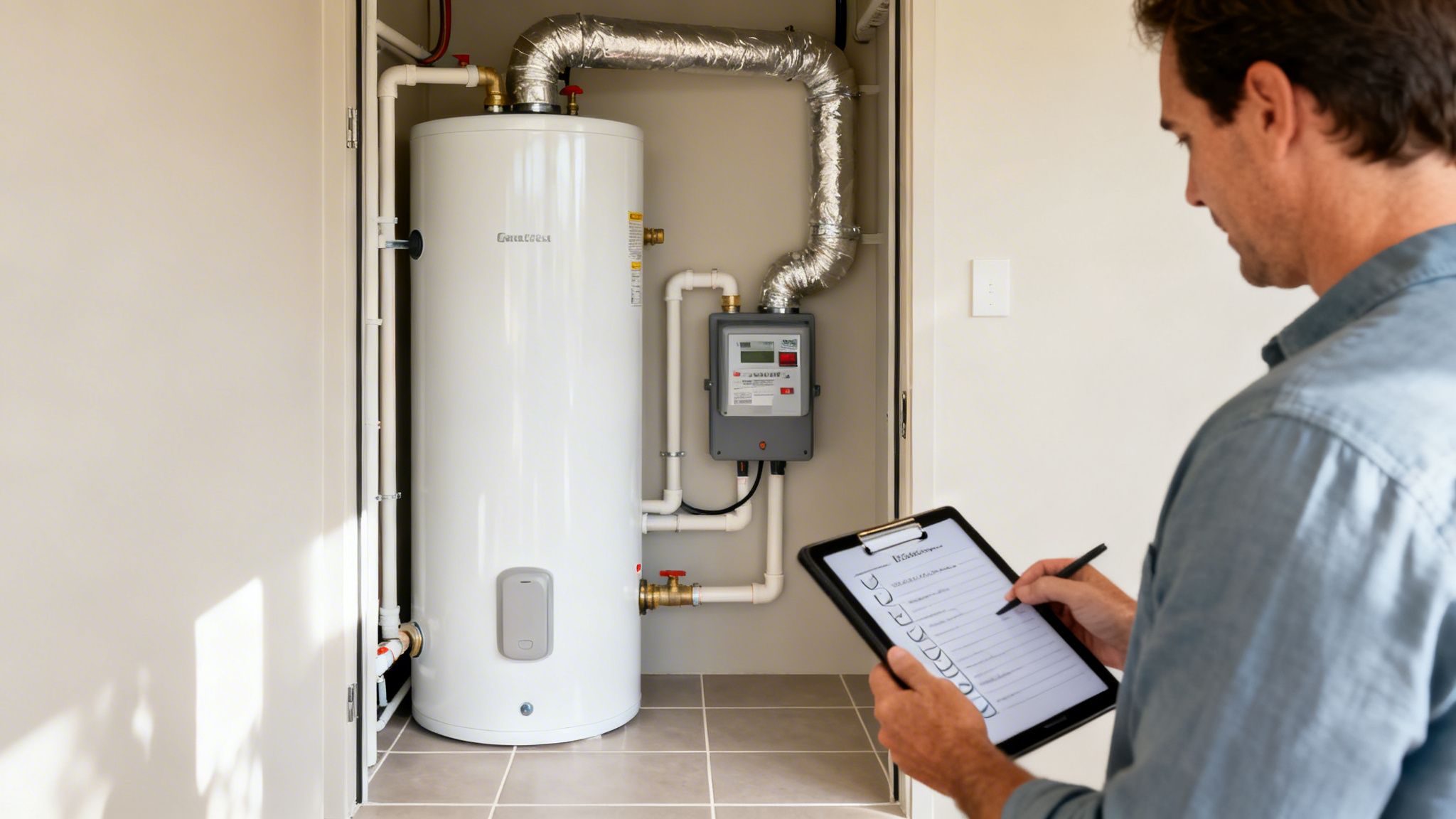
Think of it as the most direct path to getting your hot water running again. When an old unit gives up the ghost—something we see all the time with systems over ten years old—the number one priority is usually speed and affordability. An electric system ticks both boxes, offering a reliable solution without the bigger initial investment of gas or solar.
So, what are you actually paying for? The total price to get an electric storage system installed in Brisbane is a mix of the unit itself, the skilled labour to fit it, and the essential materials needed to connect everything safely and compliantly.
For a typical Brisbane household, the total bill for a fully installed electric system is often thousands of dollars less than the alternatives. Based on 2026 data, the average cost to install a new electric storage hot water system in Brisbane sits between $1,000 to $2,000. This makes it the most budget-friendly choice if you need to replace an old unit without a massive financial shock. This price range covers the unit, labour, and basic materials, cementing its place as the most accessible option on the market. For more cost insights, check out the detailed guide over at Crew Plumbing.
Now for the catch. The biggest drawback of a standard electric system is its running cost. At its core, the system works like a giant kettle, using a powerful electric element to heat and store a full tank of water. This can be pretty inefficient and lead to some eye-watering power bills. For a family of four, you could be looking at annual running costs between $600 and $900.
However, there are smart ways to get this expense under control, especially here in Brisbane.
A professional electrician can connect your system to an off-peak electricity tariff. This simple change allows your system to heat water overnight when electricity rates are much lower, potentially cutting your water heating costs by up to 50%.
Getting your system wired to an off-peak tariff—like Tariff 31 or Tariff 33 here in Queensland—is the single best strategy for slashing the running costs of an electric storage unit. It’s not a DIY job; it requires a licensed electrician to run a dedicated circuit from your switchboard that’s controlled by your energy provider.
It’s a fantastic solution for budget-conscious families. You still get the huge benefit of a low upfront purchase price, but you actively keep the long-term running expenses in check. This approach strikes a great balance between initial affordability and ongoing savings.
A professional installation from a team like DLG Electrical ensures your system is not only wired correctly for these tariffs but also complies with all local regulations. This prevents future headaches and guarantees you’re getting the most efficient performance from day one.
Is there anything more frustrating than the hot water cutting out mid-shower? For larger Brisbane families or anyone with high water demands, a gas hot water system is often the perfect fix. Unlike electric storage tanks that can—and do—run empty, gas systems provide a continuous, seemingly endless supply, especially the instantaneous models. They’re ideal for households where multiple taps are often running at once.
This on-demand capability is a real game-changer. Imagine running the dishwasher and a load of washing while someone enjoys a long, hot shower, all without a single drop in temperature. This is the key advantage gas systems bring to busy homes, solving one of the most common household headaches.
When you start looking into the new hot water system cost for gas, you’ll find two main types. Each one serves a different need, and knowing the difference is vital to making the right choice for your home.
For most Brisbane homes connected to the natural gas network, an instantaneous system strikes the best balance between performance and long-term value. If you’re not on the mains grid, LPG (liquefied petroleum gas) bottles are a perfectly workable alternative. For those exploring all their options, understanding different configurations like a combi boiler system can also provide useful context for your decision.
Right off the bat, you’ll notice the total installed cost for a gas system is generally higher than a basic electric unit. This is because the installation is more complex. It requires not just a licensed electrician but also a licensed gas fitter to make sure everything is connected safely and is fully compliant.
A professional installation is non-negotiable. This isn’t just about hooking up the unit; it’s about ensuring proper ventilation, checking gas line integrity, and handling all the electrical safety measures. It’s what protects your family and your investment.
In Brisbane, gas hot water is becoming more and more popular, especially as the natural gas network now covers around 70% of suburbs. Our 2026 data shows that installed costs are averaging between $1,200 and $3,500. The units themselves range from $750 to $2,200, with installation making up the remaining $450 to $1,300. The real win, however, is the lower running expense. Annual costs for a family of four can drop to just $400-$600—a saving of 30-40% compared to a standard electric system. You can explore more of these cost-saving insights from Same Day Hot Water Service.
While the initial new hot water system cost is higher, the payback is clear. The significant drop in running costs means a gas system often pays for itself within just a few years. For a typical Brisbane family, this can easily translate to hundreds of dollars saved on energy bills every single year.
A professionally installed gas system also adds tangible value to your property. It’s a feature that potential buyers look for, particularly families who understand the benefit of never running out of hot water. This is where choosing a comprehensive installer like DLG Electrical becomes crucial. Our team coordinates the entire project from start to finish, managing both the specialised gas fitting and all the electrical work to ensure a seamless, safe, and fully compliant installation.
If you’re a savvy Brisbane homeowner, you’ve probably heard about solar and heat pump systems. They’re often hailed as the gold standard for hot water, and for good reason. While they do have a higher initial price tag, thinking of them as just another “cost” really misses the point. These systems are a powerful long-term investment, specifically designed to slash your energy bills and pay for themselves over time.
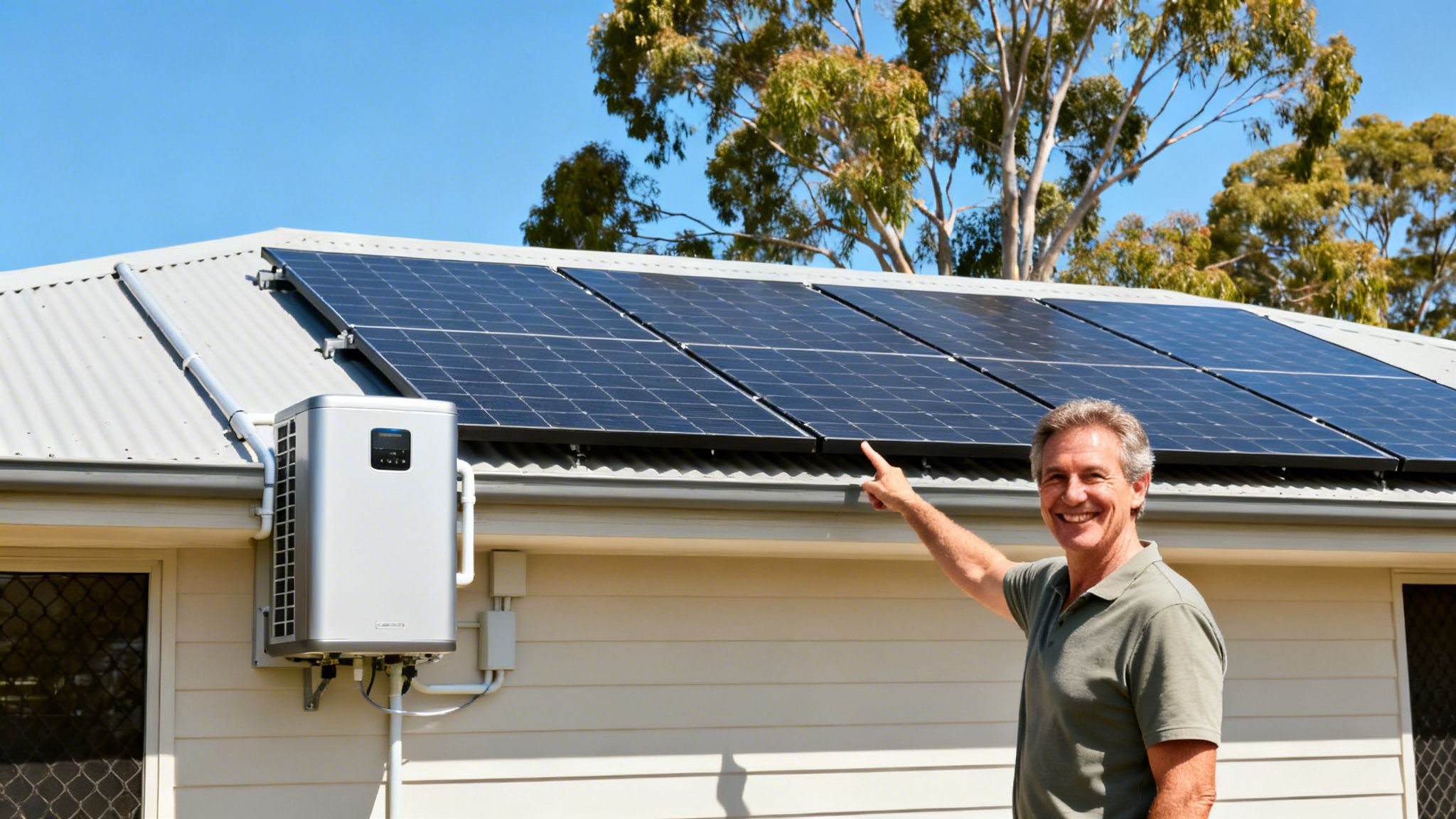
This is especially true right here in Brisbane. We’re blessed with over 300 days of sunshine a year, making it the perfect place to harness this free, abundant energy. It’s the key to unlocking massive long-term savings and achieving genuine energy independence.
The concept behind a solar hot water system is brilliantly simple. It uses collectors on your roof to capture the sun’s warmth, which then heats the water stored in a tank. For those cloudy days or when you have extra guests, a gas or electric booster kicks in to make sure you never run out.
The biggest win here? The incredibly low running costs. By letting the sun do most of the heavy lifting, you can slash your water heating expenses by up to 70% compared to a standard electric system.
A heat pump is another incredibly efficient option, often described as a “solar system without the panels.” Instead of creating heat directly, it cleverly moves it from one place to another. Think of it like a refrigerator running in reverse—it pulls ambient heat from the surrounding air and uses it to heat the water in the tank.
This process is remarkably efficient, using about a third of the electricity of a conventional electric storage heater. They are a fantastic choice for properties where rooftop panels just aren’t practical due to shading, heritage listings, or limited space. To really get your head around the magic behind them, it’s worth understanding how a heat pump works.
The main thing homeowners need to consider is the initial new hot water system cost. So, let’s break down what you can expect to pay for a fully installed system in Brisbane:
It’s crucial to see these figures not as an expense, but as an investment with a clear return. In Brisbane’s sunny climate, a solar hot water system is a particularly strong performer. You’ll get it installed for between $3,000 and $7,000 (after rebates), but it delivers the lowest running costs around at just $200-$350 annually. With the right setup, you could see a return on your investment in as little as 4-6 years through pure energy savings.
The higher upfront cost is significantly softened by government incentives. Small-scale Technology Certificates (STCs) can reduce your initial outlay by hundreds of dollars, making these advanced systems far more accessible than their sticker price suggests.
A professional installer like DLG Electrical will handle the entire process, including applying for these rebates on your behalf. This ensures you get the maximum financial benefit without getting bogged down in paperwork.
Beyond the bill savings, these systems add real, tangible value to your property. They are a huge selling point for potential buyers who recognise the long-term benefits of lower energy bills and a smaller carbon footprint. Installing a solar or heat pump system is a forward-thinking move that pays you back financially, enhances your property’s appeal, and helps you achieve your sustainability goals.
The sticker price of a new hot water system is just one piece of the puzzle. To really get a handle on the total cost, you need to be aware of the other potential expenses that can pop up during installation.
Think of it like buying a car – the advertised price is for the base model, but extras like a towbar or roof racks will add to the final bill. These aren’t ‘hidden’ fees; they’re necessary parts of a safe, compliant, and efficient setup.
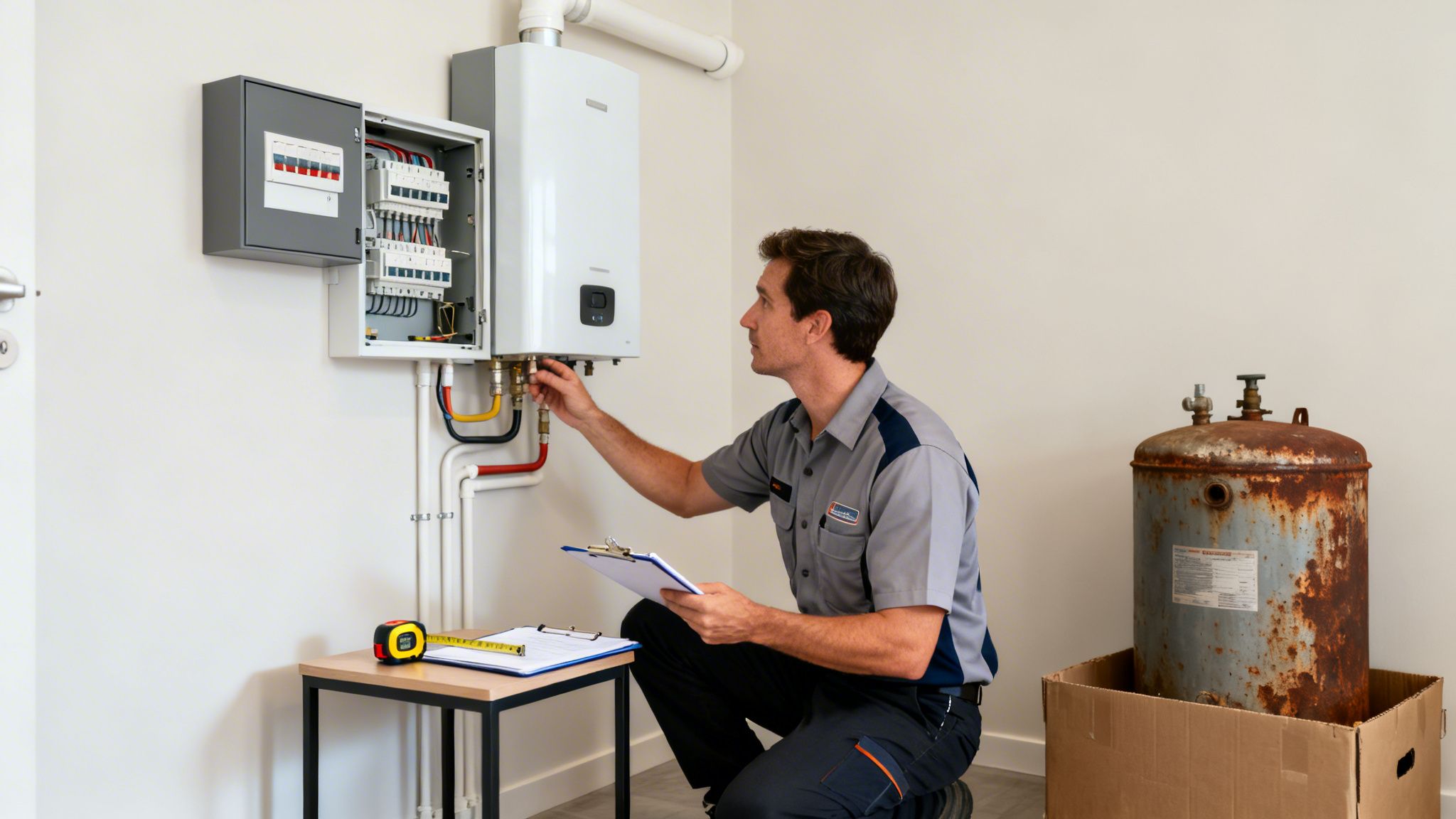
Understanding these variables upfront gives you confidence that you’re getting a complete quote with no nasty surprises down the track. A trustworthy contractor will always walk you through these possibilities before starting work.
So, what are these potential extras? They often relate to bringing your home’s existing infrastructure up to scratch to support a modern system or changing where the unit lives.
The electrical side of things is particularly important for homeowners in older properties. You can learn more about what’s involved by reading our guide on the cost of an electrical switchboard upgrade.
To help you budget, here’s a quick breakdown of some common additional services you might need. Remember, these are ballpark figures and will vary based on the specifics of your property.
| Additional Service or Item | Typical Cost Range (2026) | When It Might Be Required |
|---|---|---|
| New Dedicated Electrical Circuit | $250 – $450 | Required for most new electric storage or heat pump systems. |
| Switchboard Upgrade | $800 – $2,500+ | If your current board is old, lacks safety switches, or has no space. |
| Tempering Valve Installation | $200 – $350 | Mandatory on all new installations to prevent scalding. |
| Concrete Slab or Base | $150 – $300 | If the new system is being relocated to an unstable or unpaved area. |
| Pipework Modifications/Relocation | $300 – $800+ | When moving the system or switching types (e.g., from storage to instant). |
| Removal of Old System | $100 – $200 | If not already included in the main installation quote. |
| Gas Line Installation/Upgrade | $400 – $1,000+ | When installing a new gas system where one didn’t exist before. |
A good installer will assess your home and tell you exactly which, if any, of these you’ll need before they start. This transparency is key to avoiding budget blowouts.
It can be tempting to look for ways to cut corners, but these additional tasks are absolutely critical for safety and performance. An overloaded, outdated switchboard is a serious fire hazard. Improperly run pipework can lead to leaks, expensive water damage, and mould.
Even worse, a non-compliant installation can void your home insurance and the manufacturer’s warranty on your brand-new system. It’s just not worth the risk.
Think of these extra costs as an investment in your home’s safety and the long-term health of your new hot water system. Getting it done right the first time by a professional saves you from far more expensive and dangerous problems down the road.
A comprehensive quote from an expert team like DLG Electrical will always account for these potential needs. By assessing your property thoroughly, we provide a clear and honest breakdown of the total new hot water system cost, ensuring the price we quote is the price you pay. This transparency is the hallmark of a reliable local contractor committed to your safety and satisfaction.
You’ve done the homework. You know the difference between electric, gas, solar, and heat pump systems. You’ve weighed the upfront purchase price against the long-term running costs, and you’ve got a handle on the factors that can shift the final price.
But theory is one thing—a firm, real-world price is another. The next step is to move from estimated costs to a clear, accurate quote tailored specifically to your home. That’s how you get the confidence to make the right decision.
At DLG Electrical, we make getting a no-obligation quote simple. We’re a family-owned Brisbane business with over 19 years of hands-on experience, and we’ve built our five-star reputation on three things: honesty, reliability, and fair pricing. We’re all about getting the job done right the first time.
When you call us, having a few details ready helps us give you the most accurate estimate right from the start. It lets us get straight to the point and build a quote that truly reflects your situation, with no nasty surprises down the track.
Before you get in touch, try to have this info handy:
With these details, our team can put together a comprehensive quote that covers everything. Choosing a fully licensed and insured team like DLG Electrical is the best way to protect your investment. If you’re interested in what makes a great sparkie, you can learn more about finding the right Brisbane electrician for your needs in our other guide.
Choosing a local, reputable expert means you’re not just getting an installer; you’re getting a partner committed to your home’s safety and your long-term satisfaction. It’s about ensuring peace of mind from the initial quote to the final handshake.
Ready to sort out your hot water? Reach out today. We make it easy to connect and book your free quote, so you can move forward with confidence.
Choosing a new hot water system is a big decision, and it’s completely normal to have a few questions before you commit. To help you feel confident in your choice, we’ve put together answers to some of the most common queries we get from Brisbane homeowners.
Think of this as a final check-in to clear up any lingering doubts and get you ready for a smooth, hassle-free installation.
This really depends on the job. A straightforward, like-for-like swap—say, replacing an old electric storage tank with a new one in the same spot—is pretty quick. A professional team can usually have the old unit out and the new one running in just 2 to 4 hours.
However, if you’re making a bigger change, the timeline will stretch. Switching from an electric system to gas, installing a full solar hot water setup with collectors on the roof, or moving the unit to a completely new location can easily take up a full day. Any good contractor will give you a clear time estimate with their quote so you know exactly what to expect.
Your hot water system will almost always give you a heads-up that it’s on its last legs. Catching these signs early can save you from the major headache of a sudden failure, not to mention the potential water damage.
Keep an eye out for these classic red flags:
Most hot water systems in Australia last about 10 to 12 years. If your unit is in that age bracket and showing any of these signs, it’s time to start planning for a replacement before it fails on its own terms.
Absolutely. This is one of the most common upgrades we do for Brisbane homeowners who are keen to slash their running costs. Moving from an old, inefficient electric system to a modern gas, solar, or heat pump model is a brilliant way to lower your power bills.
Just be aware that this kind of switch is a bit more involved than a simple replacement. For a gas conversion, you’ll need a licensed gas fitter to run new pipework. For solar, you’ll need a team that can handle both the plumbing and the rooftop panel installation. It’s a bigger project, but the long-term savings on your new hot water system cost nearly always make it a smart investment.
Yes, there are still great incentives that can take a serious chunk out of the upfront cost of an energy-efficient system. The main one comes from the federal government’s Small-scale Renewable Energy Scheme, which works by issuing Small-scale Technology Certificates (STCs).
Here’s how it works: when you install an eligible system, like a solar or heat pump hot water unit, you generate a number of these certificates. Your installer will almost always handle claiming these for you and give you an immediate discount on the final invoice. This discount can easily be several hundred dollars, making the jump to a more efficient system much more affordable for Brisbane families.
Ready to get a clear, no-surprise quote for your new hot water system? The expert team at DLG Electrical is here to help. With over 19 years of experience serving Brisbane, we provide reliable installations and honest, practical advice. Contact us today for your free, no-obligation quote.

Master Electrician with over 30 years of experience. Founded DLG Electrical in 2005 after international project work including electrical installations at Stamford Bridge Stadium, London(Home of Chelsea FC).

Local Electricians that can fix all Electric Hot water Systems.
Motion sensor lights are a versatile addition to any home, offering nu
