83 Jean St, Grange QLD 4051
Mon-Fri 07:30 AM - 04:00 PM - Sat - 8:00 - 12 - Sunday Closed
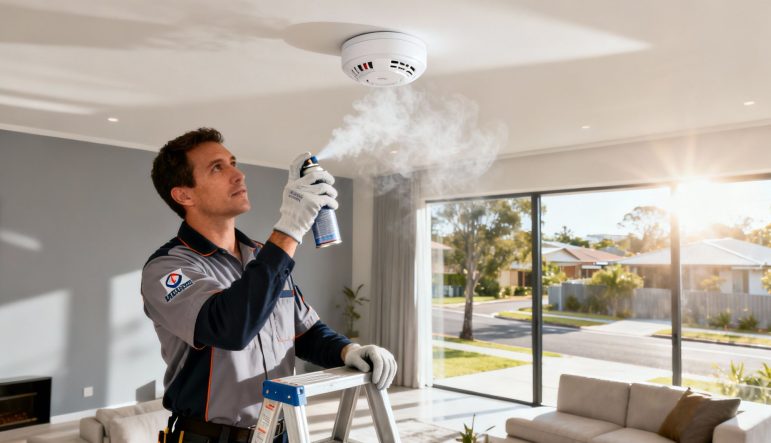
Smoke alarm testing isn’t just about pushing a button. It’s a comprehensive service where a qualified electrician inspects your alarms to make sure they’re not just making noise, but are actually capable of saving lives. A professional check verifies everything from sensor accuracy to battery health, ensuring your first line of defence against a house fire is rock-solid.
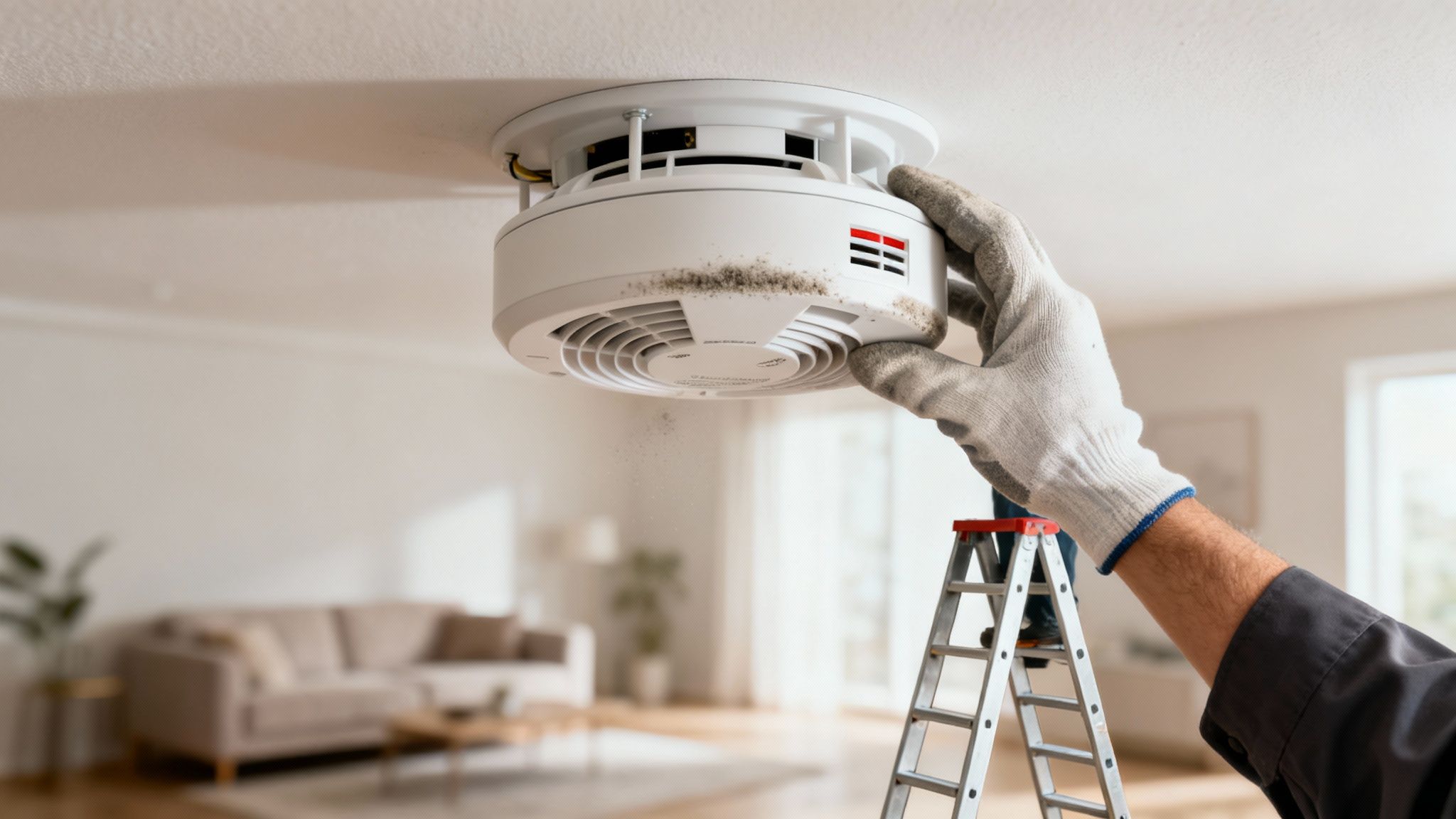
Trusting an untested smoke alarm is like relying on a seatbelt you suspect is faulty—it gives you a false and incredibly dangerous sense of security. The stakes are just too high to leave it to chance. While that quick DIY button press confirms the siren works, it tells you absolutely nothing about the most important part: the sensor that actually detects smoke.
That’s where a professional technician from DLG Electrical comes in. We go much deeper. Our team uses specialised tools to simulate real smoke, confirming the sensor is responsive and hasn’t been compromised by dust, insects, or simple old age. We also check the expiry dates—every smoke alarm has a 10-year lifespan, and after that, its ability to detect a fire drops off a cliff.
The gap between a quick button check and a professional service is massive. An expert ensures your alarms are correctly placed to give you the earliest possible warning, a crucial detail that’s so often missed in DIY setups. This thorough approach is what provides genuine peace of mind, knowing your safety system is fully operational and ready to act.
Sadly, many properties don’t even have this basic protection. Alarming statistics from Western Australia’s DFES revealed that in over 1,100 structure fires, smoke alarms were fitted in less than 43% of the properties. That means more than half of these homes were completely unprotected. You can explore the full DFES report on fire preparedness here.
A working smoke alarm is a non-negotiable part of home safety. Professional testing ensures it performs its life-saving duty without fail when seconds count the most.
To truly grasp the difference, it helps to see what each approach really covers.
Understanding the crucial differences between a basic button test and a comprehensive professional inspection.
| Benefit | DIY Check Limitation | Professional Service Advantage |
|---|---|---|
| Sensor Functionality | Only tests the battery and siren. | Uses simulated smoke to verify the sensor’s ability to detect a real fire. |
| Compliance & Placement | Cannot confirm legal compliance or optimal placement for early detection. | Ensures alarms meet QLD laws and are positioned for maximum effectiveness. |
| Expiry & Condition | Easily overlooks expiry dates and internal faults. | Checks for expiry, cleans units, and identifies potential points of failure. |
As you can see, a professional service isn’t just a “check-up”—it’s a complete safety audit that a simple DIY test can never replicate.
Trying to make sense of legislation can feel like wading through mud, but Queensland’s smoke alarm laws are actually quite straightforward once you break them down. They’re some of the strongest in Australia for one simple reason: to give people the earliest possible warning of a fire and save lives. For homeowners, landlords, and tenants, knowing these rules isn’t just about ticking a compliance box—it’s about basic safety.
The legislation is built around three core pillars, all working together to create a powerful safety net in every home. Think of it like a three-legged stool; take one leg away, and the whole system becomes wobbly and unreliable.
These three requirements are designed to make your smoke alarms work as a single, cohesive system, giving you and your family the best possible protection.
Photoelectric Alarms: Queensland law specifically mandates photoelectric smoke alarms. Unlike the older ionisation models, photoelectric alarms are much, much better at detecting slow, smouldering fires—which are the most common and deadliest type of house fire. They effectively “see” the smoke, which can give you precious extra minutes to get out safely.
An Interconnected System: Every smoke alarm in your home must be interconnected. This is a game-changer. It means that when one alarm detects smoke, every single alarm in the house goes off at the same time. A fire starting in the kitchen will trigger the alarm in a bedroom at the other end of the house, waking everyone up instantly.
10-Year Sealed Battery: Alarms have to be powered either by a non-removable, 10-year lithium battery or be hardwired directly into your home’s electrical system. This completely removes the risk of someone forgetting to replace a dead battery—or worse, pulling it out to stop a nuisance alarm—guaranteeing a full decade of uninterrupted protection.
Getting the specifics right is critical. For a more detailed breakdown, feel free to check out our complete guide on Queensland smoke alarm laws.
How the laws affect you depends on your property and your role. Compliance isn’t optional, and the deadlines have set clear obligations for everyone involved.
For landlords and rental properties, the rules are particularly strict. A professional, like one of our electricians at DLG Electrical, must install and test compliant interconnected photoelectric alarms within 30 days of any new lease starting, and then annually after that. This makes sure every tenant is protected from day one of their tenancy.
For homeowners, any alarm you replace must be an upgraded, compliant photoelectric model. If you’re selling your property, you’re required to ensure the entire system is upgraded to meet the full interconnection standard before the sale settles.
Don’t make the mistake of thinking this is just red tape. Failing to comply isn’t just a safety gamble; it comes with serious financial penalties. You could face hefty fines, but even worse, it could give your insurance company grounds to deny a claim if a fire occurs, turning a tragedy into a complete financial disaster.
At the end of the day, these laws are here to prevent tragedies. The most reliable way to know your Brisbane property is not only compliant but genuinely safe is to engage a professional smoke alarm testing service.
If you’ve never booked a professional smoke alarm test before, the whole process can feel a bit like a mystery. What does a technician really do that’s so different from just pushing the test button yourself? Well, it’s a whole lot more. The process is detailed, methodical, and designed to leave no stone unturned when it comes to your family’s safety.
When a qualified electrician from DLG Electrical arrives, they’re not just there to listen for a beep. They come equipped with specialised gear and deep knowledge of Queensland’s specific laws. This isn’t just a quick check—it’s a complete safety audit of your home’s first line of defence against a fire.
The service kicks off with a visual inspection of every single alarm in your home. The technician will check for any physical damage, confirm the unit hasn’t passed its mandatory 10-year expiry date, and make sure it’s the correct photoelectric type required by law. They’ll also assess its placement, ensuring it’s located in the best possible spot to give you the earliest warning.
Then comes the most important part: testing the sensor.
This process ensures your system meets the key pillars of Queensland smoke alarm compliance.
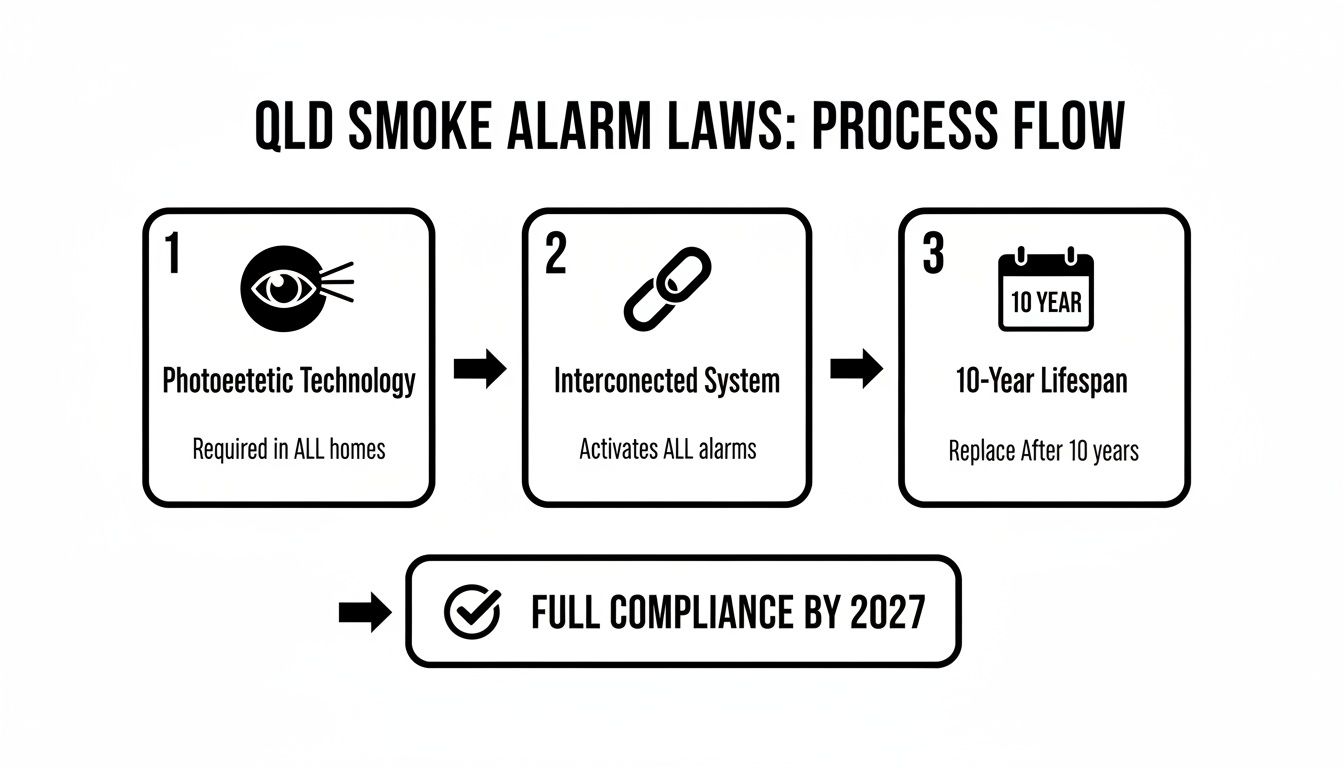
As the visual shows, it’s the combination of photoelectric technology, an interconnected system, and a 10-year lifespan that creates a reliable safety net for your home.
After the tests are done, the technician will thoroughly clean each alarm. You’d be surprised how often dust, cobwebs, and even tiny insects are the culprits behind those frustrating false alarms. A good clean keeps your system reliable. They’ll also check the battery—whether it’s a sealed lithium unit or a hardwired backup—to confirm it has plenty of power.
A professional service isn’t truly finished until you have a compliance certificate in hand. This document is your official proof that your property meets all Queensland legal requirements, giving you peace of mind and the necessary paperwork for insurance or tenancy agreements.
Finally, you’ll get a detailed report outlining what was done, any issues that were found, and how they were fixed. While it’s great to know the basics, and you can learn more about how to test a smoke alarm in our simple guide, a professional visit provides a level of certainty a DIY check just can’t match.
It’s easy to look at the price of a professional smoke alarm testing service and see it as just another bill to pay. But thinking of compliance as a simple expense is missing the bigger picture. It’s better to see it as a crucial investment—one that protects your property, your tenants, and your financial future. The real cost isn’t what you pay for a professional service; it’s the potentially devastating price of neglect.
Here in Brisbane, the final cost for a compliance check can vary. It depends on things like the size of your property, how many alarms you have, and whether any of them need replacing. While that’s a figure you can budget for, the hidden costs of non-compliance are where the real financial pain lies.
Failing to meet Queensland’s strict smoke alarm laws opens you up to some serious financial risks that go way beyond a simple service fee.
Bringing in a professional is a proactive financial decision. It’s why specialised compliance services are in such high demand—savvy property owners understand the value. For instance, a leading provider in Yatala has seen huge growth as landlords get serious about these regulations. You can read more about the industry’s expansion and what it means for property management.
The cost of a professional smoke alarm service is a predictable, manageable expense. The cost of a house fire in a non-compliant property is unpredictable and potentially life-altering.
For landlords, the good news is that this expense is often manageable. It’s also worth looking into potential investment property tax deductions that can help offset the cost of essential safety maintenance.
At the end of the day, professional smoke alarm compliance isn’t just about ticking a box. It’s about protecting your biggest asset and, most importantly, the people living inside it.
When it comes to fire safety in a rental property, it’s a team effort. Queensland law is crystal clear: the responsibility for keeping smoke alarms in working order is shared between landlords and tenants. Getting these roles right is the key to keeping a home safe and avoiding any messy disputes down the line.
For landlords and property managers, the job starts before a tenant even gets the keys. You’re legally required to provide a home with a compliant, fully operational smoke alarm system. This isn’t a set-and-forget task; it’s an ongoing duty that’s central to providing a safe, habitable property.
This responsibility goes beyond just having alarms on the ceiling. It means actively managing and professionally verifying that the entire system works flawlessly throughout the tenancy.
A landlord’s obligations are specific and time-sensitive, all designed to make sure no one moves into a home with faulty protection. Here’s what the law requires:
Understanding the full scope of your obligations is crucial. For a deeper dive into your duties, which include safety gear like smoke alarms, this guide on landlord responsibilities for repairs is an excellent resource.
While the landlord takes care of the professional side of things, tenants have a vital, hands-on role in the day-to-day upkeep. These simple tasks are what keep the system ticking over between those annual professional checks.
A tenant’s responsibilities are equally important for maintaining a safe home. You are required to:
To make things even clearer, here’s a simple breakdown of who does what:
| Responsibility | Landlord / Property Manager | Tenant |
|---|---|---|
| Initial Installation | Ensure compliant, interconnected photoelectric alarms are installed. | N/A |
| Professional Testing | Arrange and pay for testing within 30 days of a new lease and annually. | N/A |
| Routine Checks | N/A | Test the button on each alarm monthly. |
| Cleaning | N/A | Clean alarms to remove dust and insects. |
| Battery Replacement | Replace any hardwired or 10-year lithium batteries. | Replace 9V batteries if needed (landlord can agree to do this). |
| Faulty Alarm Replacement | Replace expired (10+ year old) or malfunctioning alarms. | N/A |
| Reporting Issues | N/A | Immediately report any chirping, damage, or malfunction. |
| Non-Interference | Ensure access for maintenance. | Must not remove, disable, or paint over any alarm. |
At the end of the day, it’s this partnership that keeps everyone safe. When landlords and tenants both know their roles and carry them out, the system works exactly as it should.
Collaboration is key. When both landlords and tenants understand and fulfil their specific duties, it creates a robust safety net that protects the property and, most importantly, everyone living inside.
By working together, you ensure the home is not just compliant with Queensland’s life-saving laws, but genuinely safe.
If you’re a Brisbane landlord who needs to get a compliance check sorted, contact DLG Electrical today. We’ll handle it for you.
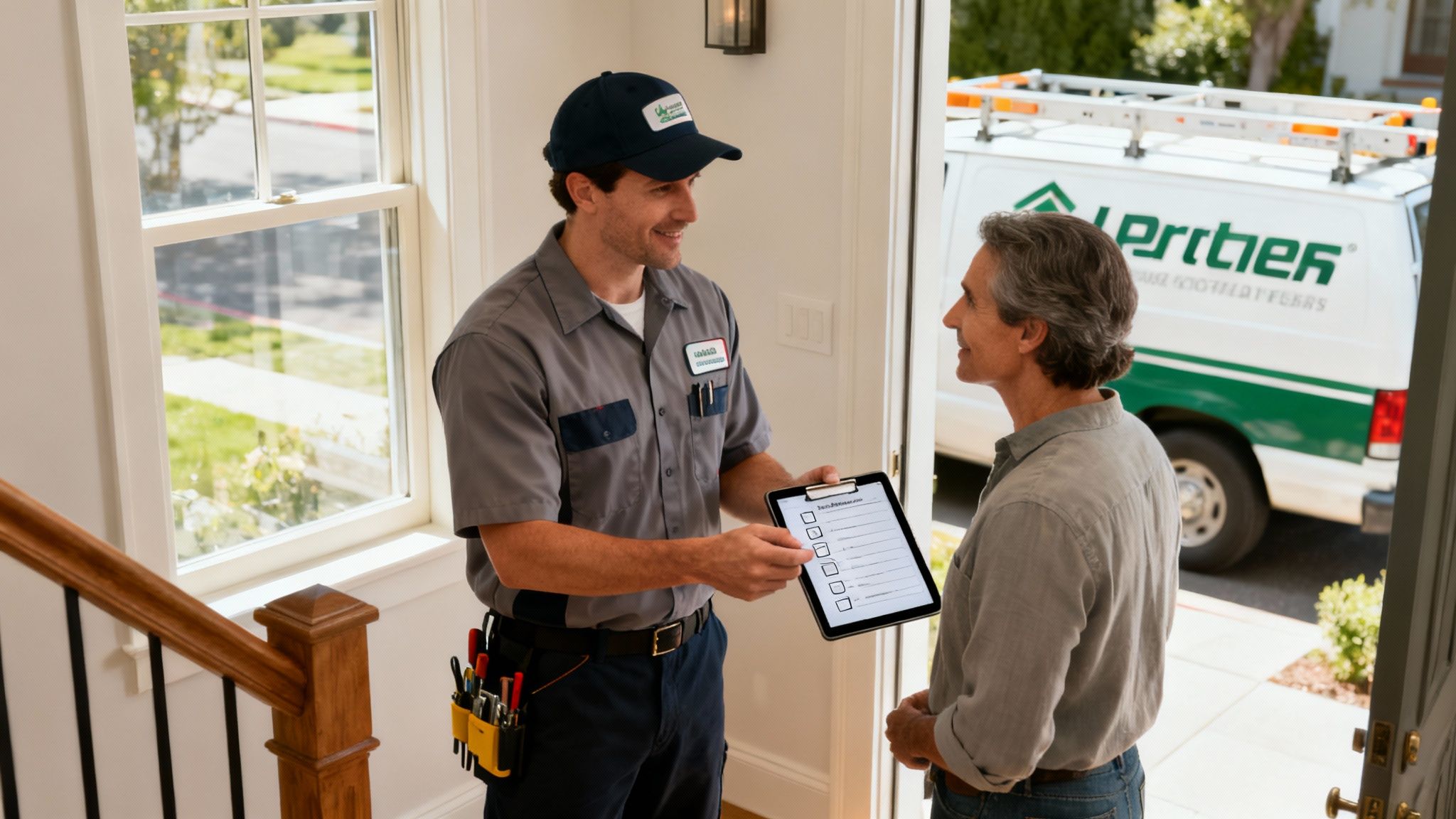
Choosing an electrician for your smoke alarm testing services isn’t just about finding someone to connect a few wires. It’s about entrusting your safety to a professional who truly understands Queensland’s life-saving legislation. You need someone who knows the difference between a compliant property and a genuinely safe one—and believe me, not all electricians specialise in this.
Before you even think about quotes, start with the absolute non-negotiables: their electrical license and insurance. Any legitimate sparkie will have these ready to show you without hesitation. This is your first line of defence against shoddy work and protects you from any potential liability down the track. A quick check here can save you a mountain of headaches.
Once the basics are covered, it’s time to dig a little deeper. How much experience do they actually have with smoke alarm compliance? Queensland’s laws are constantly evolving, so you need an electrician who is right up to speed with the latest requirements for photoelectric, interconnected systems.
A strong local reputation is another dead giveaway. Jump on Google and see what past customers are saying. Look for reviews that mention professionalism, reliability, and specific knowledge of smoke alarm rules.
A smart move is to choose an electrician who offers the full package. A company that handles everything from the yearly testing and maintenance right through to installing brand-new interconnected systems can provide seamless, expert service for the entire life of your safety gear.
To make sure you’re hiring the right person for the job, have a few questions ready. Here’s what I’d be asking before making a decision:
Taking this approach ensures you end up with a trustworthy expert, not just a generalist. Years of research have shown that the number, placement, and interconnection of smoke alarms are what make all the difference in an emergency. A professional is the only person properly equipped to get that setup right. You can read the full research on fire safety outcomes to see for yourself why expert installation is so vital.
If you’re looking for a reliable team that ticks every one of these boxes, give DLG Electrical a call. For more general advice, have a look at our tips on choosing the right Brisbane electrician for any job.
When it comes to smoke alarm rules and maintenance, it’s easy to get tangled up in the details. We get a lot of questions from Brisbane residents, so we’ve put together some quick, clear answers to the most common ones we hear.
There are two different schedules to keep in mind here.
First, landlords have a legal responsibility to get a professional to test and clean every alarm within 30 days before a new lease starts. They also need to do this at least once every 12 months while a tenant is living there.
For everyone else—whether you own your home or you’re a tenant—you should be doing a simple push-button test yourself every single month. This just makes sure the battery and the siren are still working as they should.
An interconnected system is a huge leap forward for home safety. It simply means that when one alarm detects smoke, every other alarm in the house goes off at the exact same time.
This creates an unmissable, property-wide alert that gives everyone the quickest possible warning to get out. It’s especially critical in larger or multi-story homes where you might not hear a single alarm from the other end of the house. Under Queensland law, all smoke alarms are now required to be interconnected.
You can think of it like a neighbourhood watch system inside your own home. If one alarm spots trouble in one corner, the entire network instantly alerts everyone, ensuring no one is left unaware of the danger, no matter where they are.
That relentless, annoying chirp is your alarm’s way of screaming for attention. Nine times out of ten, it’s telling you its battery is low. But it can also be a more serious warning that the alarm has hit its 10-year expiry date and needs to be completely replaced.
If you have an older model with a removable 9V battery, try swapping a fresh one in. If it’s a sealed unit with a 10-year lithium battery or the chirping doesn’t stop, the unit is definitely expired. It must be replaced by a licensed electrician right away.
Yes, you absolutely do. In Queensland, any hardwired smoke alarm—which is any alarm connected directly to your home’s electrical wiring—must legally be installed or replaced by a licensed electrician.
This isn’t a DIY weekend job. Getting a professional ensures the work is done safely, correctly, and meets Australia’s strict electrical standards and building codes. It’s the only way to guarantee your system will actually work when you need it most.
Is it time to get your property’s smoke alarms checked and ensure you’re safe and compliant? The expert team at DLG Electrical provides comprehensive smoke alarm testing, maintenance, and installation services all across Brisbane.
Contact us today for a free quote and genuine peace of mind.

Master Electrician with over 30 years of experience. Founded DLG Electrical in 2005 after international project work including electrical installations at Stamford Bridge Stadium, London(Home of Chelsea FC).

Local Electricians that can fix all Electric Hot water Systems.
Motion sensor lights are a versatile addition to any home, offering nu
