83 Jean St, Grange QLD 4051
Mon-Fri 07:30 AM - 04:00 PM - Sat - 8:00 - 12 - Sunday Closed
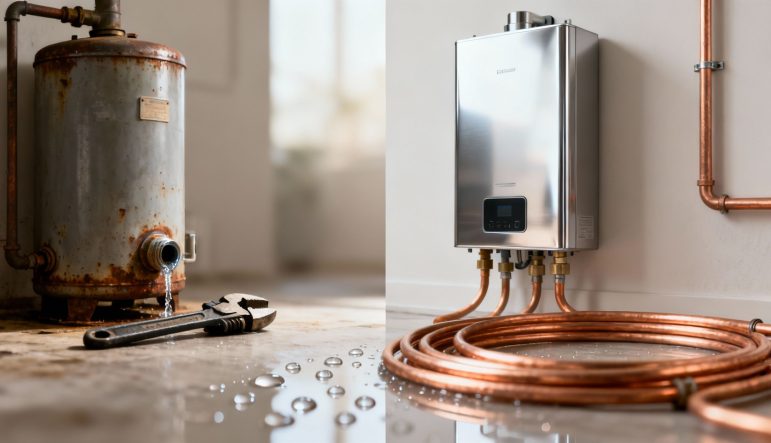
A hot water system replacement is a job most of us put off, but it often becomes urgent when your unit is over a decade old, showing signs of rust, or just can’t deliver consistent hot water anymore. When you see these symptoms, it’s a clear sign your system is on its last legs, and getting ahead of it can save you from a nasty no-hot-water emergency.
Most hot water systems don’t just give up overnight. They’re a bit like a car engine making strange noises before it finally gives out—they send warning signals long before a total breakdown. Learning to spot these signs means you can plan a hot water system replacement on your own schedule, not in a frantic rush.
If you ignore these early clues, you’re often setting yourself up for a sudden, messy, and seriously inconvenient failure. A proactive replacement doesn’t just save you from that dreaded cold shower; it also gives you time to choose the best and most efficient new unit for your home, rather than being forced to take whatever’s available in a pinch.
The most reliable indicator, without a doubt, is the age of your unit. Here in Australia, a typical hot water system has a lifespan of about 8 to 12 years. Once your system sails past the ten-year mark, its efficiency drops off, and the risk of it failing goes up dramatically.
Think of it like this: a ten-year-old hot water system is like a car with over 200,000 kilometres on the clock. It might still be running, but you know a major repair could be just around the corner.
Beyond just its age, your system will give you physical clues that it’s struggling. Catching these is the key to replacing it proactively and dodging an unexpected breakdown.
Here are the most common warnings to look out for:
Keeping an eye out for these key signs of a failing water heater can make all the difference. For a deeper look into keeping your system healthy, our guide on https://dlgelectrical.com.au/dlg-blog/hot-water-maintenance/ offers some great tips for extending its life and spotting trouble early.
Picking a new hot water system feels a bit like buying a new car. You’ve got to weigh up the upfront cost against the long-term running expenses, all while making sure it’s the right fit for your family. A successful hot water system replacement isn’t just about swapping out the old unit; it’s a chance to get something better, more efficient, and cheaper to run.
With a few different types on the market, getting your head around how each one works is the first step to finding the perfect match for your home and budget.
Each hot water system has its own way of doing things, and each comes with its own set of pros and cons. Think of a traditional storage tank system like a big kettle that’s always on the boil. It heats a large tank of water and keeps it ready to go, which is brilliant for big families who might have a couple of showers running at once.
Then you have the tankless system, sometimes called a continuous flow or on-demand unit. This one is more like a high-tech espresso machine—it heats water the moment you turn on the tap. The big win here is energy savings, since you’re not paying to keep a tank of water hot around the clock. Plus, you never run out.
Not sure where to start? This quick guide can help you figure out if it’s time for a replacement.
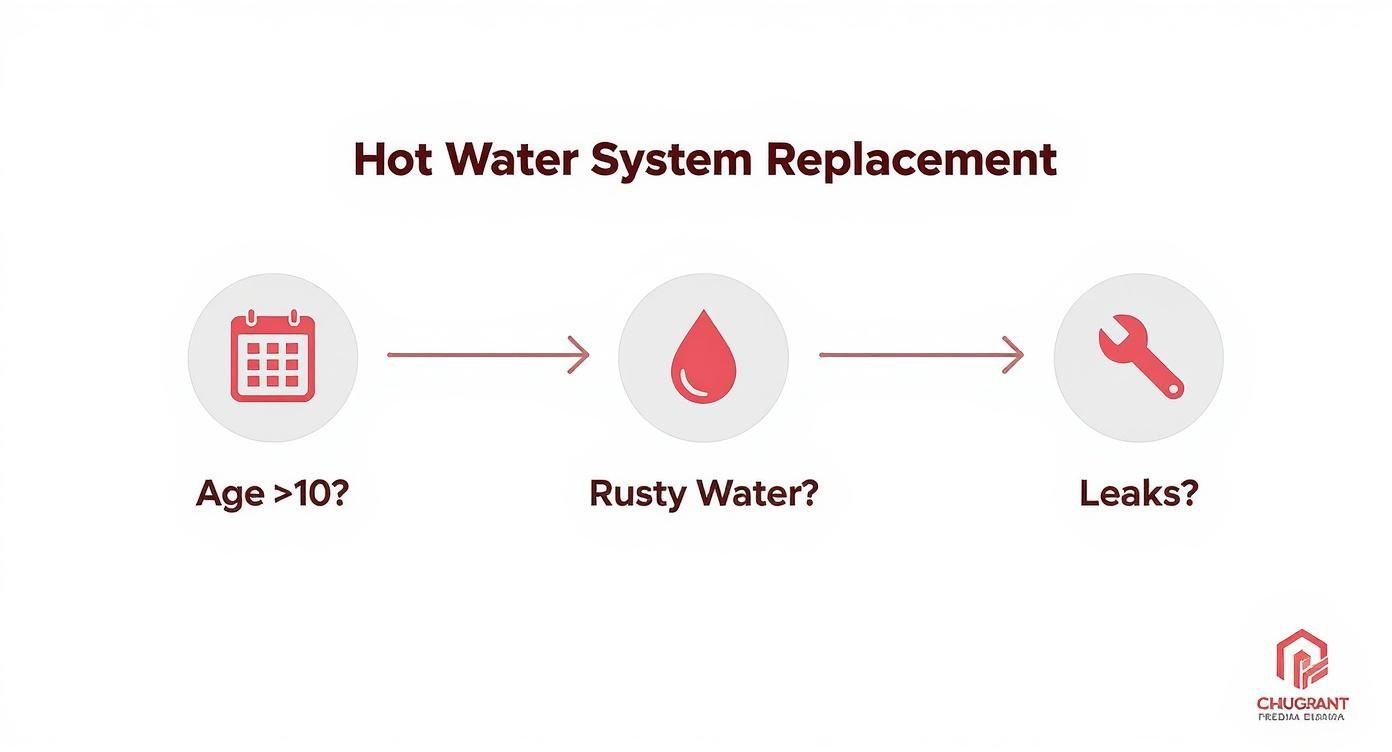
This chart helps you quickly check for the classic signs of failure—like age, rusty water, and leaks—that tell you it’s time to start looking for a new system.
The new player in the game is the heat pump system. It’s clever technology that works like a fridge, but in reverse. Instead of pushing heat out, it pulls warmth from the air outside and uses it to heat the water in the tank.
Because it’s moving heat rather than creating it from scratch, it’s incredibly efficient. We’re talking about using up to 75% less electricity than your standard electric storage tank. This efficiency is why you’re seeing more and more of them across Australia.
Hot water is a huge energy user, accounting for about 25% of the power bill in the average Aussie home. Gas used to be the go-to, but now we’re seeing a massive shift towards all-electric options like heat pumps, which promise huge savings for homeowners. You can read up on the research into the future of electric hot water.
To help you compare the different systems at a glance, we’ve put together a simple table breaking down the key differences in cost, efficiency, and suitability.
| System Type | Upfront Cost | Running Costs | Energy Efficiency | Best For |
|---|---|---|---|---|
| Electric Storage | Low ($) | High ($$$) | Low (★) | Budget-conscious households with low-to-moderate hot water usage. |
| Gas Storage | Low ($) | Moderate ($$) | Moderate (★★) | Homes with existing natural gas connections and high hot water demand. |
| Gas Tankless | Moderate ($$) | Low ($) | High (★★★) | Smaller households or those looking to save space and energy. |
| Heat Pump | High ($$$) | Very Low ($) | Very High (★★★★) | Eco-conscious households looking for maximum long-term savings. |
This table gives you a solid starting point, but the final decision will always come down to your specific circumstances and what you value most—be it upfront savings or long-term efficiency.
Choosing the right system is a balancing act. Your decision will affect not just how much you spend today, but what your power bills look like for the next decade.
Here are the key things to mull over:
Let’s talk money. Understanding the full cost of a hot water system replacement is the key to avoiding any nasty surprises when the final bill arrives. The price tag on the unit itself is just the starting point; the real cost is a mix of the system, the professional installation, and sometimes, a few tweaks to your home’s existing setup.
Thinking about the budget is a bit like planning a road trip. You wouldn’t just account for the fuel, would you? You’d factor in food, accommodation, and any toll roads. It’s the same deal here—the total investment for a new hot water system goes well beyond the sticker price.
When you get a quote from a professional, it should be clearly itemised so you can see exactly where every dollar is going. No hidden fees, no vague line items.
A proper quote will typically cover:
Not all replacement jobs are created equal. Several variables can push the final cost up or down, and it pays to know what they are before you lock in a budget.
The location of your hot water system is a huge factor. A simple swap-out in an easily accessible garage will naturally cost less than relocating a unit from a tight internal cupboard to an outdoor wall. That kind of move might require new plumbing and electrical lines to be run.
On top of that, if you’re switching from gas to electric or upgrading to a more powerful system, you might need to look at electrical switchboard upgrades or new dedicated circuits. These are essential for safety but will add to the total cost. When you’re trying to nail down a figure, it helps to look at up-to-date pricing guides, like this one on the cost of a new boiler.
It can be tempting to go for the cheapest unit, but that’s often a false economy. While a high-efficiency system like a heat pump has a higher initial price tag, its long-term savings on your power bills can be massive.
For instance, swapping an old, inefficient gas hot water system for a modern electric alternative could save the average Victorian household $1,200 per year on energy. It’s a perfect example of how spending a bit more upfront can pay you back many times over during the life of the system.
If you want to dig deeper into what goes into the final bill, have a look at our detailed guide on the cost of replacing a hot water system. It’ll help you put together a realistic budget and make an informed choice.

Knowing what’s going to happen on installation day really takes the stress and uncertainty out of getting your hot water system replaced. It’s not just about swapping one unit for another; a professional installation is a well-oiled machine, designed to get your hot water back on with as little fuss as possible.
From the moment your electrician or plumber arrives, they’ll follow a pretty clear set of steps. This makes sure everything from hauling away the old tank to getting the new one fired up is handled safely, efficiently, and up to code. Let’s walk through what the day typically looks like.
First things first, the installer will run through the job details with you one last time. They’ll double-check that the new system is the right model and confirm the location is good to go. Before any tools come out, they’ll lay down drop sheets or other protective coverings to keep your floors and home clean.
This is also when they’ll do a final safety check on your existing setup. It’s a crucial step that can flag any last-minute surprises with your plumbing or wiring that might need a bit of extra attention.
With the area prepped and everyone on the same page, it’s time to say goodbye to the old unit. Decommissioning it safely involves a few key steps:
Once the old unit is out of the way, they’ll prepare the space for its replacement. This might just be a quick clean-up, but sometimes it involves minor tweaks to the pipework or even preparing a new concrete slab for the new system to sit on.
A smooth installation all comes down to good prep work. The goal is to make sure the new unit fits perfectly and connects seamlessly to your home’s existing infrastructure. This is what prevents frustrating leaks and performance issues down the track.
With the space ready, the new unit is carefully moved into position. Your installer will then meticulously reconnect all the plumbing and electrical wiring, making sure every single connection is secure and compliant with Australian standards.
The system is then filled with water, the power is switched back on, and a final series of tests are run to confirm everything is working exactly as it should. Then, it’s back to enjoying those hot showers
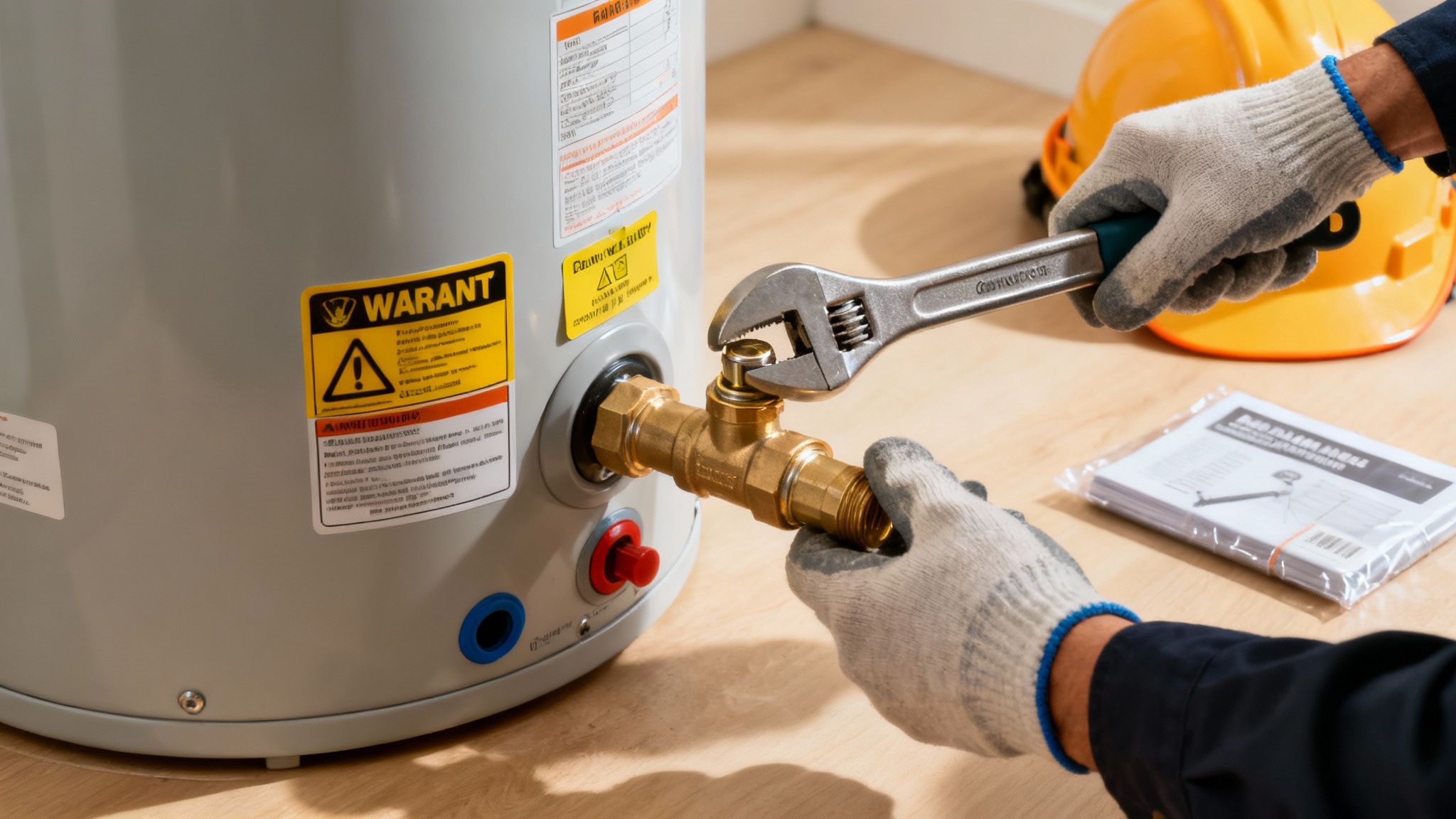
We all love a good DIY project, and the satisfaction of a job well done is hard to beat. But a hot water system replacement is one of those jobs that absolutely, unequivocally falls into the “leave it to the professionals” category. It’s the difference between applying a bandage and performing surgery—one is a simple fix, while the other requires specialised training, precision tools, and a deep understanding of complex, high-stakes systems.
Trying to install a hot water system yourself isn’t just risky; it’s downright dangerous. These units are a serious mix of high-pressure water, high-voltage electricity, and sometimes, flammable gas. A single mistake here doesn’t just mean a cold shower—it can have catastrophic consequences.
The risks that come with an amateur installation are severe and can have lasting effects. What might start as an attempt to save a few hundred dollars can very quickly spiral into a financial and safety nightmare you didn’t see coming.
Here’s a snapshot of what can go wrong:
In Australia, it is illegal for an unlicensed person to perform any plumbing or electrical work. These regulations aren’t just red tape; they exist for one simple reason: to protect you and your property from preventable disasters.
Beyond the immediate safety risks, there’s the critical matter of legal compliance. A professionally installed system is guaranteed to meet all Australian Standards and local building codes. This isn’t just about ticking boxes on a form; it’s about making sure your system operates safely and efficiently for its entire lifespan.
Ultimately, hiring a professional gives you something a DIY project never can: total peace of mind. Knowing your hot water system replacement was handled correctly by an expert means you can rest easy, confident that your family is safe and your investment is protected. For any job involving complex electrical work, finding a qualified and trustworthy professional is non-negotiable. If you’re looking for an expert in the local area, you can find a reliable Brisbane electrician to ensure the job is done right. The cost of professional installation is a small price to pay for safety, compliance, and a hot water system that just works.
Even after running through the signs, system types, and costs, you probably still have a few questions rattling around. It’s completely normal. This last section is designed to tackle the most common queries we get from Brisbane homeowners, giving you clear, straightforward answers to help you feel confident about the next steps.
Think of it as a quick FAQ to clear up any lingering doubts. Getting these final details straight means you’ll be fully prepared for the replacement process.
For a simple, like-for-like swap—say, replacing an old electric storage tank with a new one in the same spot—the whole job usually takes between 2 to 4 hours. This covers draining and removing the old unit, positioning the new one, and hooking up all the plumbing and electricals.
However, the timeline can stretch out if the job is more complex. Switching from a gas storage tank to an instantaneous electric system, for instance, often means running new plumbing and a dedicated electrical circuit. If your job involves these kinds of modifications, it could take the better part of a day. Your installer will give you a firm time estimate after they’ve had a look at the site.
Yes, absolutely. In fact, switching from an old gas unit to a modern electric system is a smart move many Brisbane homeowners are making, especially with the rise of super-efficient heat pumps. It’s a great way to future-proof your home and tap into the savings from a solar power system.
This kind of conversion is a two-trade job. You’ll need a licensed plumber to safely disconnect the gas supply and cap the line, and a licensed electrician to run a new, dedicated power circuit for the electric unit. While the upfront cost is higher because you’re paying for two specialists, the long-term energy savings often make it a very sound financial decision.
There’s a common myth that switching from gas to electric is a massive, expensive headache. The reality is, with government rebates often available for high-efficiency electric systems, the final cost can be surprisingly competitive—especially when you factor in how much you’ll save on future energy bills.
This is less about how many people live in your house and more about your daily habits. The real question is: what’s your peak hot water usage like? Do you have multiple people showering at the same time each morning? Do you often run the dishwasher and the washing machine at once?
Here’s a rough guide to help you size a traditional storage tank system:
For tankless (or instantaneous) systems, size is measured in flow rate—litres per minute (LPM). A unit with a 20-26 LPM flow rate can typically handle a two-bathroom home without breaking a sweat. A proper assessment from a professional will nail down the perfect size so you never have to worry about a cold shower again.
Yes, they often are. Both federal and state governments in Australia regularly offer rebates and incentives to encourage homeowners to install more energy-efficient hot water systems. These programs are usually focused on promoting greener tech like solar hot water and heat pumps.
These rebates can take a significant bite out of the upfront cost of your hot water system replacement. The catch is that the programs, and who is eligible for them, can change. The best approach is to check the official government energy websites or, even easier, just ask your installer. They’re always up-to-date on what current rebates you might qualify for in your area.
Ready to talk through your hot water system replacement with a team of licensed Brisbane experts? The team at DLG Electrical is here to provide a free, no-obligation quote and help you find the perfect, most efficient solution for your home. Visit us at https://dlgelectrical.com.au to get started.

Master Electrician with over 30 years of experience. Founded DLG Electrical in 2005 after international project work including electrical installations at Stamford Bridge Stadium, London(Home of Chelsea FC).

Local Electricians that can fix all Electric Hot water Systems.
Motion sensor lights are a versatile addition to any home, offering nu
