83 Jean St, Grange QLD 4051
Mon-Fri 07:30 AM - 04:00 PM - Sat - 8:00 - 12 - Sunday Closed
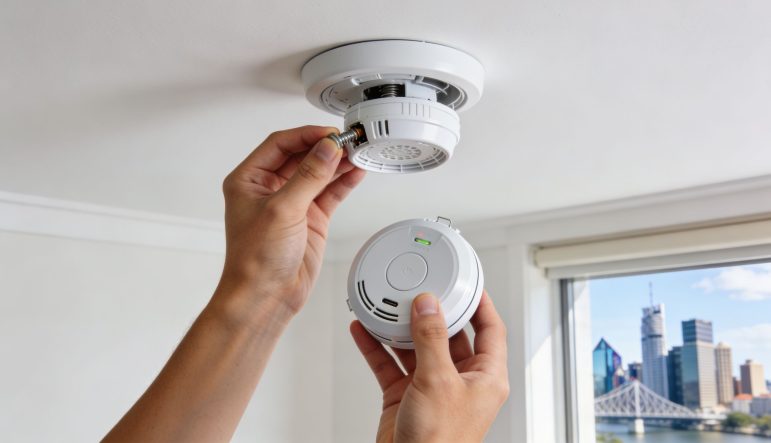
A lot of Brisbane homeowners and landlords end up in the same spot. A smoke alarm starts chirping in the middle of the night, or you glance up and notice an old yellowed unit on the ceiling and wonder whether it’s still legal, still working, and still worth trusting.
That uncertainty matters. Smoke detector replacement isn’t just a maintenance job. In Queensland, it sits at the intersection of safety, legal compliance, tenancy obligations, and practical budgeting. For owner occupiers, the question is usually, “Do I need to replace this now?” For landlords and property managers, it quickly turns into, “How do I keep multiple properties compliant without creating a constant maintenance headache?”
After working with Brisbane homes for many years, one pattern keeps showing up. People tend to focus on the alarm they can hear, but the primary issue is often the one they can’t see. Sensor age, wiring condition, poor placement, and non-compliant alarm types cause far more trouble than a flat battery ever did.
Smoke alarms are one of those fixtures people ignore until they become annoying. A chirp starts. A tenant reports random beeping. You find a detector that looks like it’s been on the ceiling since the house was built. That’s usually the moment smoke detector replacement jumps from “later” to “right now”.
In Brisbane, that delay can cause problems fast. Queensland’s smoke alarm rules are stricter than many people realise, and the old habit of changing a battery and moving on doesn’t solve much anymore. If the alarm itself is outdated, poorly located, or past its service life, it may still be non-compliant even if it makes noise when you press the button.
For landlords, the issue is bigger than a single device. One overdue replacement can affect a tenancy handover, a routine inspection, or a maintenance schedule across several properties. Managing alarms one by one usually costs more time and creates more confusion than replacing them on a planned cycle.
Practical rule: If you don’t know the manufacture date of every smoke alarm in the property, you don’t yet know whether the property is compliant.
The sensible approach is straightforward:
Local experience matters. Brisbane homes vary a lot, from older post-war properties to renovated Queenslanders to newer investment units. Ceiling access, existing wiring, humidity, and room layout all change the right replacement strategy.
The replacement deadline isn’t flexible. Smoke alarms need replacing 10 years from the manufacture date, not from the day they were installed, because the sensing chamber becomes less reliable over time as dust, oxidation, and environmental contamination build up inside the unit, reducing its ability to detect real smoke even if the test button still works, as explained in this detector replacement timeline guide.
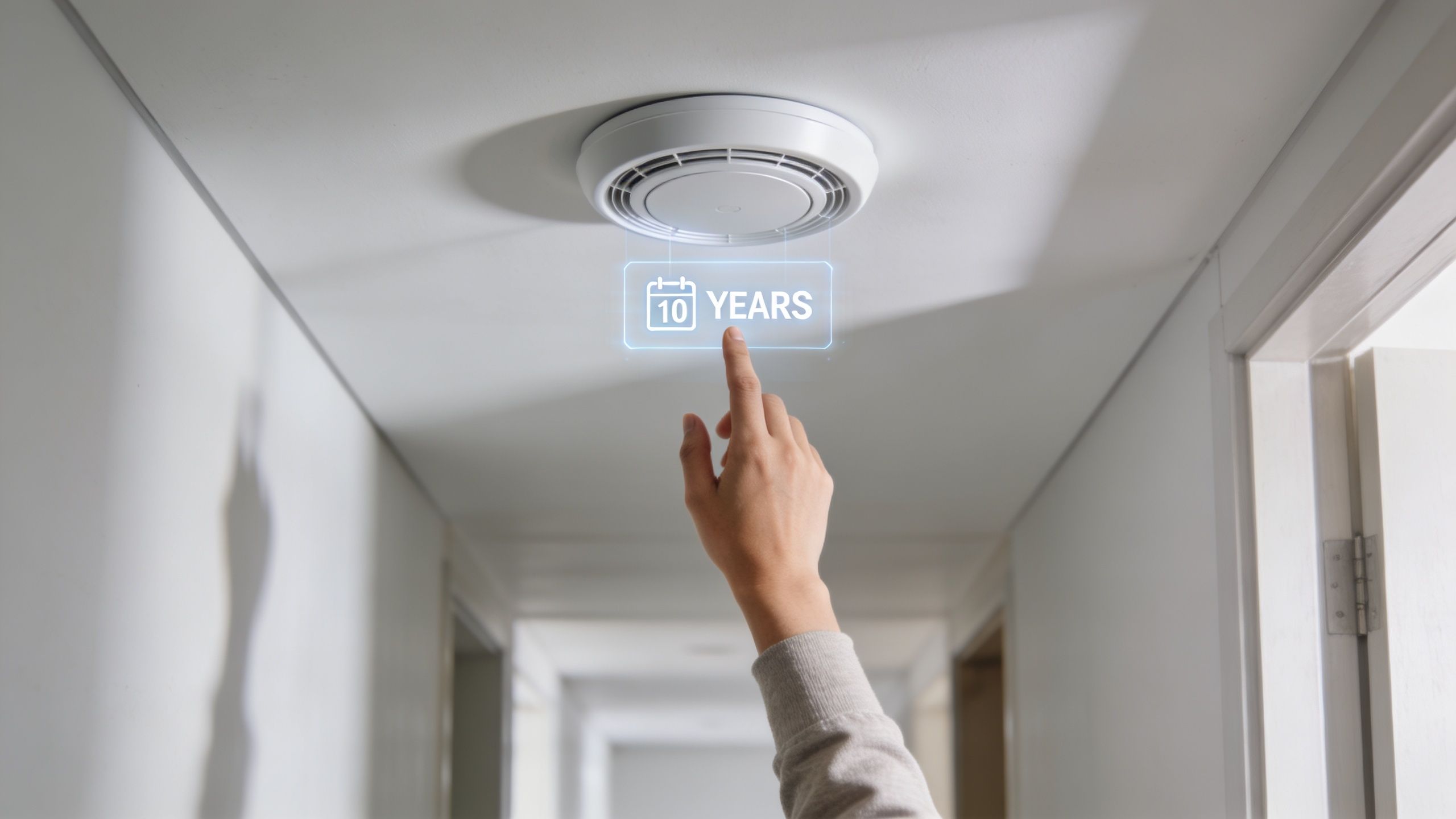
This catches people out all the time. A detector might have been installed years after it was manufactured, especially if it sat in storage or came with a previous renovation batch. What matters is the date printed on the alarm itself.
It's similar to any other safety-critical component. You wouldn’t judge a tyre only by how often you drove the car. Age changes the material. Smoke alarm sensors work the same way.
A manual test only tells you the sounder and power circuit can operate. It doesn’t prove the sensing chamber will react properly in a real fire.
That’s why old alarms can create a false sense of security. They chirp, they flash, they pass the button test, and people assume they’re fine. Meanwhile, the part that detects smoke may already be compromised.
A working test button does not mean a healthy detector. It only confirms one part of the device still responds.
Brisbane conditions don’t help. Dust, moisture, and general household contamination shorten the trust you should place in an ageing unit, especially in kitchens, hallways near bathrooms, and older homes with more airborne dust.
Sometimes the date has already settled the question. Other times, the detector starts telling you it’s done.
Replace it if you notice:
A good habit is to tie smoke detector replacement into your broader property maintenance routine. If you already do seasonal checks for gutters, roof leaks, and electrical issues, adding alarm age to that process keeps it from being forgotten. A practical example is Bulls Eye Repair's seasonal checklist, which shows how safety items are easier to manage when they’re part of a recurring review rather than a last-minute scramble.
A Brisbane landlord usually notices the law when a lease is about to renew, a sale is coming up, or a tenant reports a chirping alarm the night before a routine inspection. By then, the cheap option has usually disappeared. Smoke alarm compliance in Queensland is easier and less expensive when it is planned early across the whole property, not handled one unit at a time.
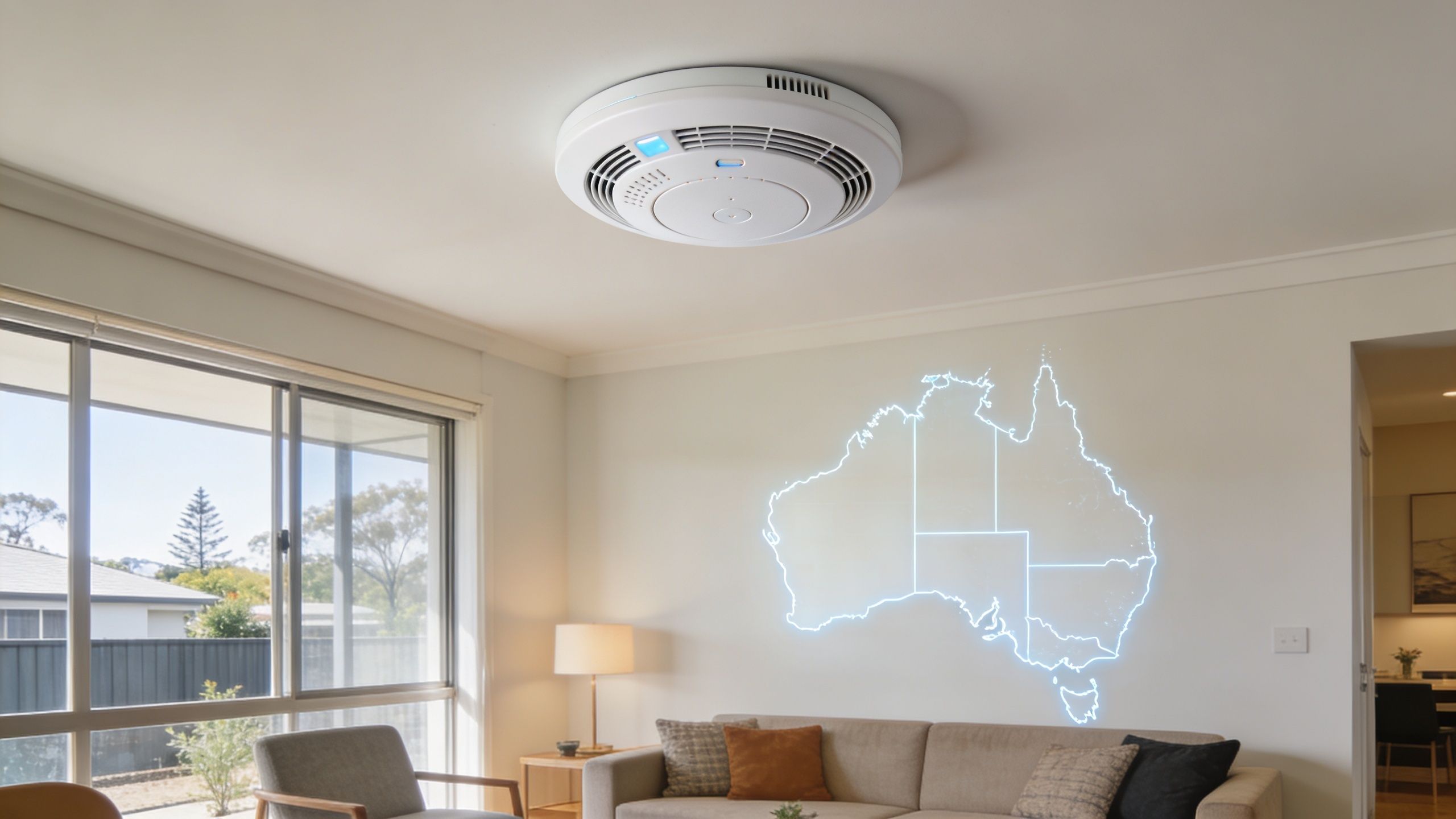
Queensland rules are specific. For most homes being brought into line with current requirements, alarms need to be photoelectric, compliant with the applicable Australian Standard, and either hardwired or powered by a non-removable 10-year lithium battery. They also need to be interconnected so if one activates, they all sound.
Placement matters as much as the alarm itself. Bedrooms, hallways that connect bedrooms, and each storey all need attention. I regularly see properties where an owner replaced one old unit but left the rest of the system in a layout that no longer meets the standard expected for sales, lease renewals, or ongoing rental compliance.
Interconnected alarms solve a practical problem in larger Brisbane homes, townhouses, and split-level rentals. If a fire starts in a living area or downstairs, the person sleeping at the far end of the house needs to hear every alarm, not just the one nearest the smoke.
That changes how landlords should budget. A coordinated system costs more upfront than swapping out a single failed alarm, but it usually cuts repeat callouts, avoids mixed alarm types across the property, and makes future maintenance more predictable. Across a portfolio, standardising compliant alarms often saves money because testing, replacement planning, and record keeping become easier.
Property managers rarely struggle with one alarm. They struggle with ten properties, different install dates, limited tenant access windows, and scattered paperwork. Replacing alarms only when a tenant complains often leads to higher labour costs and a mix of old and new devices that are harder to verify later.
The better approach is to group properties by urgency and age, then schedule upgrades in batches.
| Focus area | Better approach | Common cost trap |
|---|---|---|
| Upgrade timing | Replace by compliance stage or property group | Waiting for fault callouts |
| System selection | Use the same compliant alarm platform where possible | Mixing models that do not integrate well |
| Documentation | Keep install dates, test records, and certificates together | Chasing invoices after a dispute or sale |
| Budget control | Plan multi-property works in one program | Paying separate attendance fees across the year |
For landlords, that is the actual return on investment. You are not just buying alarms. You are reducing admin time, limiting emergency attendance fees, and lowering the risk of a compliance issue surfacing during a tenancy dispute, insurance question, or contract of sale.
A working test button does not confirm the whole property is compliant. Neither does one new alarm in an otherwise outdated system. Queensland law looks at alarm type, power source, location, interconnection, and whether the property meets the standard that applies to its use.
For a clearer breakdown of the legal requirements, read this guide to Queensland smoke alarm laws. Owners and property managers should also review broader actionable fire safety strategies so smoke alarm upgrades sit inside a proper risk and maintenance process.
Professional installation matters here for a simple reason. Compliance is not only about getting an alarm onto the ceiling. It is about choosing the right system, wiring or pairing it correctly, placing it where the law requires, and documenting the work properly so there is a clear record later if anyone asks.
Choosing a smoke alarm is not just about picking a unit off the shelf. In Brisbane, the right choice has to suit the property, meet Queensland requirements, and make sense over the life of the alarm, especially if you own more than one rental.
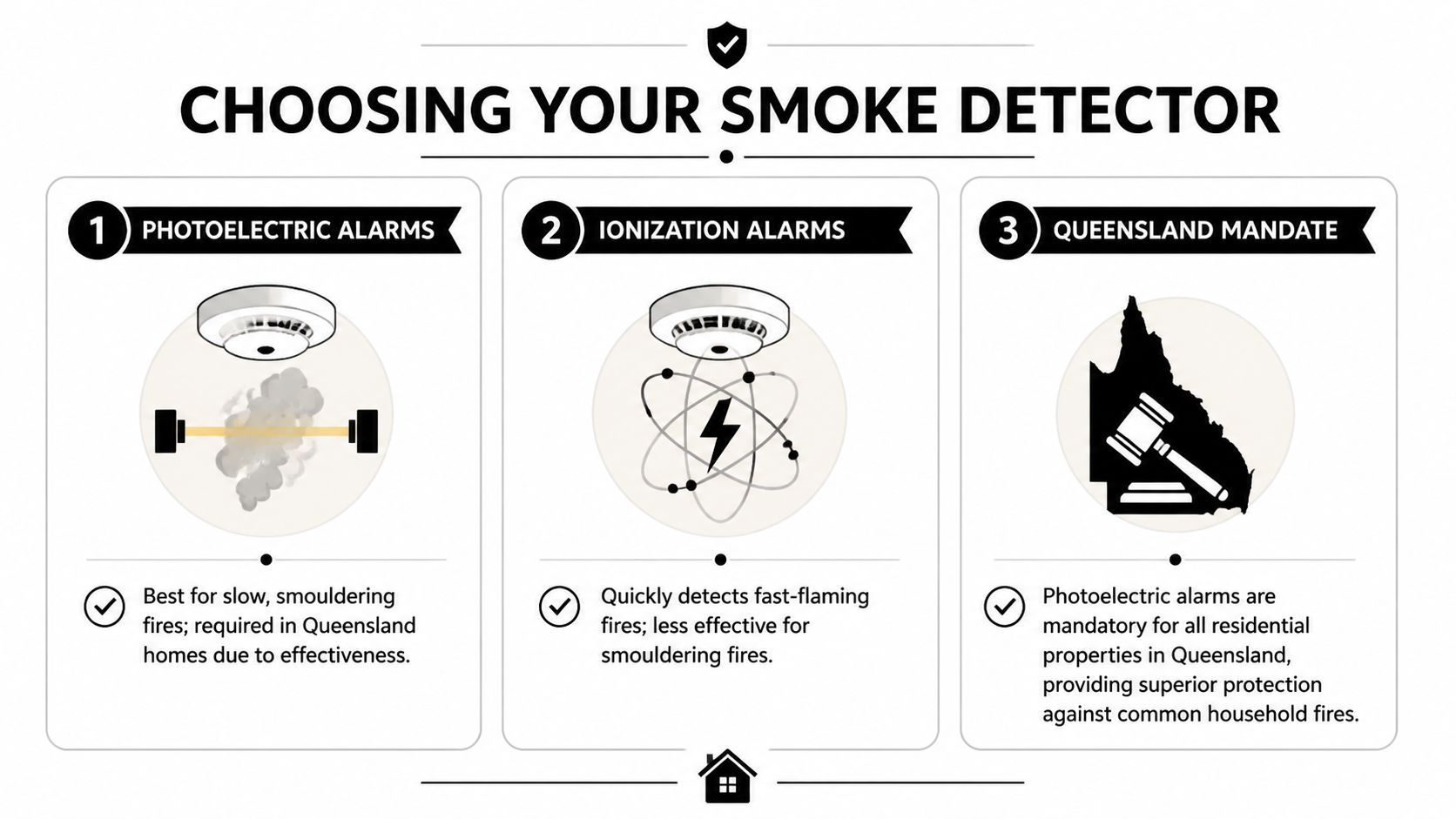
For homes and rental properties in Queensland, photoelectric alarms are the right starting point. They are the type used to meet current residential expectations, and they are better suited to the kind of smouldering fires that often start in bedrooms, hallways, and living areas.
Ionisation alarms still turn up in older Brisbane homes, but I do not recommend treating them as a long-term option. If a landlord is spending money on replacement, it makes more sense to install alarms that align with current standards instead of carrying old technology forward and creating another upgrade job later.
Here is the practical comparison:
| Alarm type | Better suited to | Main drawback in home use | Practical recommendation |
|---|---|---|---|
| Photoelectric | Slow, smouldering fires in residential settings | Few downsides for standard home use | Usually the right choice for Brisbane homes |
| Ionisation | Faster-flaming fire conditions | Less suitable for common residential fire patterns and older in practice | Best phased out during replacement |
The next choice is power source. At this juncture, landlords and property managers need to look past the ticket price.
A sealed 10-year battery alarm can be a sensible retrofit in an older property where ceiling access is poor, cabling work will damage finishes, or the job needs to be completed across multiple dwellings without major electrical upgrades. The upfront cost is often lower, and the installation is usually less disruptive.
A hardwired alarm system often gives better long-term value where wiring access already exists or the property is being renovated. It reduces reliance on battery-only units, suits larger interconnected layouts well, and can be the cleaner option in houses that are already partway modernised.
The best choice is usually the one that reduces failures, call-backs, and inconsistent alarm types across the property.
Different properties call for different approaches:
For landlords, the true cost is rarely just the alarm itself. It is repeated site visits, mixed alarm models across properties, rushed upgrades before a new tenancy, and admin time spent proving what was installed and when. A cheaper unit can end up costing more if it creates extra maintenance or leaves questions about whether the property was set up properly in the first place.
If you want a clearer breakdown of the options, this guide on good smoke alarms for Queensland homes explains the main alarm types and where each one fits.
My advice is simple. Choose a compliant photoelectric system that suits the building, then have it specified and installed properly. That avoids wasted spend, reduces repeat work, and gives landlords and property managers a clearer compliance position across the whole portfolio.
A Brisbane landlord finds out an alarm is chirping on Friday afternoon. The new tenant moves in Monday. Swapping the unit yourself can look like the quickest way to get the keys handed over on time, but if the alarm is hardwired or the layout is wrong, that quick fix can turn into a compliance problem, a failed entry condition report, or a second call-out that costs more than doing it properly once.
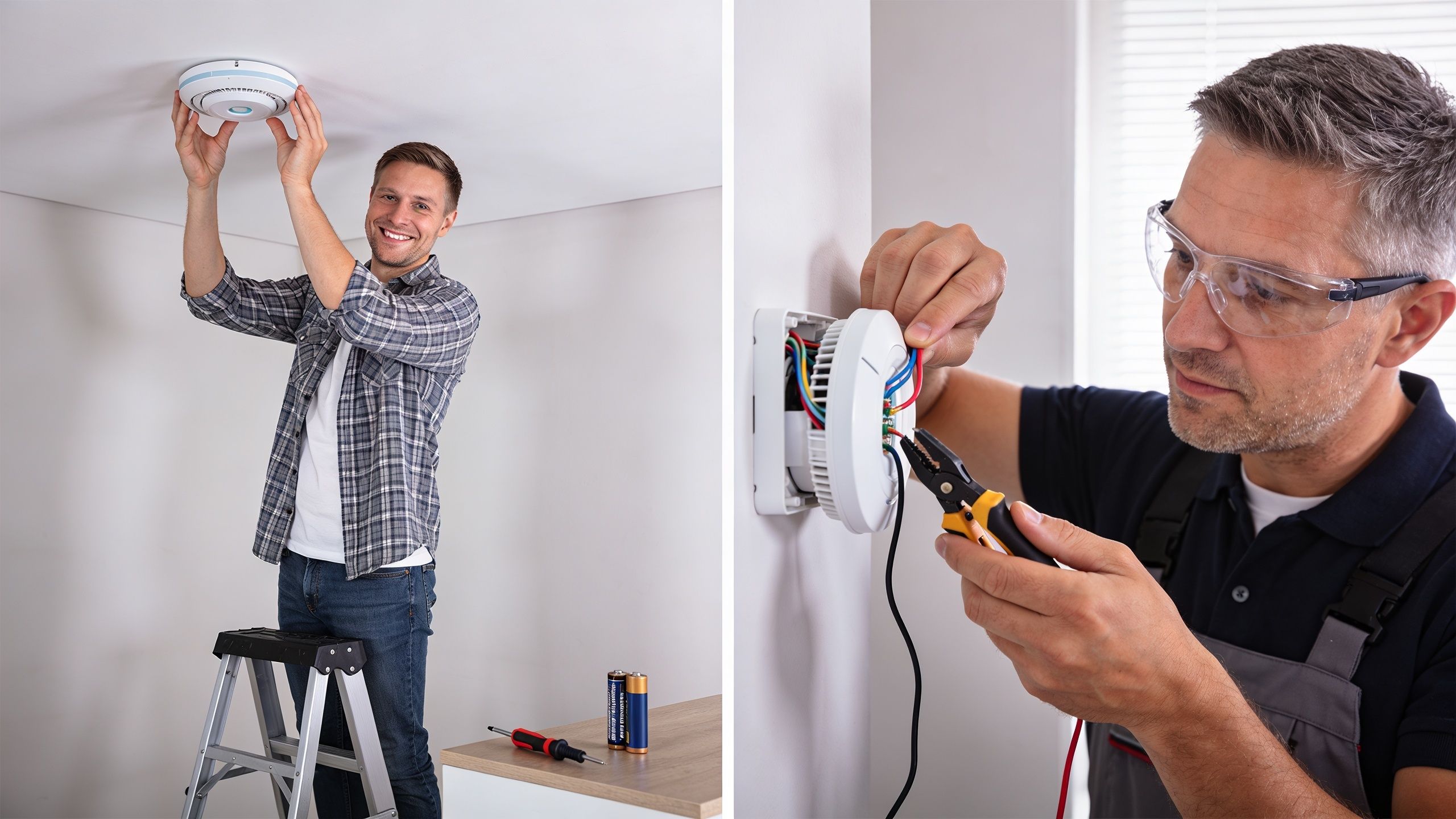
Basic upkeep is fine. Homeowners, tenants, and landlords can press the test button, clean dust from the outside of the unit, check the manufacture date, and report faults early.
That is maintenance.
Installation is different. In Queensland, once the work involves fixed wiring, interconnection, circuit changes, or replacing a hardwired alarm, it belongs with a licensed electrician.
The risk with smoke alarms is not only whether they turn on. The critical factor is whether they are placed correctly, powered correctly, and work together when smoke is detected in another part of the home.
A proper installation check usually covers:
| Installation issue | Why it matters |
|---|---|
| Correct placement | Helps the alarm detect smoke as intended and reduces nuisance activations near bathrooms or cooking areas |
| Power supply verification | Confirms the unit has reliable mains power and backup operation |
| Interconnection testing | Checks that linked alarms trigger together across the dwelling |
| Compatibility of replacement units | Avoids mismatched models or bases that create faults or unreliable operation |
| Compliance records | Gives landlords and property managers a clear paper trail for file notes and future audits |
That last point matters more in rentals than many owners expect. Across a portfolio, the cost of poor recordkeeping adds up fast. One missing certificate, one unclear install date, or one mixed set of alarm models can mean extra inspections, repeated attendance fees, and delays between tenancies.
I see the same problems repeatedly in Brisbane properties. Someone buys a unit that physically fits the old base but is not suitable for the existing setup. An alarm gets installed too close to a bathroom or kitchen and starts false alarming. A hardwired unit is swapped without checking the interconnection. Or one failed alarm is replaced while the rest of the house is left with older units nearing the end of service life.
None of those mistakes look dramatic. They still create risk.
For landlords and property managers, the practical problem is bigger than one alarm. DIY replacements tend to produce mixed systems across the portfolio, inconsistent documentation, and more reactive maintenance. That usually costs more over time than a planned install program with one compliant standard across multiple properties.
This video gives a useful look at the practical side of alarm fitting and replacement before any work is attempted:
A licensed electrician is not only there to mount the alarm and connect wires. The value is in checking the dwelling against Queensland requirements, spotting wiring issues before they become faults, and leaving you with a result you can rely on.
In older Brisbane homes, that judgement matters. Renovations, patched ceilings, changed room layouts, and older circuits often create problems that are not obvious until the old alarm comes down. In rentals, access coordination and documentation matter just as much. One well-planned visit is usually cheaper than a rushed replacement followed by a return trip to fix location, interconnection, or compliance issues.
If you want a clearer picture of what a proper install includes, this guide to smoke detector installation services in Brisbane explains the scope of work. DLG Electrical handles smoke detector installation, replacement, testing, and compliance work for Brisbane properties. Any contractor you use should be licensed, insured, and familiar with Queensland smoke alarm laws.
If the job involves 240V wiring, the cheapest invoice is often not the lowest total cost.
A good smoke alarm service should feel organised, not vague. When the process is clear, homeowners know what they’re paying for and landlords can plan access, tenants, and records properly.
Most professional smoke detector replacement work follows a simple sequence:
Initial contact and quote
You explain the property type, the issue, and whether the alarms are hardwired, battery-operated, or unknown.
Booking the visit
A suitable time is arranged, which matters for rentals where access needs coordination.
On-site assessment
The electrician checks the existing alarms, confirms the likely compliance issues, and identifies whether replacement, relocation, or system upgrades are needed.
Installation and testing
New alarms are fitted, power is checked, and interconnected units are tested together.
You shouldn’t be left guessing whether the work was compliant.
A proper service should leave you with:
For anyone arranging a compliant upgrade or replacement, this overview of smoke detector installation services gives a practical idea of what a structured service should include.
The cost depends on the alarm type, how many units the property needs, whether the system is hardwired, how accessible the ceilings are, and whether interconnection or rewiring is involved. For landlords, the more useful way to think about cost is whole-of-portfolio planning rather than single-job pricing.
A cheap one-off replacement can become expensive if you end up with mixed alarm ages, repeated access charges, and avoidable call-backs. Ask for a quote that covers compliance needs clearly, not just the unit itself.
Maybe, but not always. In Brisbane, humidity can complicate the answer. Frequent false alarms may come from poor placement near bathrooms or cooking areas, but in humid climates they can also indicate accelerated sensor degradation before the normal end of life, as explained in this smoke alarm placement and nuisance alarm guide.
Use this approach:
Don’t leave expired alarms in a cupboard and don’t put them straight back into service at another property. Remove them from your maintenance stock so they can’t be reused by mistake.
For disposal, follow your local council’s waste or recycling guidance. The key point is to treat expired alarms as end-of-life safety devices, not spare parts.
If you need help with smoke detector replacement, compliance checks, or a practical upgrade plan for a Brisbane home or rental portfolio, contact DLG Electrical. A licensed electrician can confirm what needs replacing, sort out hardwired or interconnected systems properly, and give you clear records so you’re not guessing about safety or compliance later.

Master Electrician with over 30 years of experience. Founded DLG Electrical in 2005 after international project work including electrical installations at Stamford Bridge Stadium, London(Home of Chelsea FC).

Local Electricians that can fix all Electric Hot water Systems.
Motion sensor lights are a versatile addition to any home, offering nu
