83 Jean St, Grange QLD 4051
Mon-Fri 07:30 AM - 04:00 PM - Sat - 8:00 - 12 - Sunday Closed
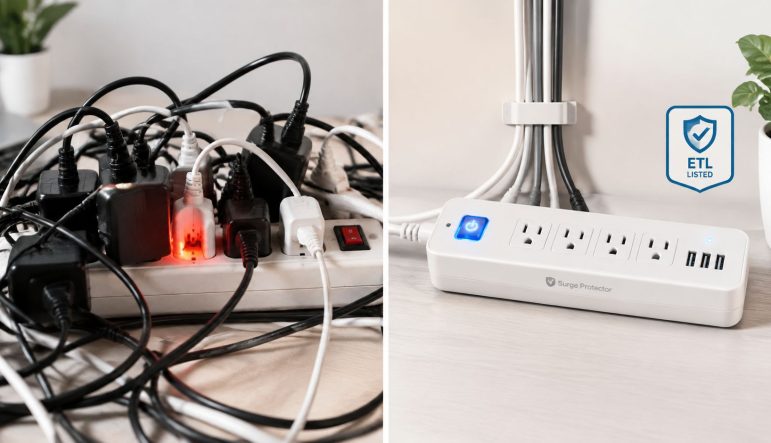
You've got a desk lamp, television, charger and perhaps a heater all competing for the same wall socket. The quick fix is a power board, but the switch on that board can create a false sense of security. Turning it off is useful, yet it doesn't make an overloaded, damaged or poorly positioned board safe.
In Brisbane homes, power boards should be treated as electrical equipment, not harmless accessories. They can extend access to a wall outlet, but they can't replace a correctly designed circuit, a compliant switchboard or an electrician's assessment when faults keep returning.
A power board switch controls power to the board's built-in outlets. Turning it off usually stops connected appliances from drawing power, allowing a homeowner or landlord to isolate several devices at once. It can reduce standby use and simplify shutdowns for a desk, entertainment unit or group of chargers.
The switch does not increase the capacity of the wall outlet or the circuit behind it. Six sockets still share one plug and one cable. If the connected appliances draw more current than the board, plug, cable or circuit can safely carry, switching off the board does not correct the underlying electrical risk.
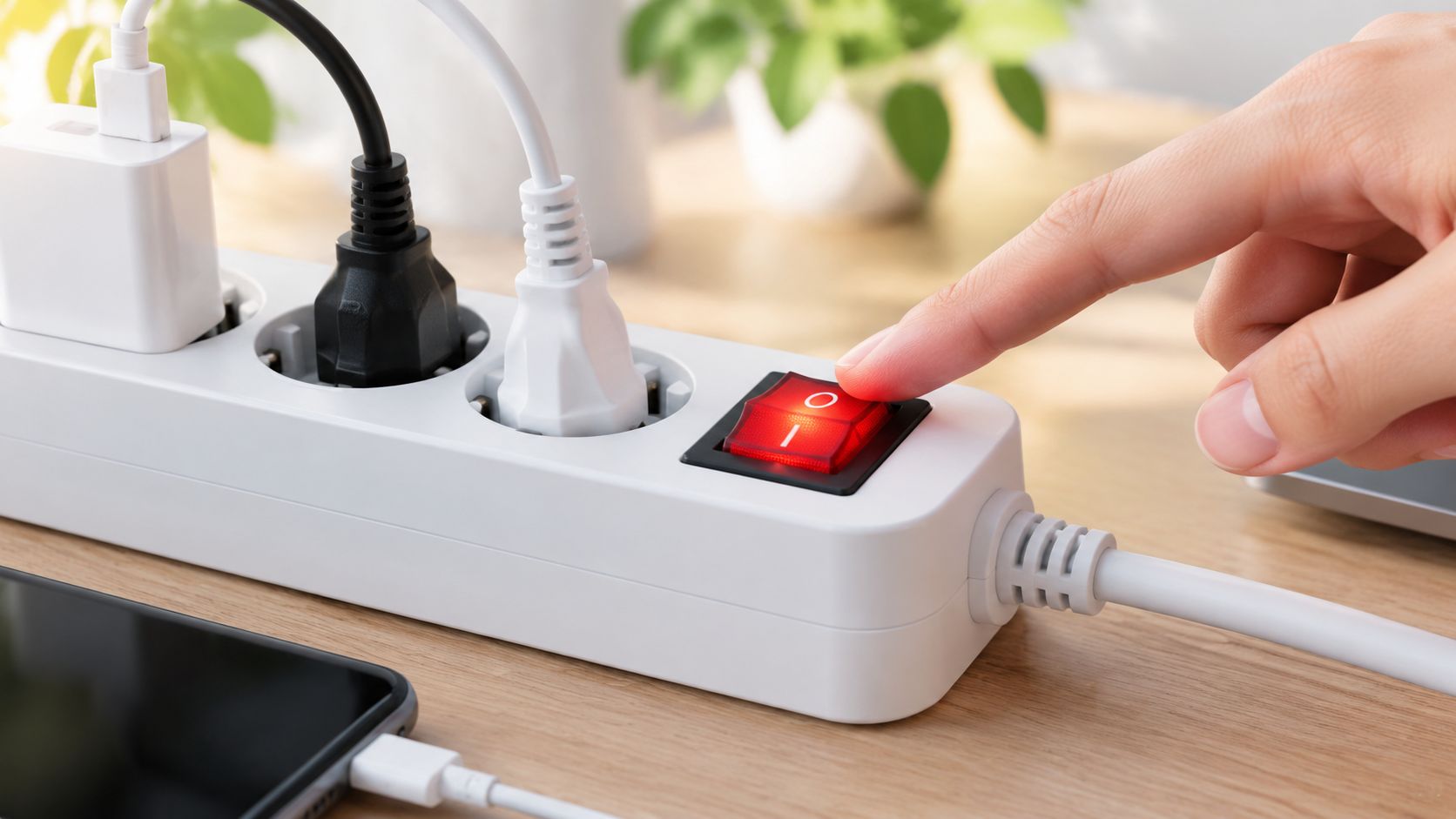
Use the switch for convenience and isolation. Rely on the switchboard, compliant equipment and a licensed electrician's assessment for electrical protection and fault diagnosis.
For Brisbane properties, repeated power board problems can indicate a wider issue, such as insufficient outlets, unsuitable circuit loading or switchboard equipment needing professional attention. Queensland electrical work and installations must meet applicable safety requirements, so landlords should arrange assessment rather than treat a replacement board as a permanent fix.
Stop using the board if it feels hot, buzzes, smells burnt or has a loose switch. Unplug it if safe to do so, keep people away from damaged equipment, and have a licensed electrician inspect the problem. Repeatedly flicking the power board switch will not clear a fault and can leave damaged components in service.
A basic power strip is much like adding a multi-outlet adaptor to one wall connection. It gives you more places to plug in, but it doesn't automatically defend connected electronics from voltage disturbances. A surge-protected board adds protective components intended to divert or limit sudden voltage increases, although it still has a finite working life and can't guarantee protection from every event.
Think of the difference as extra seating versus a security guard. The basic board provides extra sockets. The surge protector adds a layer intended to help shield sensitive equipment such as computers, televisions, networking hardware and audio systems.
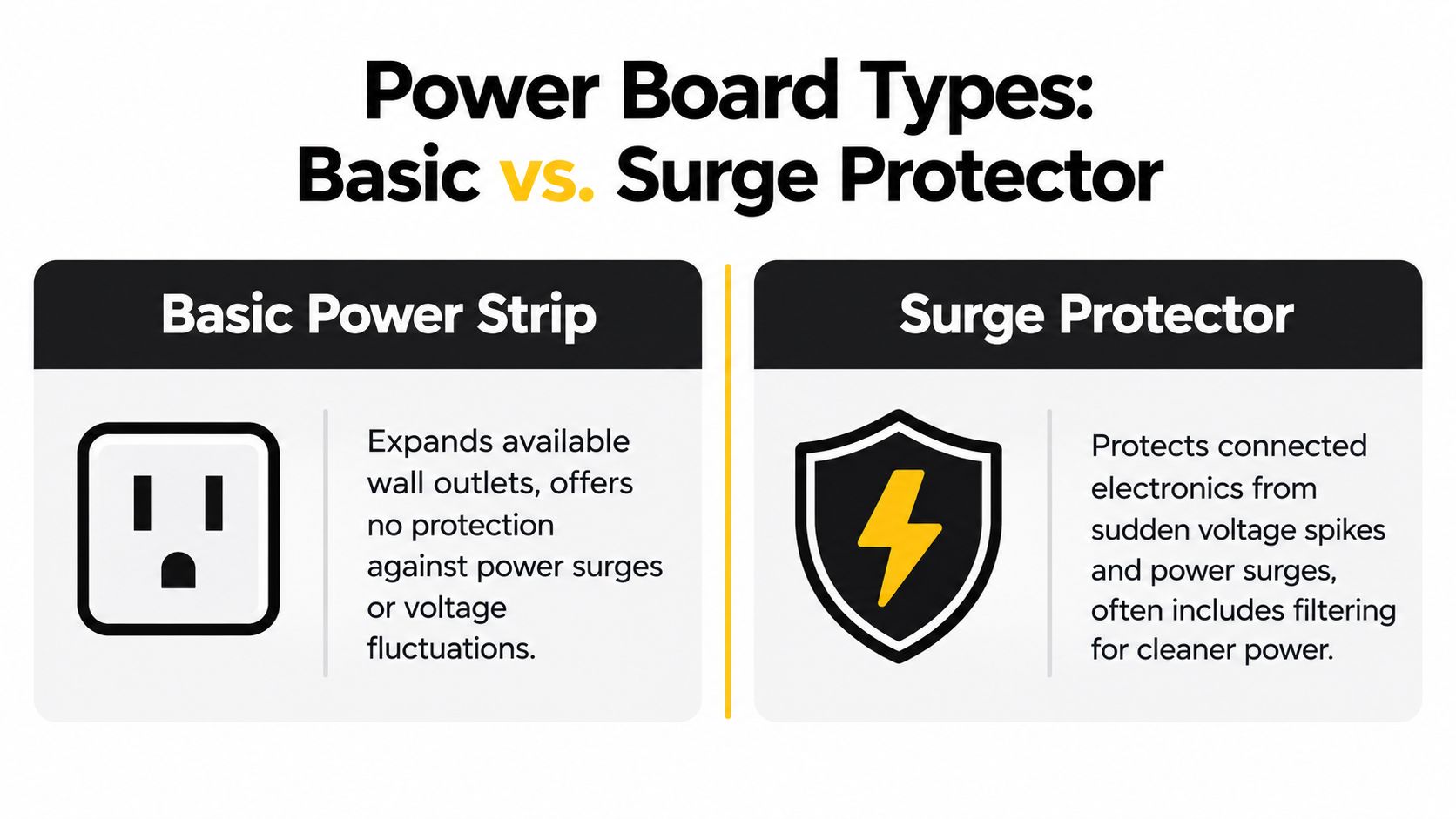
Surge protectors may display a joule rating, which indicates the amount of surge energy the device is designed to absorb over its service life. A higher rating can be relevant for valuable electronics, but it doesn't make the board suitable for high-load heating appliances. Surge protection addresses voltage events, not an overloaded cable or an appliance drawing excessive current.
Boards with individual switches can isolate equipment separately. That's convenient where you want to leave a modem or refrigerator-related device connected while switching off other items. Individual switches can also reduce unnecessary unplugging, but every socket and the overall board still share the same supply path.
Some products include an integrated RCD, also known as a residual current device. An RCD monitors current flow and can disconnect the supply when it detects an imbalance associated with leakage. It's a useful feature, but it doesn't replace the safety switches and circuit protection installed at the main switchboard, nor does it excuse damage or misuse.
For a clearer explanation of how surge protection fits into a home electrical setup, use this guide to surge protection for homes. Choose the board based on the equipment and environment, not solely the number of sockets or the presence of a bright indicator light.
An overloaded power board can heat internally long before the problem becomes obvious. The plug pins, socket contacts, cable and internal connections all carry the combined load, and heat can build where a connection is loose or the appliance demand is high. Plastic may soften, discolour or melt, creating a serious fire risk.
High-wattage appliances deserve particular caution. Portable heaters, kettles, irons, air fryers and similar equipment should generally be connected directly to an appropriate wall outlet rather than sharing a board with several other appliances. A surge-protected board can still overheat if you exceed its rated load.
Use this short checklist before relying on a board:
Practical rule: If a board is warm when it's carrying an ordinary household load, treat that as a warning rather than normal operation.
Buzzing, crackling, a hot smell, intermittent power or a switch that trips repeatedly all warrant immediate attention. Unplug appliances only if you can do so safely and without touching damaged components. If there's smoke, arcing or visible burning, isolate power from a safe point if possible and contact emergency services where necessary.
Queensland records include around 48 accepted workers' compensation claims each year involving a worker contacting electricity and suffering an electrical burn. Transformers and switchboards are identified as the equipment most likely to be involved in these burn incidents in the cited industry discussion, which is why faulty or overloaded electrical equipment shouldn't be dismissed as a minor inconvenience. See the supporting information on switchboard compliance and electrical burn risks.
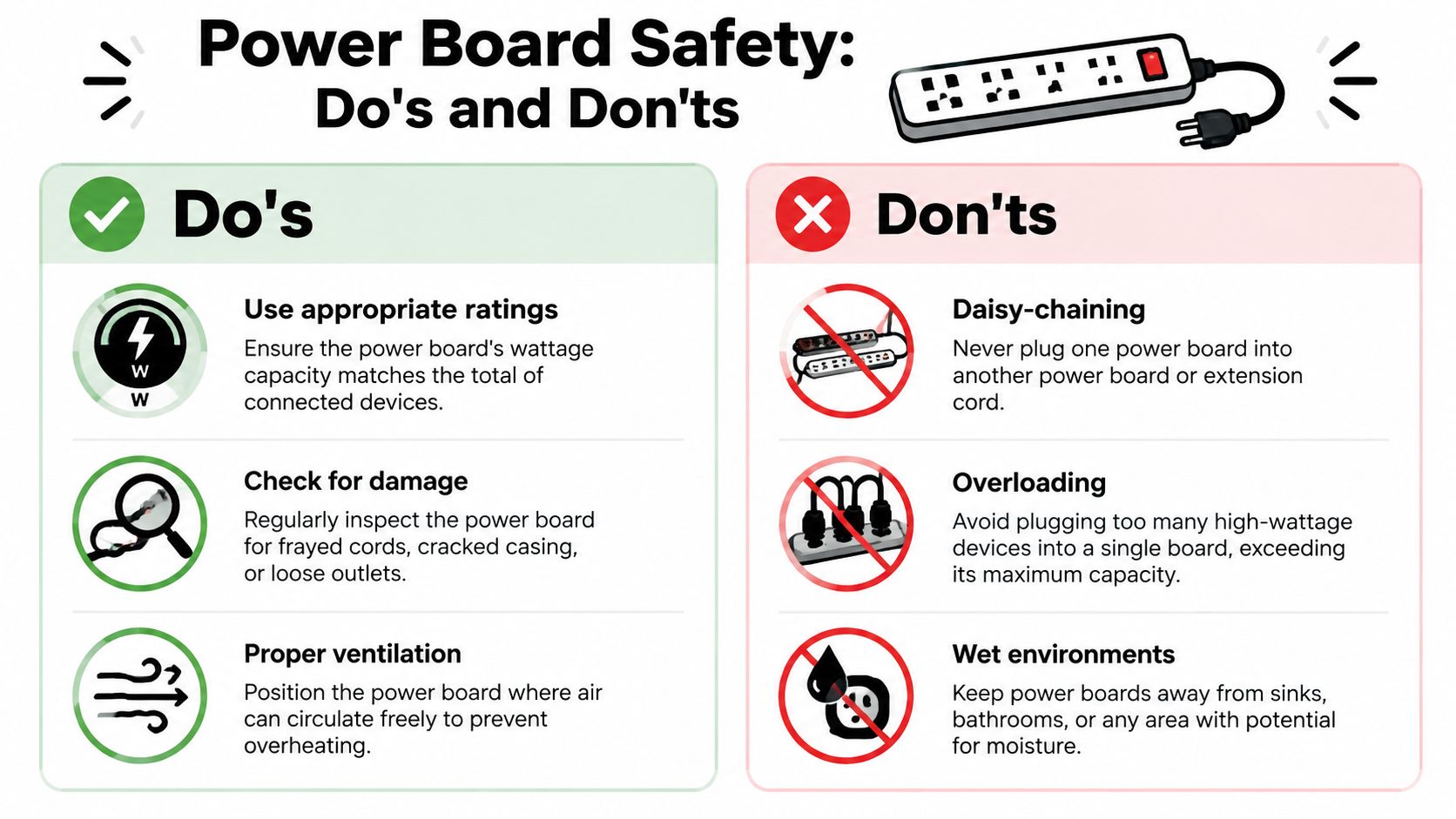
The following video provides a visual reminder of common power board and extension lead hazards. It shouldn't replace advice from a licensed electrician for a fault or suspected installation problem.
Price and socket count are poor substitutes for construction quality. Before buying, inspect the packaging and the product itself. Look for the Regulatory Compliance Mark, or RCM, and confirm that the board is intended for use in Australia. The marking should be identifiable on the product or its packaging, alongside the manufacturer or importer details and electrical ratings.
Start with the label. You should be able to identify the rated voltage, current or power information, model details and any relevant warnings. If the rating is hard to find, incomplete or printed with poor-quality markings, choose another product.
Then examine the physical build:
Australian electrical equipment must comply with relevant standards, including AS/NZS 3000, according to WorkSafe Tasmania's guidance on construction-site switchboards. Construction and demolition sites have additional requirements, including an enclosure with a minimum ingress protection rating of IP23, which limits finger access and resists water spray at angles less than 60 degrees from vertical.
That site requirement doesn't mean every household power board needs an IP23 enclosure. It does show why you should never assume a product is suitable for a wet or exposed location because it has a switch or a heavy-looking case.
For equipment requiring residual current protection, compare the product carefully with this guide to RCD power boards. A board's marketing claims should never override the instructions, rating and intended-use information supplied with the product.

A dead power board doesn't always mean the board has failed, but troubleshooting must stay on the safe side of the line. Don't open the casing, probe internal components or continue testing a unit with burn damage. Household mains equipment can remain hazardous even when the outlets appear inactive.
If the board works after you remove one appliance, don't immediately reconnect everything and hope for the best. The removed appliance may have a fault, or the total load may be too high. Test devices individually only when the board and wall outlet show no signs of damage.
For a wall outlet that remains dead, trips protection or behaves intermittently, follow the safety guidance in this article about a power outlet not working. A licensed electrician should investigate faults involving wiring, switchboard protection, repeated tripping, heat or unexplained loss of power.
Dispose of a damaged board rather than storing it for later use. Taping a split cable or forcing a loose switch back into place isn't a repair. It leaves the underlying electrical fault in service.
A power board that appears in every room may be telling you something about the property. Perhaps the home lacks outlets where occupants need them, the layout changed after a renovation, or new appliances have increased demand. Adding more boards can hide that design problem while creating more connection points, more trailing leads and more opportunities for overloading.
For a homeowner, the sensible response is to assess the installation rather than continually expand temporary power arrangements. An electrician can consider outlet locations, circuit loading, switchboard condition, protective devices, earthing and the needs of planned appliances. That approach is more durable than placing another board behind furniture.
From 1 January 2025, new or altered residential switchboard work in Queensland requires every power and lighting circuit to have safety-switch protection, as outlined in guidance on updated switchboard requirements. An older board might have been compliant when installed, yet need upgrading when it's repaired, relocated or expanded under current requirements.
That distinction matters during renovations. A small alteration can affect the switchboard and protective arrangements, so homeowners shouldn't assume an electrician can add a circuit to an old board without reviewing the wider installation.
Landlords also need a maintenance process that deals with more than whether a tenant's power board still turns on. Check for damaged boards during inspections, keep access to the main switchboard clear, respond to reports of burning smells or repeated tripping, and arrange professional investigation when occupants report electrical symptoms. This practical guide on electrical safety for rental properties can help landlords organise broader safety responsibilities.
Avoid allowing power boards to sit under carpets, behind tightly packed furniture or in damp utility areas. If tenants need several boards to operate ordinary household equipment, treat that pattern as a reason to review the property's electrical layout and capacity.
A power board suits limited, low-demand equipment in a dry, suitable location. Repeatedly adding boards to compensate for too few outlets, an ageing switchboard or a circuit that struggles with ordinary appliances indicates a broader electrical problem.
Arrange professional advice if you notice:
Queensland safety reporting has recorded serious electrical incidents involving switchboards and powerlines, including arc-flash injuries described in Queensland WorkSafe's incident alert. A licensed electrician can determine whether the fault sits with the power board, an appliance or the wider installation. Seeking that assessment protects occupants and helps Brisbane homeowners and landlords address switchboard compliance before a temporary workaround becomes a safety hazard.
DLG Electrical provides Brisbane homeowners and landlords with electrical repairs, switchboard upgrades, safety-switch and surge-protection work, and planned installations that reduce reliance on temporary power boards. Visit DLG Electrical to discuss the symptoms and request an electrical assessment or quote.

Master Electrician with over 30 years of experience. Founded DLG Electrical in 2005 after international project work including electrical installations at Stamford Bridge Stadium, London(Home of Chelsea FC).

Local Electricians that can fix all Electric Hot water Systems.
Motion sensor lights are a versatile addition to any home, offering nu
