83 Jean St, Grange QLD 4051
Mon-Fri 07:30 AM - 04:00 PM - Sat - 8:00 - 12 - Sunday Closed
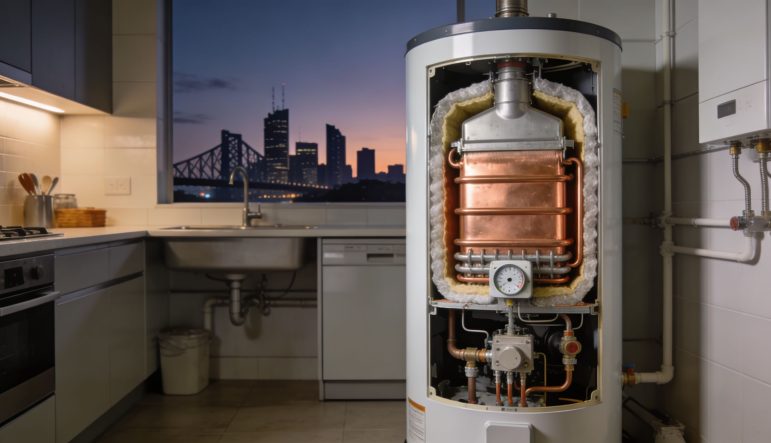
You usually notice your hot water cylinder when it stops doing its job. The shower goes cold halfway through. The water takes forever to warm up. You find a small puddle near the tank and start wondering whether this is a quick repair or the start of an expensive week.
That's normal. Most Brisbane homeowners don't think much about the cylinder until something changes. But it's one of the hardest-working systems in the house. It affects your comfort every day, your power bill every quarter, and, if you're renovating or managing a rental, your compliance obligations as well.
A lot of online advice stays too general. It tells you the names of the different systems, but not what usually goes wrong in older Queensland homes, what's worth repairing, or why a legal installation matters just as much as the unit you buy. This guide focuses on the practical side: how a hot water cylinder works, what type suits Brisbane conditions, how to size one properly, what warning signs to watch for, and when it's time to stop patching an old unit and replace it.
A cold shower at 6:30 in the morning has a way of getting your attention fast. In a lot of Brisbane homes, the first sign of trouble is simple. One person gets a normal shower, the next gets lukewarm water, and by the third person the tank has given up.
That's when many homeowners realise the hot water cylinder isn't just a tank sitting outside or in the laundry. It's part of the home's daily routine, and it has a direct effect on running costs. Water heating accounts for about 23% of a home's total energy use in Australia, making it the second-largest energy expense after heating and cooling, according to the Australian hot water energy use reference cited here.
That figure matters because it changes how you look at the unit. If the cylinder is oversized, poorly insulated, ageing, or struggling to recover during peak use, it can continuously waste energy for years. If it's undersized, your household pays in a different way: disrupted mornings, staggered showers, and constant complaints that there's “never enough hot water”.
Brisbane has plenty of older electric storage systems, especially in long-held family homes, investment properties, and dated renovations. Many still run on off-peak arrangements. Some are fine. Some are hanging on with tired elements, questionable thermostats, ageing valves, and insulation that's nowhere near what a modern system offers.
Practical rule: Treat your hot water cylinder like an energy appliance, not just a plumbing fixture.
A good assessment looks at more than whether the water gets hot. It looks at how quickly the system recovers, whether the tank size matches the household, whether the safety devices are working properly, and whether keeping the old unit still makes financial sense.
Homeowners usually want answers to three things:
That's where local knowledge matters. Brisbane conditions, Queensland rules, and the age of the existing setup all shape the right decision.
Think of a hot water cylinder as a giant insulated thermos with controls and safety devices attached. Its job is straightforward. It stores water, heats it, and tries to keep it hot until you need it.
In an electric storage system, a heating element warms the stored water inside the tank. Insulation around the tank slows heat loss. A thermostat tells the element when to switch on and off. When you open a hot tap, heated water leaves the tank and cold water enters to replace it. Then the system starts reheating again.
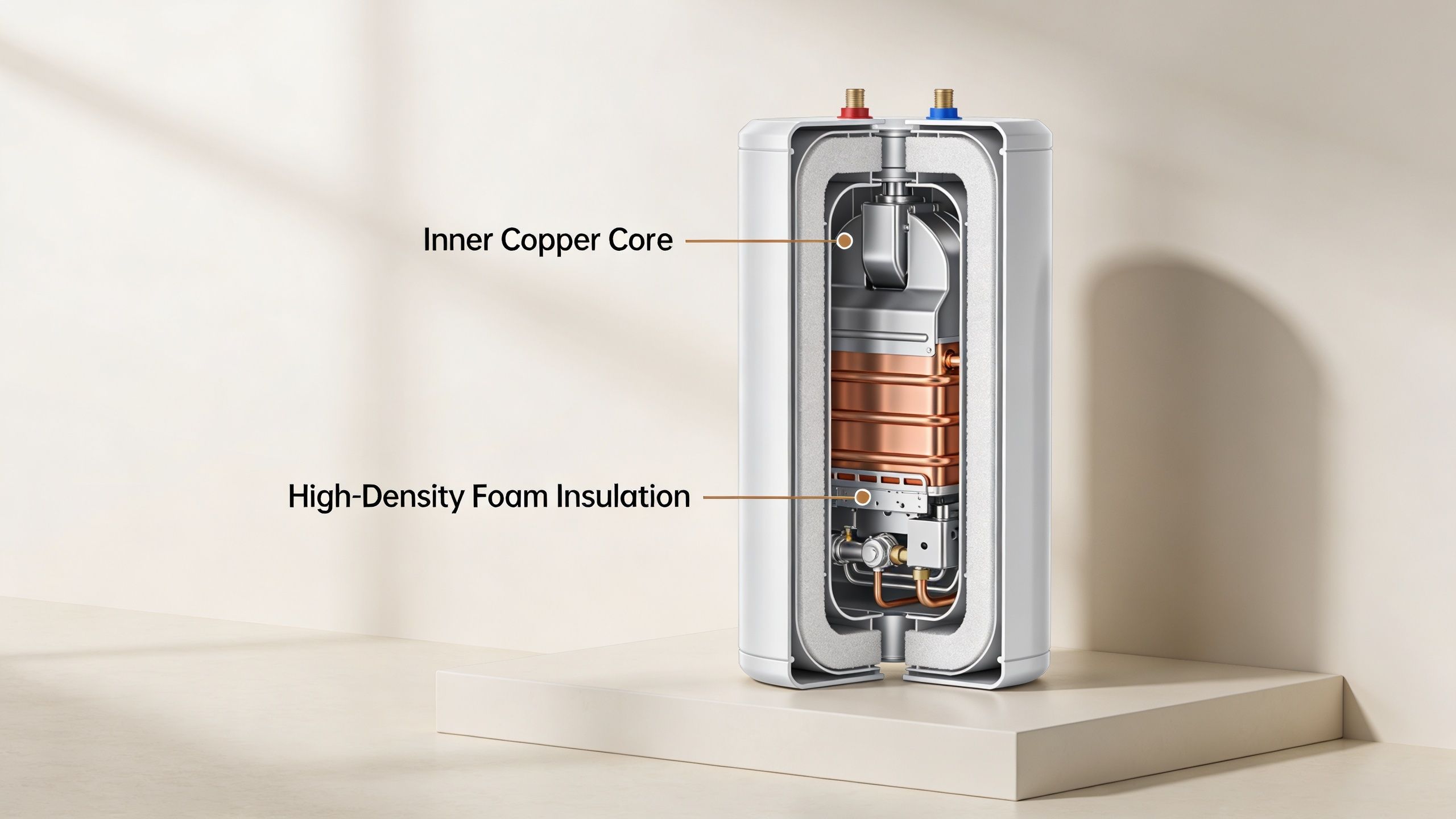
Homeowners don't need to memorise every component, but it helps to know what each part does.
If one of those parts fails, the symptoms change. A failed element can leave you with no hot water. A faulty thermostat can cause water to run too cool or trigger overheating issues. A leaking valve or tank can point to pressure problems, age, or corrosion.
Australian practice has an important safety balance built into it. To prevent the growth of Legionella bacteria, Australian standards require hot water cylinders to store water at a minimum of 60°C. A tempering valve is then used to mix in cold water, delivering safer temperatures of 50°C or less to bathrooms, as outlined in this Australian hot water temperature guidance.
That means the water inside the cylinder is hotter than what should reach bathroom fixtures. The tempering valve is not an optional extra. It's part of making the system both hygienic and safe.
Hot storage temperature and safe delivery temperature are not the same thing. If someone tells you to simply “turn it down” without checking the full setup, that's a warning sign.
Homeowners sometimes get caught out, as the cylinder itself is only part of the system. The electrical supply, thermostat setting, pressure relief arrangement, tempering valve, and discharge setup all need to work together.
A hot water cylinder can look simple from the outside. It isn't simple once safety and compliance enter the picture. That's why anything beyond basic observation should go to a licensed professional.
Brisbane homeowners usually end up choosing between what's familiar and what's cheaper to run long term. That's the key decision. Not which brochure sounds best.
Older homes often already have an electric storage cylinder. It's common, easy to understand, and usually the lowest-friction replacement if the property is already set up for one. But running costs can be higher, especially if the system is old or inefficient.
Gas storage and gas-boosted systems can suit homes with an existing gas supply and households that want quicker recovery. Then there are heat pump systems, which have become a serious option in Brisbane because the climate suits them well and they can lower long-term electricity use compared with older resistance storage units.
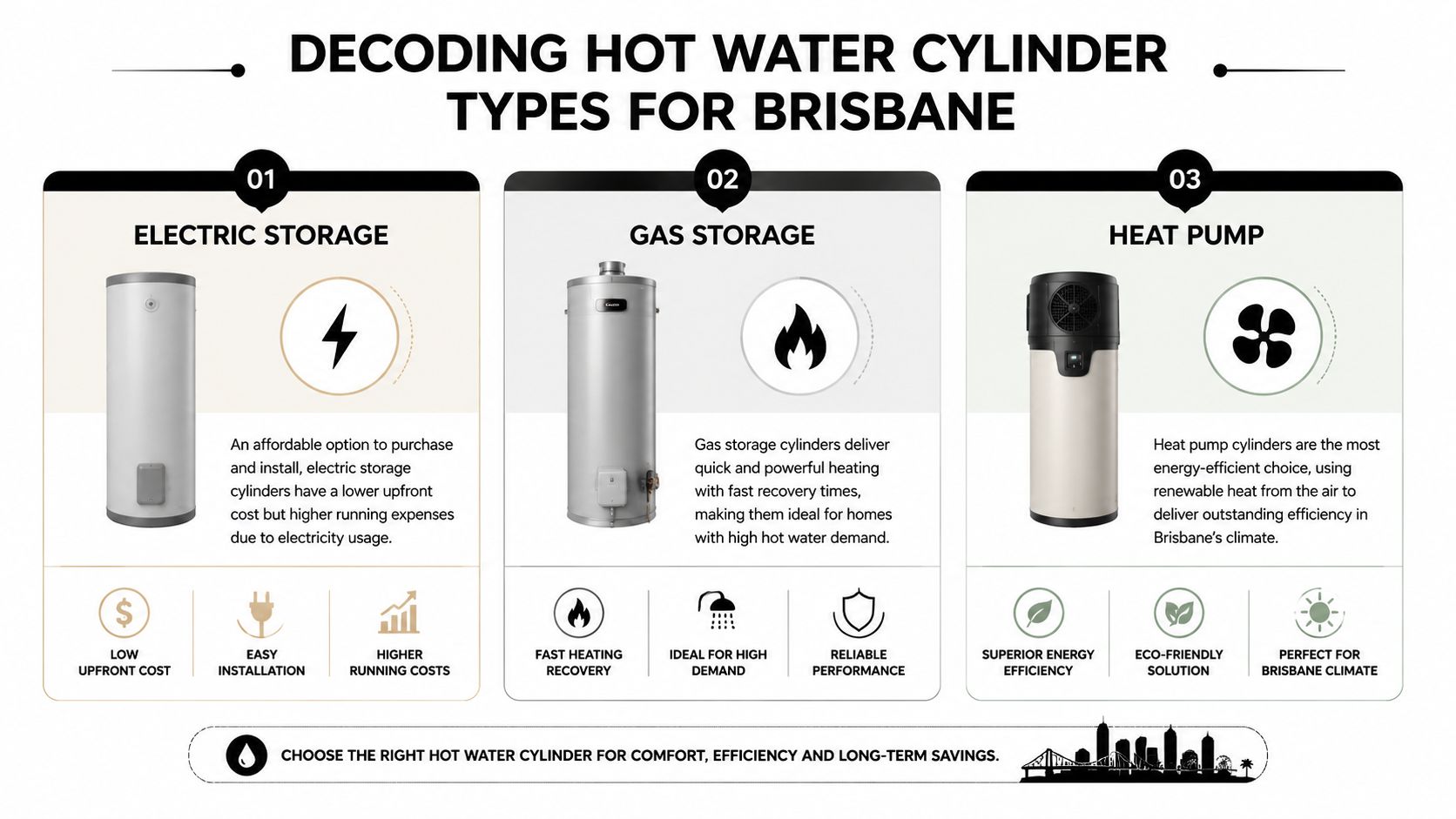
Brisbane's warm climate helps heat pumps perform better than many homeowners expect. That doesn't mean every house should switch immediately. Site layout, noise sensitivity, access, drainage, existing circuits, and the condition of the current setup all matter.
If you're comparing solar-related options as well, this Brisbane solar hot water guide is worth reading alongside any cylinder decision because roof layout and boosting method can change what makes sense.
| System Type | Upfront Cost | Running Cost | Brisbane Suitability | Key Consideration |
|---|---|---|---|---|
| Electric Storage | Usually lower than newer efficient systems | Often higher over time, especially with older units | Common in older Brisbane homes and straightforward where existing wiring and position suit | Simple replacement path, but not always the cheapest to own long term |
| Gas Storage | Varies with site and gas availability | Can suit households wanting stronger recovery | Better where gas is already available and the installation arrangement works | Needs safe gas work, suitable ventilation, and proper ongoing checks |
| Heat Pump | Usually higher upfront than basic electric storage | Often lower long-term electricity use than traditional electric resistance storage | Strong option in Brisbane's climate | Needs the right location, drainage, electrical setup, and correct sizing |
A cheap replacement can become an expensive ownership decision. That's the trap. Many homeowners replace like-for-like because it seems easier, then spend years paying for an inefficient unit they only chose to avoid a bigger bill on installation day.
On the other hand, the most efficient option on paper isn't always the right site fit. A heat pump installed in a poor location, or chosen with the wrong capacity for the household, can disappoint quickly.
The best hot water cylinder for a Brisbane home is the one that matches the way the home uses hot water, the way the property is wired, and the cost you're prepared to carry over time.
Most poor outcomes come from buying on one factor only. Usually that factor is tank price.
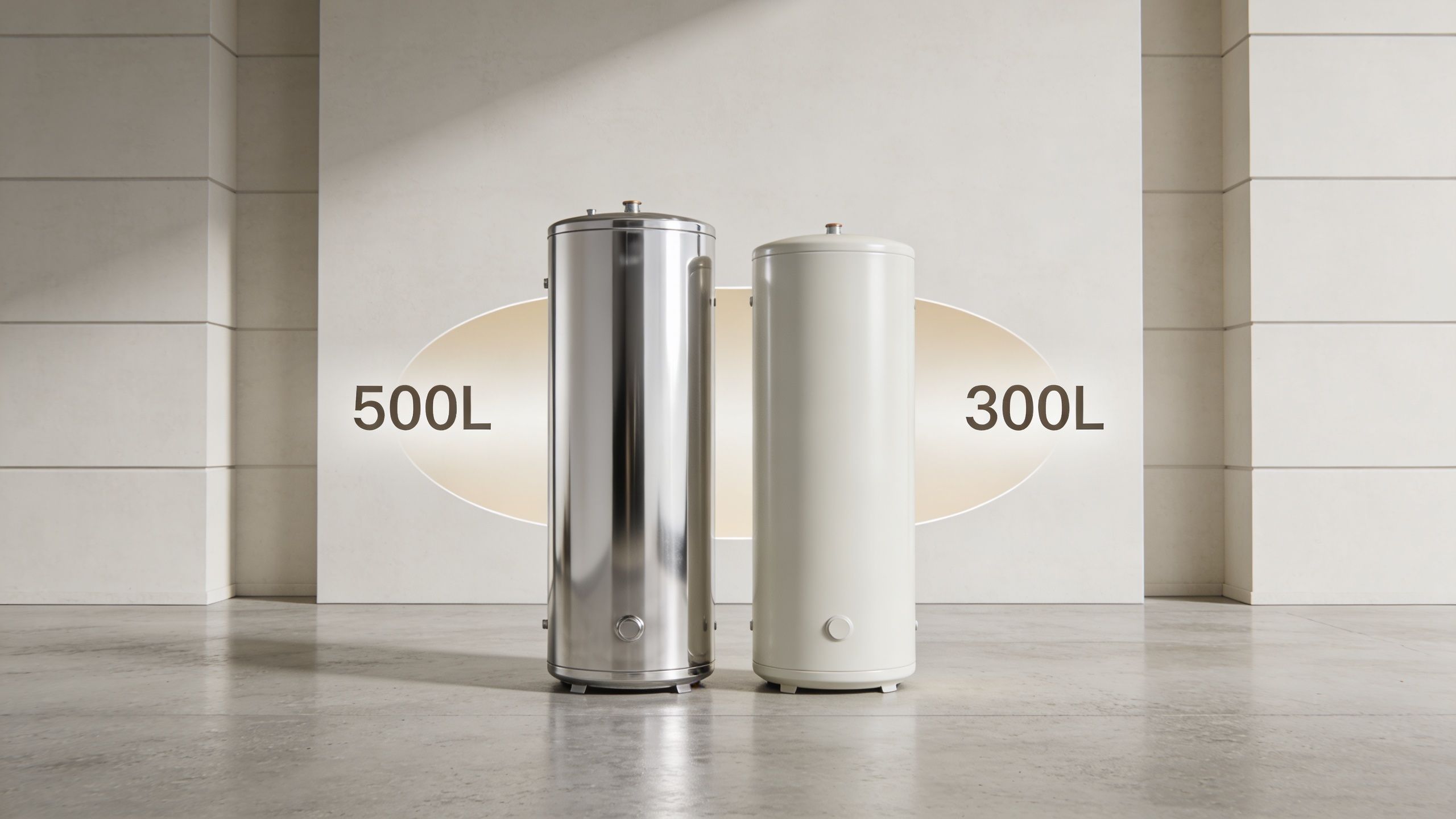
The label on the cylinder tells you the storage volume, but litres alone don't tell you whether the system will keep up with your household. That's where many buying decisions go wrong.
A family can look at a big tank and assume it's enough. Then morning demand hits all at once: one shower, another shower, the dishwasher starts, maybe someone uses hot water in the laundry. Suddenly the cylinder that looked generous on paper runs out far earlier than expected.
Sizing a hot water cylinder by litres alone is misleading. Professional installers focus on first-hour capacity, the amount of hot water a unit can supply in a peak-use hour, which depends on both tank size and its reheating speed, as explained in this water heater sizing guidance.
That means two cylinders with the same nominal volume can perform very differently in a real household. Recovery speed matters. So does the way the household uses hot water.
Ask these questions before selecting a tank:
A practical installer doesn't just ask how many people live there. They ask how the home behaves.
Some patterns show up again and again in Brisbane homes:
| Situation | What goes wrong | Better approach |
|---|---|---|
| Replacing like-for-like without review | The old tank may have been undersized from day one | Match the new cylinder to actual peak demand |
| Choosing the biggest tank available | Bigger isn't automatically better if standby losses and install constraints increase | Balance storage with recovery and usage pattern |
| Ignoring future occupancy changes | Renovations, teenagers, or new tenants can quickly change demand | Size for realistic near-term use, not just today |
| Focusing only on brochure capacity | Real-world delivery depends on reheating performance too | Ask about first-hour performance, not litres alone |
Once the size is sorted, the next question is what the cylinder is made from. This affects lifespan, corrosion resistance, maintenance needs, and price.
Vitreous enamel tanks are common and widely used. They rely heavily on the sacrificial anode to protect the steel body. If the anode is neglected, the tank can deteriorate faster.
Stainless steel cylinders are often chosen for corrosion resistance and durability. They usually cost more upfront, but they can make sense where water conditions, installation location, or long-term ownership favour a tougher tank.
Copper cylinders are less common in many mainstream replacements today, but they still come up in discussions of durability and traditional construction. Suitability depends on the specific system design and the rest of the installation.
If you plan to own the property for years, tank material deserves more attention than most homeowners give it.
For many homeowners, the decision comes down to this: buy the cheapest tank that will fit, or buy the cylinder that gives fewer headaches over time. The first option can work. The second usually works better.
A properly sized unit in a suitable material is far less likely to trigger the common complaint that there's “plenty of hot water, except when we need it”.
Most hot water cylinder faults start with a symptom, not a diagnosis. You notice the result first. No hot water. Warm water only. Strange noises. Water around the base. Then you're left trying to work out whether it's a simple issue or a job that needs urgent attention.
The safest approach is to separate what you can observe from what you should never try to fix yourself.
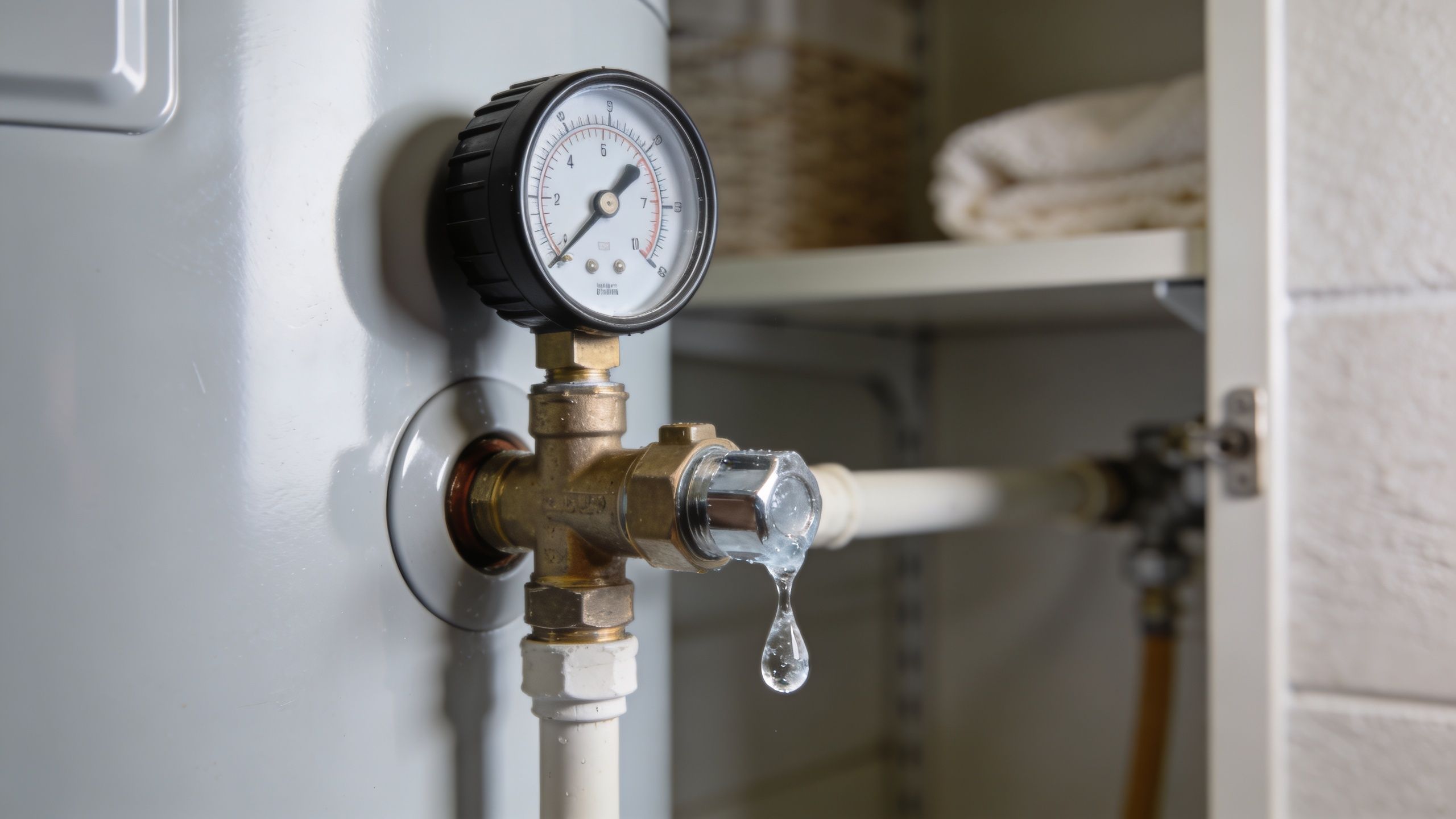
You get into the shower and there's no heat in the water from the first second. In an electric storage system, that often points to a tripped breaker, failed element, thermostat fault, supply issue, or internal wiring problem.
A safe homeowner check is limited to looking at the switchboard for a tripped circuit and checking whether the isolation switch appears off. If the breaker trips again, leave it alone.
Do not remove covers, test wiring, or open electrical compartments on the cylinder.
This one confuses people because the system seems to be working, just badly. Common causes include a failing thermostat, a partially failed element, recovery that can't keep up with demand, or a tempering issue that needs proper diagnosis.
If the problem is repeatable at the same times of day, pay attention to the pattern. A professional can use that information to work out whether the issue is component failure, undersizing, or both.
A cylinder that produces some hot water is not necessarily “mostly fine”. Partial faults often get worse before they become obvious.
Rumbling, popping, or crackling sounds usually mean the unit is unhappy. In storage systems, that often points to sediment or scale buildup affecting heat transfer and making the unit work harder than it should.
Noise doesn't always mean immediate failure, but it does mean the system deserves inspection. Older cylinders that suddenly get louder rarely improve on their own.
A quick visual explainer can help if you're trying to identify the kind of issue you're seeing:
Homeowners require clarity on cylinder leaks. A leak from a fitting, valve, or pipe connection can sometimes be repaired. A leak from the tank body itself usually means the cylinder is at or near the end of its serviceable life.
Watch where the water is coming from:
Call a licensed professional immediately if:
QLD hot water faults often involve both electrical and plumbing considerations. That's why “having a look yourself” can go from harmless to risky very quickly.
Most cylinders don't fail out of nowhere. They usually give a trail of warnings first: slower recovery, inconsistent temperatures, noisy operation, minor leaks, repeated repairs, or rising running costs. The problem is that many homeowners wait until there's no hot water at all before acting.
Preventive maintenance is cheaper than an urgent replacement on a bad day. It also gives you time to decide whether the current unit is worth keeping.
A hot water cylinder benefits from periodic checks of the obvious safety and wear points. Homeowners should keep their role limited to observation unless they've been shown a safe procedure by the right trade.
A useful general read on hot water heater preventive maintenance covers the logic behind regular inspection, valve checks, watching for leaks, and catching small problems before they turn into emergency replacements.
For a local service-focused overview, DLG Electrical also has guidance on servicing a hot water tank that's relevant if your system is already showing signs of decline.
This is the question many articles avoid, but it's usually the one homeowners need answered.
Many guides explain cylinder types, but they fail to help homeowners decide whether to repair an old off-peak cylinder or replace it with an efficient heat pump, a decision with significant long-term financial implications under Australian energy schemes, as discussed in this heat pump versus repair decision reference.
That doesn't mean every older off-peak unit should be ripped out. Some are still worth repairing. Others are money pits.
Repair is often reasonable when:
Replacement usually becomes the better decision when the system has moved beyond a one-off repair and into a pattern.
| Sign | What it usually means |
|---|---|
| Repeated component failures | The system is ageing as a whole, not just in one part |
| Tank body leak | Repair usually isn't the answer |
| Poor recovery for current household needs | The cylinder may be wrongly sized or outdated |
| Rising concern about ownership cost | Efficiency and maintenance are now part of the decision |
| Renovation or rental compliance review | It may be the right time to bring the full setup up to modern expectations |
Spending money on an old cylinder only makes sense if the repair solves the real problem. If the real problem is age, inefficiency, or repeated failure, the repair just delays the replacement.
In Brisbane, heat pumps deserve serious consideration because local conditions suit them well. They aren't right for every site, and the installation details matter, but they often change the long-term ownership equation for households replacing an old electric storage cylinder.
The wrong way to decide is to compare purchase prices only. The better way is to look at the remaining life of the old unit, likely future repairs, current running performance, and whether a newer system would better match the household's actual demand.
A hot water cylinder isn't just a comfort appliance in Queensland. It sits inside a framework of electrical, plumbing, and safety obligations. That matters for owner-occupiers, but it matters even more for landlords, renovators, and property managers.
For landlords and renovators in Queensland, hot water system compliance is a major, often overlooked, risk. The core issue isn't just capacity but meeting plumbing and electrical regulations to prevent leaks, scalding, and potential liability, as highlighted in this Queensland hot water compliance discussion.
A compliant installation is about more than “it works”. It includes the electrical connection, safe isolation, correct temperature control arrangement, proper relief and discharge setup, and the right valve and tray details where required.
For gas-related reading, this Service That Boiler guide on gas safety is a useful general reminder of why combustion appliances and gas-connected hot water systems should never be handled casually. The exact licensing framework differs by location, but the core message is the same. Gas and hot water safety depend on licensed trades and correct installation practice.
Problems usually come from one of three places:
If you're reviewing an installation, replacing a failed unit, or dealing with repeated faults, it helps to start with a service page that reflects the local scope of work involved. This overview of hot water system services in Brisbane is a useful reference point for what's typically involved in repair and replacement work.
Once a hot water issue touches wiring, thermostat control, circuit protection, supply faults, or replacement decisions, the job has moved beyond general homeowner troubleshooting. The same applies if you're a landlord preparing for a new tenancy, a renovator changing layouts, or a homeowner upgrading from an older off-peak unit to a newer system.
The safest hot water cylinder is one that's correctly selected, properly installed, and checked by the right licensed trade. That protects the household, the property, and your legal position.
If your hot water cylinder is failing, leaking, underperforming, or you're weighing up repair versus replacement, DLG Electrical can help you assess the existing setup, identify whether the fault is electrical, and coordinate the right next step for a safe, compliant Brisbane installation.

Master Electrician with over 30 years of experience. Founded DLG Electrical in 2005 after international project work including electrical installations at Stamford Bridge Stadium, London(Home of Chelsea FC).

Local Electricians that can fix all Electric Hot water Systems.
Motion sensor lights are a versatile addition to any home, offering nu
